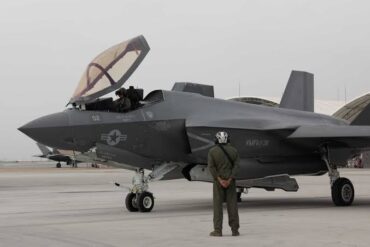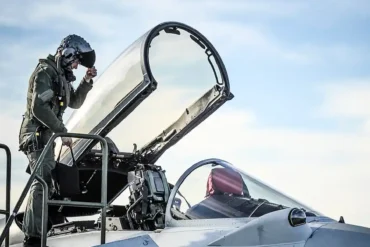
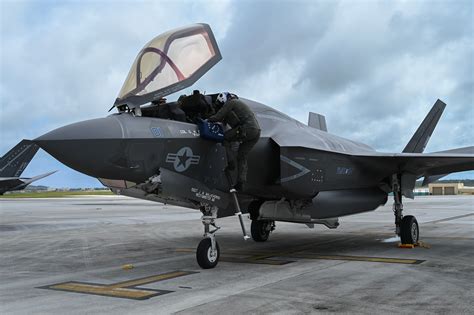
A United States Marine Corps Major who serves as a military aviator occupies one of the most demanding and strategically important positions in the armed forces. By the time an officer reaches the rank of Major (O-4), they are no longer simply focused on flying missions and mastering aircraft systems. They have evolved into senior leaders responsible for squadron operations, personnel management, aviation readiness, maintenance oversight, and mission planning. In 2026, the compensation package for these officers reflects both the extraordinary responsibility they carry and the military’s ongoing effort to retain experienced pilots in an increasingly competitive labor market.
The financial reality of a Marine Corps Major pilot extends far beyond basic military pay. While salary tables provide a useful starting point, the true value of military compensation includes tax-free allowances, aviation incentive pay, deployment-related earnings, retention bonuses, retirement benefits, healthcare coverage, and long-term pension security. When all components are considered together, a Marine aviator at the O-4 level can earn significantly more than many people realize.
For many pilots, the Major years represent the peak balance between operational flying, leadership influence, and financial opportunity. It is also the period when career decisions begin shaping retirement outcomes, future promotion prospects, and post-military opportunities.
Basic Pay for a Marine Corps Major Pilot
The foundation of military compensation remains basic pay. In 2026, a newly promoted Marine Corps Major with approximately ten years of service receives a monthly base salary of $9,420, resulting in an annual income of $113,040 before additional compensation is applied.
This pay reflects the officer’s rank and years of service rather than their specific aviation specialty. Whether assigned to a fighter squadron, helicopter unit, tiltrotor squadron, or transport aircraft community, the basic pay scale remains identical across the Marine Corps.
As officers continue accumulating years of service, their compensation automatically increases. Upon reaching fourteen years of service, the monthly base pay rises to approximately $10,214, creating an annual salary of roughly $122,568.
Unlike many civilian industries where promotions and raises may depend on company performance or market conditions, military pay increases are structured and predictable. This allows Marine pilots to accurately forecast future earnings and retirement calculations years in advance.
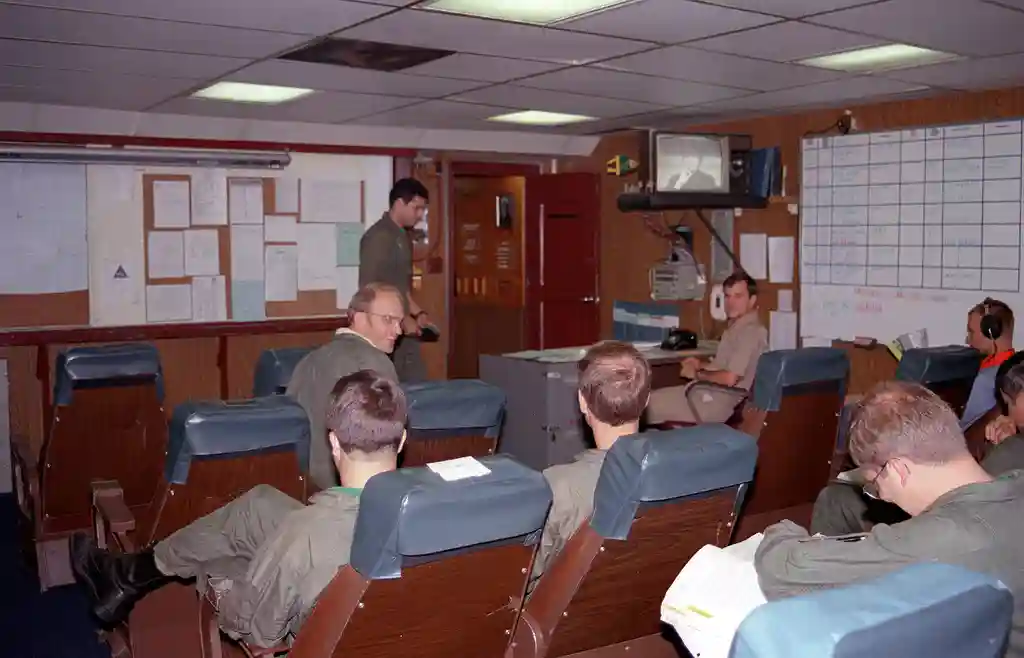
At the Major level, pilots are commonly assigned as Squadron Operations Officers or Executive Officers. These leadership positions involve coordinating flight schedules, managing training programs, supervising maintenance priorities, and ensuring combat readiness for entire aviation units. The increased responsibility associated with these assignments explains why the transition from Captain to Major is considered one of the most significant milestones in a Marine aviator’s career.
Aviation Incentive Pay Adds Significant Income
Military pilots receive specialized compensation known as Aviation Incentive Pay, commonly referred to throughout the aviation community as flight pay.
Unlike base salary, flight pay is tied directly to aviation service rather than rank alone. By the time most Marine aviators reach the rank of Major, they have accumulated sufficient aviation experience to qualify for the maximum aviation incentive rates available under current regulations.
For many O-4 pilots, Aviation Incentive Pay reaches $1,000 per month, generating an additional $12,000 annually on top of basic pay.
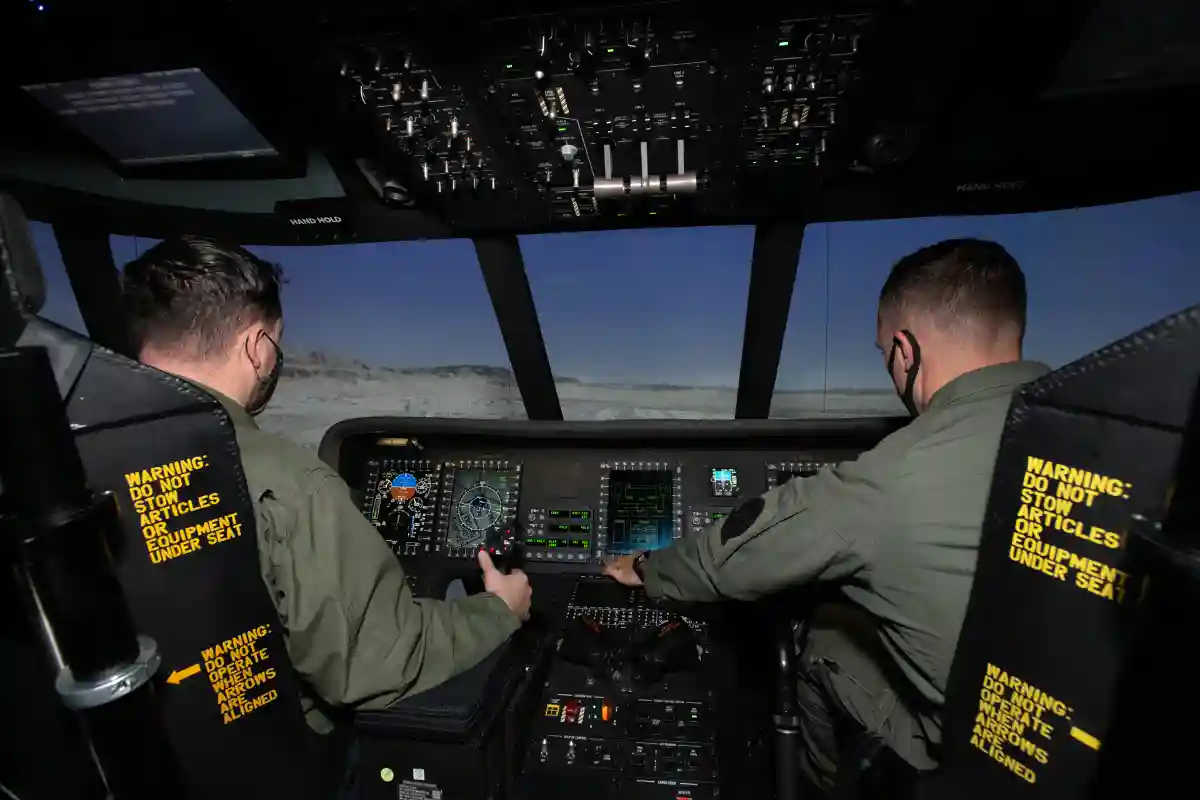
This incentive recognizes the extensive training, recurring qualifications, operational risks, and proficiency requirements associated with military aviation. Marine pilots must continuously maintain flight currencies, complete simulator events, undergo evaluations, and remain mission-ready regardless of weather, deployment schedules, or operational demands.
When combined with base pay, a ten-year Major pilot’s compensation immediately rises from approximately $113,000 to roughly $125,000 annually before considering any allowances or bonus programs.

Tax-Free Housing Allowances Can Dramatically Increase Compensation
One of the most overlooked aspects of military compensation is the Basic Allowance for Housing (BAH).
Unlike taxable salary, BAH is generally exempt from federal income taxes and is designed to offset housing expenses based on duty location, rank, and dependency status. For Marine aviators stationed in expensive aviation hubs, this allowance can become one of the largest components of total compensation.
A Major with dependents assigned to a high-cost installation such as Marine Corps Air Station Miramar may receive approximately $3,500 per month in housing allowance. Over the course of a year, this translates into nearly $42,000 in tax-free value.
Because BAH is untaxed, its effective purchasing power often exceeds what a civilian employee would need to earn through ordinary salary to achieve the same after-tax result.
Housing allowances are particularly valuable in coastal regions where rental and housing costs remain elevated. Locations in California, the Washington, D.C. area, Hawaii, and portions of the East Coast frequently generate some of the highest BAH rates available to military personnel.
Subsistence Allowance Provides Additional Tax-Free Benefits
In addition to housing compensation, officers receive a Basic Allowance for Subsistence (BAS) designed to offset food expenses.
Although smaller than housing allowances, BAS contributes meaningful value to annual earnings. In 2026, officer BAS stands at approximately $328 per month, providing roughly $3,941 annually in tax-free compensation.
Because BAS is generally excluded from taxable income calculations, it further enhances the overall value of military compensation packages.
When combining base pay, flight pay, BAH, and BAS, a Marine Corps Major pilot stationed in a high-cost area can easily achieve total annual compensation exceeding $170,000 per year, even before deployment incentives or retention bonuses enter the equation.
Staff Assignments and Strategic-Level Aviation Roles
As pilots progress through their careers, many transition temporarily from operational squadrons into staff assignments often referred to as B-Billets.
These assignments place aviators within major headquarters organizations where they influence military strategy, force development, operational planning, and joint-service coordination.
Marine aviation Majors frequently serve at organizations such as:
- US Indo-Pacific Command
- US European Command
- Headquarters Marine Corps
- The Pentagon
- Defense Intelligence Agency
- Joint operational staffs
In these positions, officers often function as aviation planners, operational analysts, capability developers, or joint air operations specialists.
Although these jobs may involve less flying than squadron assignments, they are often essential stepping stones toward promotion to Lieutenant Colonel and beyond. Additionally, many headquarters assignments occur in major metropolitan areas where housing allowances remain exceptionally high.
The Aviation Bonus Program: The Biggest Financial Multiplier
Perhaps the most significant earning opportunity available to Marine Corps Major pilots comes through the Aviation Bonus Program (AvB).
Military aviation faces intense competition from commercial airlines, corporate aviation operators, and defense contractors. Experienced military pilots possess highly valuable skills that translate directly into civilian opportunities.
To combat pilot attrition, the Marine Corps offers substantial retention incentives designed to encourage aviators to remain on active duty.
Eligible Majors may receive aviation retention bonuses worth up to $40,000 annually.
Under current program structures, an officer signing a maximum-length agreement can potentially secure as much as $320,000 in bonus compensation over an eight-year commitment period.
These bonuses represent pure additional income and can dramatically alter a pilot’s long-term financial outlook. In some cases, officers receive a substantial portion of the bonus upfront as a lump-sum payment, providing immediate financial flexibility for investments, debt reduction, or family needs.
Deployment Earnings and Combat Zone Compensation
Deployments introduce another layer of financial benefits.
When Marine aviators deploy aboard amphibious ships, conduct overseas operations, or enter designated combat environments, several additional compensation programs may activate simultaneously.
These may include:
- Hazardous Duty Incentive Pay
- Hostile Fire Pay
- Family Separation Allowance
- Hardship Duty Pay
Hazardous duty and hostile fire compensation typically add between $150 and $250 per month, depending on mission conditions and designated threat levels.
Family Separation Allowance contributes an additional $300 monthly when service members are separated from dependents due to operational requirements.
Hardship Duty Pay may provide up to $150 per month for particularly demanding locations or assignments.
Perhaps most valuable of all is the potential application of Combat Zone Tax Exclusion provisions. When serving in designated combat areas, significant portions of military income can become exempt from federal taxation, substantially increasing take-home earnings.
Promotion Pressure and Career Decision Points
For Marine aviators, promotion beyond Major introduces increasingly complex career considerations.
Officers seeking advancement to Lieutenant Colonel must build highly competitive records that typically include successful squadron leadership positions, strong performance evaluations, and influential staff assignments.
Serving as either a Squadron Operations Officer or Executive Officer is widely regarded as a critical milestone for future promotion consideration.
Those selected for Lieutenant Colonel enter a career path focused increasingly on organizational leadership rather than cockpit operations. Administrative responsibilities expand considerably, while actual flight time often decreases.
Future squadron commanders become responsible for maintenance readiness, legal matters, budgeting decisions, personnel management, operational effectiveness, and organizational culture.
Many pilots eventually discover that higher rank often means less flying.
What Happens If a Pilot Does Not Promote?
Not every Major chooses to pursue the command track.
Some aviators intentionally prioritize flying, instruction, simulator operations, and technical expertise rather than competing for senior leadership positions.
Federal promotion laws create an “up-or-out” environment, meaning officers passed over multiple times may eventually face separation requirements. However, the Marine Corps frequently utilizes continuation boards to retain experienced aviators due to ongoing pilot shortages.
As a result, many Majors continue serving valuable operational roles even after promotion opportunities diminish.
These officers often enjoy more predictable schedules, reduced administrative burdens, and increased opportunities to remain directly involved with aviation operations.
Retirement Benefits at the 20-Year Mark
Retirement remains one of the strongest financial advantages of a military aviation career.
A Marine Corps Major reaching twenty years of active-duty service generally becomes eligible for an immediate defined-benefit pension regardless of age.
For many retiring Majors, annual pension income averages approximately $42,000 per year, providing guaranteed lifetime payments supported by federal law.
The exact amount depends heavily on which retirement system applies.
Officers covered under the legacy High-36 Retirement System receive a pension multiplier equal to 2.5% per year of service. After twenty years, this results in a pension worth 50% of the highest average base pay earned during the final years of service.
Those enrolled in the Blended Retirement System (BRS) accrue retirement benefits at 2.0% per year, producing a pension equal to 40% of the highest average base pay after twenty years.
BRS participants also benefit from government contributions to retirement investment accounts and may receive Continuation Pay incentives during their careers.
The Full Financial Picture of a Marine Corps Major Pilot
Looking solely at base salary dramatically understates the true earnings of a Marine Corps Major pilot.
A typical Major with approximately ten years of service may receive:
- $113,040 in base pay
- $12,000 in Aviation Incentive Pay
- $42,000 in housing allowance
- $3,941 in subsistence allowance
Before accounting for bonuses, deployments, tax advantages, or special assignments, total compensation already approaches $171,000 annually.
When retention bonuses, combat pay, tax exclusions, and additional incentives are added, some experienced Marine aviators can realize effective compensation levels that rival or exceed many civilian aviation positions while simultaneously building toward a guaranteed military pension.
In 2026, the Marine Corps Major pilot remains one of the military’s most heavily compensated operational officers—not merely because of flight duties, but because these aviators combine tactical expertise, executive leadership, personnel management, and strategic planning responsibilities into a single profession. Their earnings reflect a career spent balancing operational risk, organizational leadership, and national defense responsibilities at the highest levels of military aviation.