The profession of a Royal Navy pilot sits at the intersection of technical mastery, operational intensity, and elite military responsibility. In 2026, the compensation structure for these pilots reflects not only their skill level but also the demanding environments in which they operate—from pitching aircraft carriers in the North Atlantic to precision missions in global hotspots. What makes this career particularly compelling is how early financial stability combines with long-term earning potential, layered with benefits that significantly enhance overall compensation.
Unlike many civilian aviation careers, Royal Navy pilots begin earning from the very first day of training. This immediate financial engagement signals the seriousness of the role and the investment placed in each recruit. Over time, salary progression becomes closely tied to rank, operational experience, and specialization, creating a structured yet dynamic earning pathway.
Starting Salary for Royal Navy Pilot Trainees in 2026
The entry point into the Fleet Air Arm comes with a starting salary of approximately £34,676 ($45,724), a figure that already surpasses many graduate-level civilian roles. This pay begins during Initial Naval Officer Training and continues as candidates transition into flight training, where they start building the foundational skills required to operate complex aircraft in maritime environments.
This early salary is part of a bespoke aviation pay structure, designed specifically to reflect the high level of responsibility placed on trainee pilots. While still in training, recruits are not merely students—they are active members of the Royal Navy, preparing for real-world operational duties.
The training pipeline itself is rigorous, blending academic instruction with hands-on flying experience. Pilots learn navigation, aircraft systems, and tactical operations while adapting to the unique challenges of naval aviation, such as landing on moving decks and operating in unpredictable weather conditions.

Although this starting pay does not yet include additional flying bonuses, it lays a strong financial foundation. More importantly, it marks the beginning of a career where earnings can rise dramatically with experience and rank.
Sub-Lieutenant Salaries After Qualification
Upon completing flight training, pilots are promoted to Sub-Lieutenant, and their salary increases to at least £41,456 ($54,664) annually. This transition represents a major milestone: pilots are now fully qualified aircrew members, capable of participating in operational missions.
At this stage, responsibilities expand significantly. Sub-Lieutenants begin flying in active squadrons, contributing to missions that may include maritime patrol, anti-submarine warfare, search and rescue, or logistics support. The shift from training to operational deployment introduces real-world complexity, where decisions carry immediate consequences.
Compensation at this level extends beyond base salary. Royal Navy pilots benefit from a comprehensive package that includes:
- Subsidized accommodation, travel, and meals
- Six weeks of paid annual leave
- Free medical and dental care
- Access to fitness and sports facilities
These benefits effectively increase disposable income, making the overall compensation far more competitive than the base salary alone might suggest.
Lieutenant Pay: Early Career Growth and Operational Responsibility
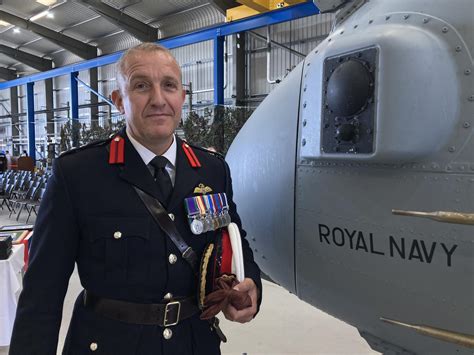
Promotion to Lieutenant brings a further jump in earnings, with salaries reaching approximately £52,815 ($69,642) per year. By this point, pilots are no longer just participants in missions—they are integral to planning and execution.
Lieutenants often take on roles that involve coordinating flight operations, supporting Royal Marines, and executing complex missions such as reconnaissance or strike operations. Their experience allows them to operate more independently, and their input becomes crucial in mission planning.
The financial progression at this stage reflects both increased responsibility and accumulated expertise. In addition to base pay, pilots continue to receive operational allowances and may begin earning Aviation Incentive Pay (AvIP), which rewards active flying duties.
This phase of a pilot’s career is often described as the most operationally intense, combining frequent deployments with skill refinement. It is also where the gap between military and civilian aviation earnings begins to narrow, especially when benefits and allowances are factored in.
Mid-Career Earnings: Aviation Pay and Expanded Roles
Mid-level Royal Navy pilots occupy a unique financial position. While their base salary may align with the standard Lieutenant pay scale, their total earnings often exceed it due to specialized aviation pay structures.
At this stage, pilots can earn up to £94,013 ($123,966) under the aviation pay system, with some reaching beyond £117,500 ($154,936) depending on their role, flying frequency, and deployment intensity.
This significant increase is driven by several factors:
- Operational flying hours, which directly influence Aviation Incentive Pay
- Specialized roles, such as instructor positions or tactical planners
- Deployment conditions, particularly in high-risk or extended missions
Mid-career pilots frequently take on leadership roles within their squadrons. They may mentor junior officers, oversee smaller flight units, or contribute to strategic planning efforts. The combination of leadership and technical expertise makes them indispensable assets within the Fleet Air Arm.
Aviation Incentive Pay and Additional Allowances
One of the defining features of Royal Navy pilot compensation is the layered system of additional payments. Beyond base salary, pilots receive Aviation Incentive Pay (AvIP), which rewards active flying and operational readiness.
This pay is not static—it varies depending on factors such as:
- The type of aircraft operated
- The complexity of missions undertaken
- The level of risk associated with deployments
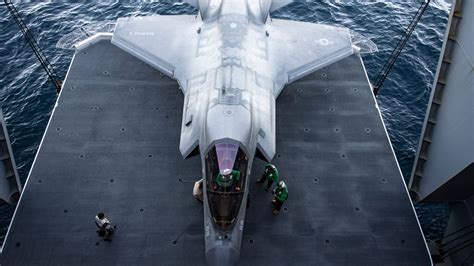
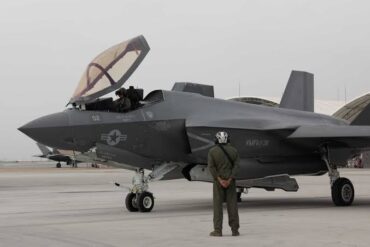
Pilots flying advanced platforms like the F-35B Lightning II or participating in high-risk operations can expect higher allowances. Similarly, extended deployments or missions in challenging environments often come with additional financial incentives.
Other forms of compensation include retention bonuses, qualification-based payments, and hazard pay. Together, these elements create a compensation structure that rewards both skill and commitment, ensuring that experienced pilots are incentivized to remain in service.
Carrier-Based Pilot Salaries and Operational Demands
Operating from an aircraft carrier represents one of the most demanding roles in naval aviation. Pilots must master short takeoffs and vertical landings, often under conditions that would challenge even the most seasoned aviators.
While the base salary for carrier-based pilots aligns with standard aviation pay, the role typically includes additional allowances due to its complexity and risk. These may include:
- Hazardous duty pay
- Deployment bonuses
- Aircraft-specific incentives
Carrier operations require split-second decision-making and exceptional precision. The financial rewards associated with this role reflect not only the technical difficulty but also the strategic importance of carrier-based aviation in modern naval warfare.
Helicopter vs Fixed-Wing Pilot Earnings
Royal Navy pilots operate across two primary categories: helicopters and fixed-wing aircraft. While the nature of their missions differs significantly, pay is not strictly determined by aircraft type.
Helicopter pilots often focus on missions such as search and rescue, anti-submarine warfare, and troop transport. Fixed-wing pilots, on the other hand, are more likely to engage in combat operations, reconnaissance, and strike missions.
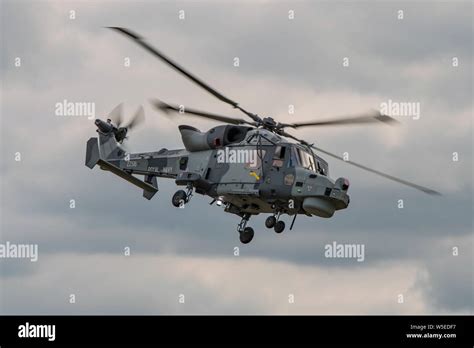
Earnings are influenced more by operational intensity, deployment frequency, and specialization than by the aircraft itself. For example, a helicopter pilot engaged in frequent high-risk missions may earn more than a fixed-wing pilot in a less demanding role.
This flexible pay structure ensures that compensation aligns with actual workload and responsibility, rather than being tied to a rigid classification system.
Senior Officer Salaries: Lieutenant Commander Level
As pilots advance to the rank of Lieutenant Commander, their responsibilities expand beyond flying into leadership and strategic planning. While exact salary figures vary, earnings exceed those of Lieutenants and continue to rise with experience.
At this level, pilots are often involved in:
- Mission planning and coordination
- Training and mentoring junior pilots
- Operational decision-making at a higher level
Although flying hours may decrease, the complexity of their role increases significantly. Compensation reflects this shift, combining base salary with continued eligibility for aviation-related pay and allowances.
Top-Tier Earnings: Commander and Captain Salaries
The highest levels of Royal Navy aviation are occupied by Commanders and Captains, whose salaries can reach up to £122,849 ($161,989) annually. These roles blend operational expertise with executive leadership, overseeing squadrons and contributing to broader military strategy.
At this stage, pilots are responsible for managing personnel, resources, and mission outcomes. Their decisions carry strategic weight, influencing not only individual missions but also broader operational objectives.
Despite the shift toward leadership, many senior officers maintain a connection to flying, ensuring that their decisions remain grounded in practical experience. Their compensation package continues to include full benefits, making this one of the most financially rewarding positions within the Royal Navy.
Total Compensation: Beyond Base Salary
To fully understand Royal Navy pilot earnings, it is essential to look beyond base salary. The total compensation package includes a range of benefits and incentives that significantly enhance overall value.
These include:
- Six weeks of paid annual leave
- Subsidized or fully covered living expenses during deployment
- Comprehensive medical and dental care
- Access to world-class training and education programs
For many pilots, these benefits translate into substantial savings and long-term career advantages. When combined with aviation pay and bonuses, total earnings can comfortably exceed £117,500 for experienced pilots.
A Career That Balances Risk, Reward, and Prestige
The financial trajectory of a Royal Navy pilot in 2026 reflects a carefully structured system designed to reward progression, expertise, and commitment. From a strong starting salary to six-figure earnings at senior levels, the career offers both stability and growth.
Yet the appeal extends beyond money. The opportunity to operate cutting-edge aircraft, travel globally, and participate in missions of national importance adds a layer of prestige that few careers can match. It is a profession where financial rewards align with purpose, creating a compelling path for those willing to meet its demands.
In the end, Royal Navy pilot salaries are not just numbers on a payslip—they are a reflection of skill, responsibility, and the extraordinary environments in which these professionals operate every day.