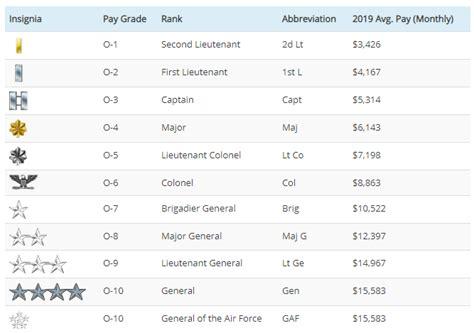
The Royal Canadian Air Force (RCAF) sits at the center of Canada’s national defense architecture, safeguarding one of the largest sovereign airspaces on Earth. In 2026, as Canada continues to modernize its fighter fleet and compete aggressively for aviation talent, the spotlight naturally turns toward one of the most elite roles in uniform: the fighter jet pilot. Compensation is often discussed in headline figures, yet the real story lies beneath the surface—in structured pay tables, aircrew allowances, pension growth, and long-term career value.
Unlike private-sector aviation, where compensation is shaped by market demand and corporate profitability, the Canadian Armed Forces (CAF) publishes transparent pay scales. These scales are tied to rank, years of service, and occupation. For fighter pilots, salary progression follows a clearly defined path that reflects performance, training milestones, and operational responsibility.
In 2026, the official baseline remains the CAF pay tables effective April 1, 2025, with incremental adjustments expected in the upcoming annual revision cycle. Those tables form the foundation of fighter pilot earnings across Canada’s operational squadrons.
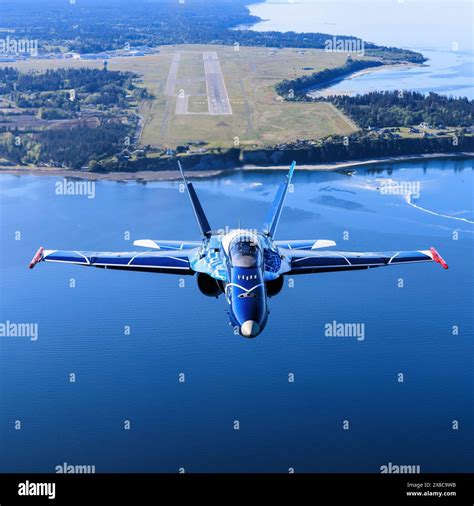
The Royal Canadian Air Force in 2026: Strategic Role and Organizational Scope
The RCAF functions as the air and space component of the Canadian Armed Forces. Its mandate extends from continental air defense under NORAD (North American Aerospace Defense Command) to expeditionary deployments supporting NATO and allied coalitions. Canada’s geographic scale—second only to Russia in total airspace after the United States—creates immense responsibility in aerospace control, Arctic sovereignty patrols, and maritime surveillance.
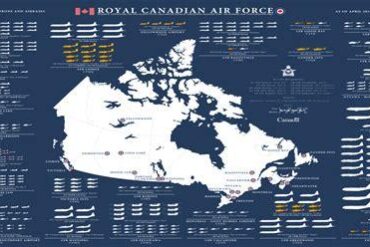
Operationally, the RCAF is structured around headquarters leadership, three principal divisions, the RCAF Warfare Centre, and 15 wings distributed coast to coast. These wings host combat squadrons, training units, search and rescue elements, transport fleets, and surveillance aircraft.
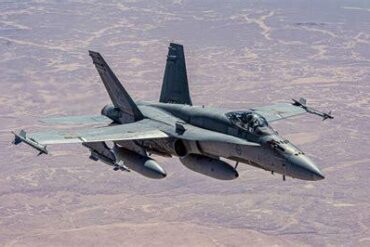
In 2026, modernization efforts remain underway. Legacy aircraft such as the CF-18 Hornet continue to serve while transition planning advances toward next-generation fighter platforms. This modernization cycle affects recruitment, retention, and compensation strategy. Fighter pilots represent a high-investment specialty within this ecosystem, and their compensation reflects both operational intensity and retention priorities.
Pilot Career Streams Within the RCAF
Before analyzing fighter pilot salaries specifically, it is important to understand how pilots are categorized within the RCAF. Not all pilots follow the same path, and early career streaming significantly shapes long-term earnings potential.
After completing basic officer training and primary flight instruction, candidates are streamed into advanced training pipelines:
- Rotary Wing (Helicopter)
- Multi-Engine (Transport and Patrol Aircraft)
- Fast Jet (Fighter Aircraft)
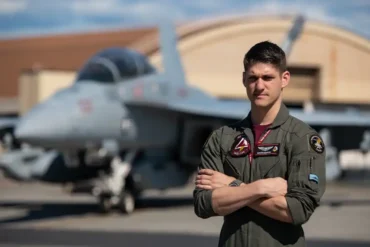
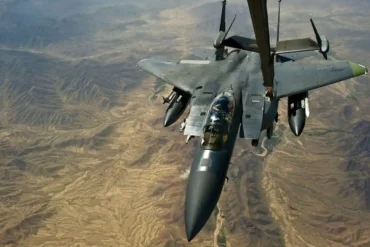
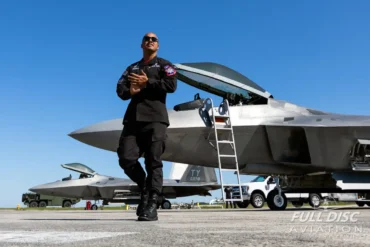
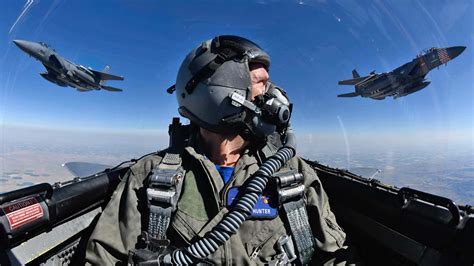
Fast-jet pilots operate high-performance aircraft tasked with air sovereignty, intercept missions, and combat operations. Their training emphasizes advanced tactics, integrated air defense operations, supersonic flight profiles, and weapons systems employment.
Search and Rescue (SAR) pilots form another critical community, responding to distress calls across Canada’s vast terrain, often under extreme environmental conditions. While SAR pilots are highly specialized, fighter pilots are uniquely positioned within the air defense mission, which often places them at the forefront of national security operations.
Junior Fighter Pilot Salary in 2026: From Cadet to Captain
Compensation begins modestly during training and increases significantly upon qualification as operational aircrew.
Initially, aspiring fighter pilots serve as Officer Cadets, Second Lieutenants, or Lieutenants, earning salary under standard officer pay tables. As of April 1, 2025:
- Second Lieutenants earn approximately $5,000 to $9,000 per month, depending on seniority and increment level.
- Lieutenants earn approximately $5,400 to $11,000 per month.
These figures translate to annual base pay ranging roughly from $60,000 to $132,000, depending on progression and time in rank.
The turning point arrives when a pilot earns their wings and transitions to the Pilot occupation pay scale. At the rank of Captain, where most operational fighter pilots initially serve, compensation rises substantially.
Captains on the pilot scale begin at approximately $8,861 per month, with annual increments pushing earnings upward. On an annual basis, this equates to approximately $106,000 to $144,000 in base pay.
In addition to base salary, qualified aircrew typically receive:
- Aircrew Allowance of approximately $600 per month
- Deployment allowances when applicable
- Field and operational pay supplements depending on assignment
The total early-career compensation package can therefore exceed $115,000 to $150,000 annually, particularly when allowances are applied.
Senior Fighter Pilot Compensation: Major and Lieutenant Colonel Pay Scales
As fighter pilots gain operational experience, their responsibilities expand. Many move into roles such as flight leads, weapons instructors, operations officers, and squadron leadership.
At the rank of Major, under the pilot pay scale:
- Monthly base pay begins at approximately $14,644
- Increments increase this to approximately $18,357 per month
This produces annual base compensation ranging between $176,000 and $220,000.
At the rank of Lieutenant Colonel, pay begins around $18,172 per month, rising to approximately $18,990. Annualized, this again sits within the upper range of $218,000 to $228,000, before allowances.
At these senior levels, fighter pilots often balance flight duties with command and administrative leadership. While actual cockpit time may decrease, strategic influence and responsibility increase substantially.
Promotion to Colonel transitions officers back to the standard officer pay table, typically ranging from $15,600 to $17,500 per month, with higher ranks earning correspondingly more.
Additionally, 2026 compensation structures include Military Service Pay, a lump-sum component tied to years of service. This initiative supports retention in a competitive labor market and rewards long-term commitment.
Beyond Base Salary: The Non-Cash Value of RCAF Fighter Pilot Careers
Base pay alone does not fully capture the financial value of serving as a fighter pilot in the RCAF. The non-cash components are substantial and often underappreciated.
Defined-Benefit Pension Plan
Regular Force members participate in a defined-benefit pension plan, which calculates retirement income based on years of pensionable service and salary history. This type of pension guarantees predictable lifetime payments—an increasingly rare benefit in modern employment markets.
For a pilot completing 25 or more years of service, pension income can represent a significant percentage of pre-retirement earnings. When combined with potential post-military aviation careers, lifetime earning potential expands considerably.
Comprehensive Healthcare Coverage
CAF members receive:
- Full medical coverage
- Dental benefits
- Vision care
- Access to specialized military medical facilities
Unlike many civilian roles, healthcare costs do not erode take-home pay through significant premium deductions.
Housing and Mobility Support
Frequent postings are a defining feature of military life. The Canadian Forces Housing Differential (CFHD) helps offset regional housing cost differences across Canada. This is especially relevant in high-cost cities where many fighter squadrons are located.
Paid Leave and Vacation
RCAF fighter pilots receive approximately four to six weeks of paid vacation annually, in addition to statutory holidays and potential post-deployment leave. This exceeds the average private-sector standard.
Education and Career Development
The Regular Officer Training Plan (ROTP) can cover university tuition while providing salary during training. Continuous professional development remains embedded throughout a pilot’s career, from tactical leadership courses to advanced staff colleges.
Comparing Public Perception and Financial Reality
Public perception sometimes inflates or misunderstands fighter pilot compensation. Hollywood portrayals suggest enormous salaries, but reality is more structured and disciplined.
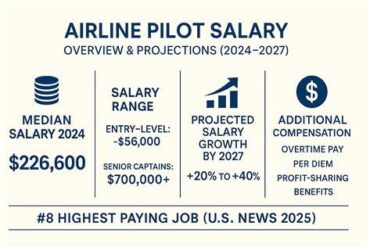
While commercial airline captains at major carriers may exceed $300,000 annually in peak years, RCAF fighter pilots receive compensation balanced between financial reward and public service. The gap reflects differences in business models, profit incentives, and risk structures.
However, when pensions, healthcare, and education benefits are included, the long-term financial picture narrows considerably. Furthermore, RCAF pilots accumulate high-level leadership experience, advanced technical training, and operational credentials that remain valuable in post-service aviation careers.
Retention Pressures and Modernization Impact
In 2026, Canada faces the same retention challenges seen across Western air forces. Commercial airlines aggressively recruit experienced military aviators, offering flexible schedules and potentially higher direct salaries.
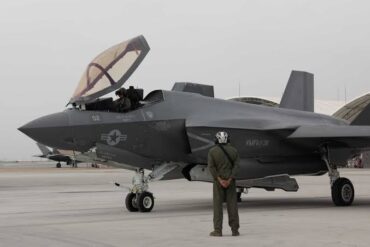
The CAF’s introduction of enhanced pension adjustments and Military Service Pay reflects strategic recognition of this competition. Modernization of fighter fleets also serves as a retention tool. Pilots are more likely to remain when flying cutting-edge aircraft with advanced avionics, stealth capabilities, and modern mission systems.
Investment in new platforms is not merely about hardware. It directly affects morale, operational effectiveness, and the long-term attractiveness of a fighter pilot career.
Long-Term Career Value and Leadership Trajectory
A fighter pilot’s career can follow multiple trajectories. Some serve for a defined period—often long enough to secure pension eligibility—before transitioning to civilian aviation. Others remain for full careers, moving into strategic leadership, training command, or international liaison roles.
Early-career pilots gain intensive operational experience. Mid-career officers shape doctrine and train future generations. Senior officers influence national defense policy and allied coordination.
Compensation increases steadily across these phases, but so does responsibility. High salaries at the Major and Lieutenant Colonel levels reflect both expertise and command accountability.
The Bottom Line: What RCAF Fighter Pilots Earn in 2026
In 2026, Royal Canadian Air Force fighter pilot salaries range broadly depending on rank and service length:
- Junior officers in training: $60,000 to $132,000 annually
- Operational Captains: $106,000 to $144,000 base salary
- Senior Majors and Lieutenant Colonels: $176,000 to over $220,000 annually
When allowances, pension value, healthcare coverage, housing support, and paid leave are included, total compensation significantly exceeds base pay figures alone.
The profession demands intellectual rigor, physical endurance, tactical precision, and long-term commitment. Compensation reflects that reality. It is neither celebrity-level wealth nor modest public-sector pay. It occupies a carefully structured middle ground that balances national service with competitive financial reward.
For those assessing the financial viability of becoming a fighter pilot in Canada, 2026 presents a transparent, well-defined compensation framework. Earnings rise predictably with experience, leadership, and operational responsibility. The long-term value—especially when pension and benefits are factored in—remains substantial.
Fighter pilots stand at the intersection of advanced technology, national sovereignty, and global alliances. Their pay scale tells only part of the story, but it tells it clearly: this is a profession rewarded not just in dollars, but in structured growth, institutional support, and enduring career capital.