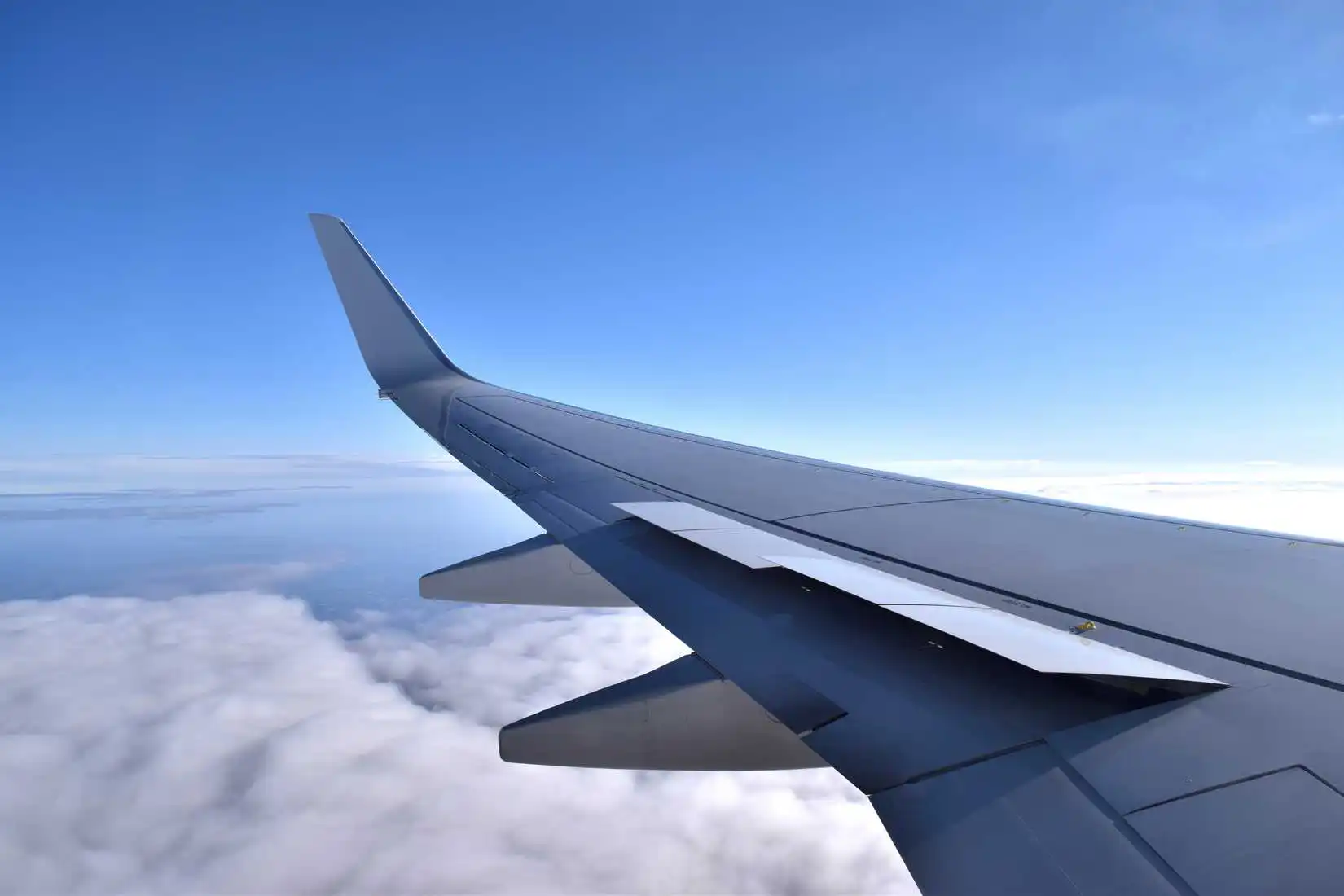
For passengers sitting in the cabin of a long-haul aircraft, the moment when a flight crosses from continental airspace into the open ocean usually feels completely ordinary. The jet continues cruising smoothly at altitude, the cabin lights remain unchanged, and the flight deck activity is invisible. However, behind the cockpit door, this transition represents one of the most carefully managed phases of international flight operations.
Before an aircraft enters oceanic airspace, pilots often reduce or stabilize their speed to meet strict operational requirements. This adjustment is not simply about saving fuel, reducing workload, or following a routine instruction from air traffic control (ATC). Instead, it is a critical part of a global system designed to maintain safe separation between aircraft flying thousands of miles across regions where traditional radar coverage is unavailable.
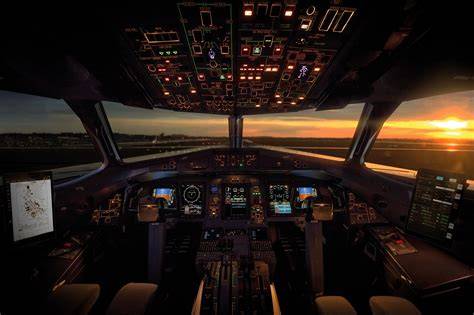
The reason pilots pay such close attention to speed before oceanic entry is that speed becomes a navigation tool. Over land, controllers can watch aircraft movements through radar and issue frequent instructions. Over the ocean, however, aircraft often operate beyond direct radar surveillance. Controllers must rely on predicted positions, scheduled crossing points, and precise speed management to ensure that multiple aircraft can safely share the same airspace.
The transition into oceanic airspace is therefore not simply a geographic boundary. It represents a fundamental change in how aircraft are controlled. The flight crew moves from an environment dominated by constant radar-based monitoring into one where predictable performance and accurate planning become the foundation of safety.
Oceanic Airspace Requires a Different Approach to Aircraft Speed Management
Modern domestic aviation depends heavily on radar surveillance. When an aircraft departs from an airport and climbs through controlled airspace, controllers can continuously monitor its position and adjust traffic flows in real time. If two aircraft are approaching the same area, ATC can provide vectors, altitude changes, or speed instructions within seconds.
Oceanic operations are different. Large sections of the world’s oceans have historically lacked traditional ground-based radar coverage because there are no radar stations available over thousands of square miles of open water. Instead, aircraft positions must be predicted through flight plans, position reports, satellite communication systems, and carefully maintained speed profiles.

For this reason, the Oceanic Entry Point becomes a highly important location. Before reaching this point, pilots must ensure that the aircraft will enter the oceanic system at the correct time and with the correct speed. Even a small timing error can affect separation standards for aircraft ahead and behind on the same route.
A difference of only a few minutes can significantly change an aircraft’s position hundreds of miles later. Since many oceanic crossings involve flights traveling at nearly identical altitudes and following organized tracks, maintaining predictable speed is essential.
The aircraft does not simply need to be in the right place. It needs to arrive at the right place at the right time.
The Role of the Mach Number Technique in Oceanic Flight
The primary reason pilots stabilize speed before oceanic entry is the Mach Number Technique (MNT). This procedure is one of the most important safety systems used in regions where aircraft cannot be continuously monitored by radar.
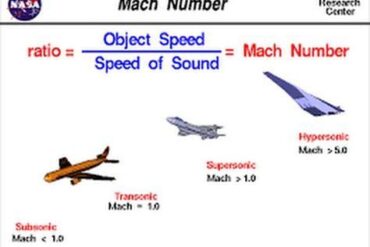
Instead of focusing only on indicated airspeed, oceanic operations typically use Mach numbers because aircraft performance at cruise altitude is strongly influenced by atmospheric conditions. A Mach number represents the aircraft’s speed relative to the speed of sound, allowing controllers and pilots to maintain a consistent reference regardless of altitude and temperature variations.
For example, an aircraft may receive an oceanic clearance requiring it to maintain a specific Mach number throughout the crossing. Once accepted, this speed becomes part of the aircraft’s operational agreement with ATC.
The purpose is straightforward: maintain predictable spacing between aircraft.
If one aircraft accelerates slightly above its assigned Mach number, it gradually reduces the distance from the aircraft ahead. If another aircraft slows unexpectedly, it may affect traffic behind it. Over several hours of flight, even a small speed difference can create significant changes in aircraft separation.
This is why pilots treat oceanic speed assignments differently from normal cruise adjustments. During domestic flights, speed changes are often used as a flexible tool. Controllers may ask an aircraft to increase speed to improve arrival sequencing or slow down to manage airport congestion.
During oceanic operations, speed becomes part of a larger mathematical system.
Why Pilots Adjust Speed Before Reaching the Oceanic Boundary
Many passengers assume pilots reduce speed exactly when the aircraft crosses into oceanic airspace. In reality, the adjustment usually happens earlier.
The flight crew normally begins preparing for the transition well before reaching the entry point. This allows enough time to confirm navigation data, review the oceanic clearance, and ensure the aircraft’s flight management system (FMS) is properly configured.
A sudden speed change at the boundary would be inefficient and could create unnecessary workload. Instead, pilots gradually establish the required cruise profile before entering the controlled oceanic environment.
The cockpit team reviews several factors:
- The assigned oceanic route and waypoints
- The required Mach number
- Current aircraft weight
- Wind conditions
- Fuel predictions
- Communication availability
- Navigation system accuracy
The goal is to ensure that the aircraft arrives at the oceanic entry point already stabilized.
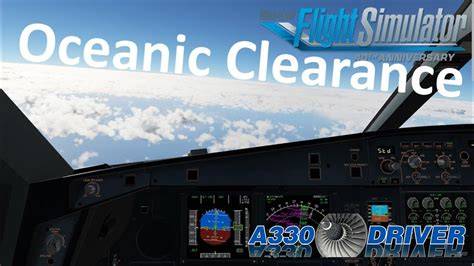
This preparation reflects a major difference between land-based and oceanic aviation. Over land, controllers frequently help manage traffic spacing. Over the ocean, pilots must take greater responsibility for maintaining their planned position and speed.
The flight crew is not simply operating the aircraft. They are actively managing their place inside a carefully coordinated global traffic system.
Flight Management Systems and the Balance Between Efficiency and Safety
Modern airliners are equipped with highly advanced flight management systems that constantly calculate the most efficient speed, altitude, and route based on aircraft weight, weather conditions, and fuel consumption.
Under normal circumstances, the FMS uses a concept known as Cost Index (CI) to balance time and fuel efficiency. A higher speed may reduce flight time but consume more fuel. A lower speed may save fuel but increase travel duration.
During normal cruise operations, airlines rely heavily on these calculations to optimize performance.
However, oceanic operations introduce another priority: predictability.
The aircraft’s most fuel-efficient speed is not always the speed required for safe traffic management. Once an oceanic clearance is issued, the aircraft’s internal economic calculations must operate within the limits established by ATC procedures.
This creates an interesting challenge for pilots. They must constantly balance two objectives:
First, operate the aircraft as efficiently as possible.
Second, maintain the exact speed necessary to preserve separation from other traffic.
A small speed increase might save several minutes on arrival, but it could also affect the carefully planned spacing between aircraft. In oceanic aviation, safety margins take priority over small efficiency gains.
How Cockpit Operations Change During Oceanic Entry
Crossing into oceanic airspace changes the rhythm of flight deck operations. The aircraft may appear to be flying normally, but the pilots’ responsibilities shift significantly.
Before entry, crews verify that all required information is correctly entered into the FMS. Waypoints, routes, oceanic clearances, and speed requirements must match the approved flight plan.
Communication procedures also change. Instead of relying mainly on traditional radio communication and radar instructions, pilots often use systems such as Controller Pilot Data Link Communications (CPDLC) and satellite-based communication systems.
These technologies allow pilots and controllers to exchange digital messages over vast distances. However, communication is not as immediate as it is in radar-covered regions.
Because of this, preparation becomes extremely important.
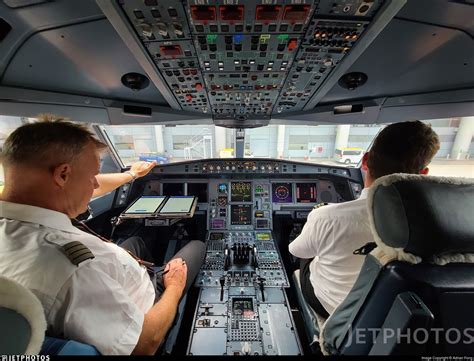
A mistake made before entering oceanic airspace can continue affecting the flight for hours. A wrong waypoint, incorrect speed entry, or misunderstood clearance could place an aircraft outside its expected position.
This is why pilots often describe oceanic entry as a moment when they move from reactive flying to proactive management.
What Happens If an Aircraft Cannot Maintain Assigned Speed?
Although oceanic procedures require strict speed control, aviation must always account for unexpected situations.
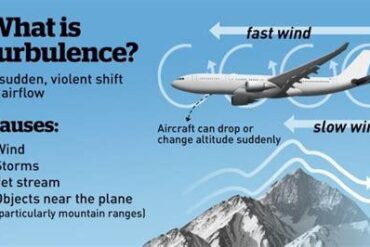
Weather conditions, turbulence, strong jet streams, or technical issues can make it impossible for an aircraft to maintain its assigned Mach number.
When this happens, pilots do not simply change speed without coordination. They must communicate with oceanic controllers and request approval for a revised speed or altitude.
Modern communication systems make this process much easier. Through CPDLC, pilots can send structured requests and receive updated clearances without relying exclusively on voice communication.
Controllers then evaluate the effect of the change on surrounding traffic.
A speed reduction that appears minor from one aircraft’s perspective may affect another aircraft several hundred miles away. Oceanic controllers must consider the entire traffic picture before approving adjustments.
The key principle is early communication.
Pilots are trained to notify ATC as soon as they recognize that a speed deviation may become necessary. This gives controllers more time to adjust traffic flow and maintain safe separation.
How New Technology Is Changing Oceanic Flight Operations
The traditional oceanic system was built around limited surveillance and predictable aircraft behavior. However, modern technology is gradually transforming how aircraft are monitored across oceans.
Satellite-based surveillance systems, including space-based Automatic Dependent Surveillance-Broadcast (ADS-B), are expanding real-time tracking capabilities in remote regions.
This technology allows controllers to monitor aircraft positions more accurately than before. As surveillance improves, aviation authorities may eventually reduce some of the strict limitations associated with traditional oceanic procedures.
However, technology does not eliminate the need for disciplined speed management. Even with advanced tracking, efficient global aviation still depends on predictable aircraft movements.
The future of oceanic flight may involve more flexible routes, dynamic flight paths, and advanced automation. Aircraft could eventually adjust trajectories more freely based on weather and traffic conditions.
For now, the Mach Number Technique remains one of the most important foundations of international air travel.
Why Speed Control Remains One of Aviation’s Hidden Safety Systems
For airline passengers, a slight reduction in cruising speed before crossing an ocean may seem insignificant. It may not be noticeable from the cabin, and it rarely receives attention outside professional aviation circles.
Yet this small adjustment represents decades of operational experience and engineering development.
The speed an aircraft maintains before entering oceanic airspace is connected to a worldwide network of flight plans, communication systems, controllers, and aircraft crews working together.
Every long-haul flight crossing an ocean depends on precision.
The aircraft must arrive at the correct point, at the correct altitude, and at the correct speed. That discipline allows hundreds of aircraft to safely travel through some of the largest and least monitored areas on Earth.
The next time a jet begins a long transoceanic journey, the quiet speed adjustment before entering oceanic airspace is a reminder that modern aviation safety often depends on small decisions made with extraordinary precision.