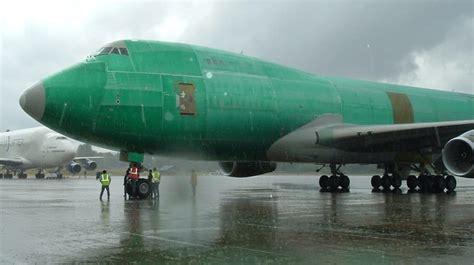
Fresh out of the factory, many new Boeing aircraft wear an unusual look: patches or entire sections of distinctive green coating covering the fuselage, wings, and structural components. To an untrained eye, the plane may appear unfinished, as though it rolled out of the paint shop halfway through the job. In reality, that green color represents one of the most important stages in the aircraft manufacturing process—a carefully engineered protective system designed to guard the airplane long before its airline livery ever appears.
Commercial aircraft live difficult lives. They endure extreme temperature shifts, moisture, UV radiation, high-altitude pressure changes, and even traces of corrosive chemicals carried in the atmosphere. Engineers therefore treat the airframe not merely as a machine, but as a carefully shielded structure that must survive decades of service without losing structural integrity. The green coating applied during manufacturing is one of the earliest defenses in that long battle against environmental damage.
Boeing integrates this coating into a highly regulated manufacturing process that begins during the earliest phases of aircraft assembly. Every stage of production—from raw aluminum structures to final airline branding—follows a strict series of inspections and approvals coordinated with aviation regulators such as the Federal Aviation Administration (FAA). The green coating is not decorative; it is the first shield protecting the aircraft’s skeleton.
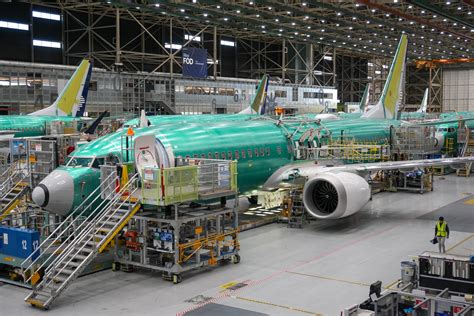
The Purpose of the Green Coating on Boeing Aircraft
The green layer seen on newly built airframes is known in the aerospace world as a primer coating. Primers are base layers applied before final paint, but in aviation they perform far more critical roles than simply helping color stick to metal.
Aircraft structures are primarily built from high-strength aluminum alloys, prized for their combination of light weight and structural durability. Yet aluminum has a vulnerability: when exposed to oxygen and moisture, it gradually forms oxidation and corrosion. While this process may seem slow, even minor corrosion can eventually weaken structural components.
A primer coating forms a chemical barrier between the metal and the outside world. It prevents moisture, oxygen, and contaminants from directly contacting the aluminum surface. Without this barrier, corrosion could begin even before the airplane enters service.
The primer therefore performs three critical roles simultaneously:
- Corrosion protection for structural aluminum components
- Adhesion support that allows the final airline paint to bond properly
- Surface visibility that allows technicians to easily inspect structural areas during assembly
That last function is more clever than it sounds. The green color allows inspectors to instantly see scratches, chips, or exposed metal during production. Bare aluminum appears bright against the green background, making imperfections impossible to miss.
In other words, the green coat acts as both armor and diagnostic tool—a combination that fits perfectly within aviation’s obsessive safety culture.
The Chemistry Behind the Iconic Green Primer
The distinctive shade comes from a compound called zinc chromate, a corrosion-inhibiting chemical widely used in aerospace manufacturing for decades. Zinc chromate interacts with aluminum surfaces in a way that actively resists corrosion, forming a protective chemical layer that prevents oxidation from spreading.
Pure zinc chromate naturally appears yellow, but manufacturers typically mix it with pigments such as lampblack to produce the recognizable green tone seen on aircraft assembly lines. This color adjustment has nothing to do with aesthetics; it simply makes the coating easier for technicians to see and inspect.
The science behind zinc chromate is surprisingly elegant. When corrosion begins on untreated metal, tiny electrochemical reactions start to eat away at the material. Zinc chromate interferes with this reaction by neutralizing corrosion pathways, slowing or stopping the chemical processes that degrade the metal.
This is crucial because aircraft operate in environments that accelerate corrosion. Consider the conditions experienced during a typical commercial flight:
- Temperatures dropping to −50°C at cruising altitude
- High levels of ultraviolet radiation
- Moisture from rain, clouds, and condensation
- Exposure to de-icing chemicals and pollutants
Each of these factors can gradually damage exposed metal. The primer layer ensures that corrosion never gains a foothold.
Why Boeing Applies Primer Early in the Manufacturing Process
Timing is everything in aircraft manufacturing. Boeing applies the primer very early during assembly, long before the airplane receives its final paint scheme.
The reason is simple physics. During construction, the aircraft moves through multiple stages—structural assembly, wiring installation, avionics integration, interior installation, and transportation between facilities. Throughout these steps the aircraft may sit exposed to air, humidity, temperature shifts, and physical handling.
Applying primer early ensures that every aluminum surface remains protected during the entire build cycle.
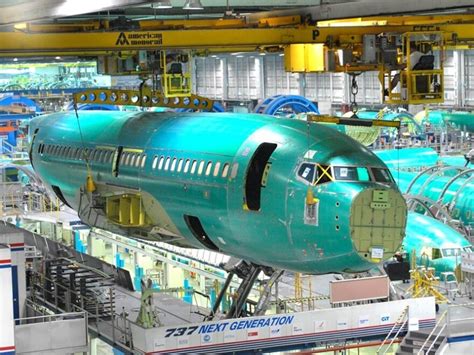
Before the primer is applied, technicians perform meticulous preparation. Surfaces must be perfectly clean to ensure proper adhesion. Even microscopic oils or dust particles can prevent the coating from bonding correctly.
The preparation process generally includes:
- Thorough cleaning to remove oils, dirt, and residues
- Light surface abrasion to help the primer bond to the metal
- Inspection for scratches or structural defects
Once prepared, technicians spray the zinc-chromate primer evenly across exposed structural areas. The coating is then left to cure and harden, forming a stable protective barrier.
This process may sound straightforward, but aircraft paint systems must meet extremely strict standards. Regulators such as the FAA oversee corrosion-control guidelines through documents like Advisory Circular AC 43-4B, which outlines proper corrosion prevention and treatment procedures for aircraft structures.
In aviation, a simple paint layer becomes part of a complex regulatory ecosystem designed to protect passengers decades into the future.
Corrosion: The Quiet Enemy of Aircraft
Corrosion rarely makes headlines, yet it remains one of aviation’s most persistent engineering challenges. Unlike dramatic mechanical failures, corrosion works slowly and invisibly, gradually weakening materials over time.
Aircraft are especially vulnerable because they operate in environments where moisture, temperature variation, and pressure changes constantly interact with metal surfaces.
A small patch of untreated corrosion can eventually expand into something far more dangerous. Structural weakening may occur in fuselage joints, wing structures, or mounting brackets for essential equipment. In extreme cases, corrosion can compromise components responsible for communication systems, navigation equipment, or structural integrity.
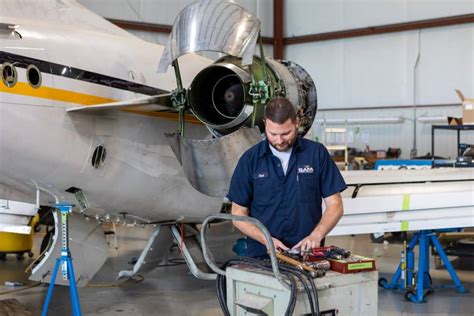
Regulators monitor these risks carefully. When corrosion appears on operational aircraft, aviation authorities sometimes issue airworthiness directives requiring inspections or repairs across entire fleets. One recent example involved corrosion discovered on a satellite communications antenna adapter plate on certain Boeing 777 aircraft models. If such a component failed, it could potentially disrupt communication systems used for navigation and operational coordination.
This is precisely why the protective primer exists. Preventing corrosion from the beginning dramatically reduces the likelihood of expensive repairs—or dangerous structural damage—later in the aircraft’s life.
Why Some Modern Aircraft Skip the Green Coating
A fascinating twist emerges when looking at newer aircraft designs. Not every modern airplane receives the iconic green primer.
Aircraft such as the Boeing 787 Dreamliner rely heavily on carbon-fiber reinforced polymer composites rather than aluminum. These composite materials behave very differently from traditional metals.
Carbon fiber does not corrode in the same way aluminum does. Instead of oxidizing, it remains chemically stable under most environmental conditions. Because of this property, large sections of the 787 airframe do not require the same corrosion-protection primers used on aluminum aircraft.
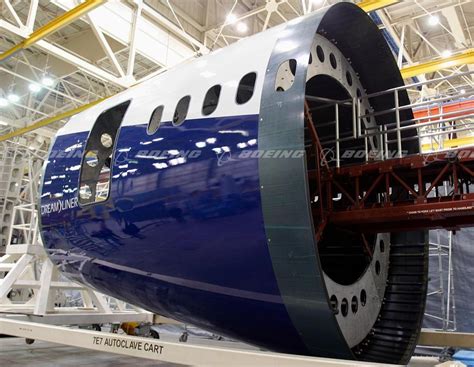
This shift toward composite materials represents one of the biggest technological changes in modern aircraft design. Engineers adopted composites because they offer several advantages:
- Lower structural weight
- Improved fatigue resistance
- Greater aerodynamic flexibility
However, composites introduce their own engineering challenges, including manufacturing complexity and specialized repair procedures. Aviation engineers constantly balance these trade-offs when designing new aircraft.
The famous green primer therefore remains common on aluminum-based airframes such as the Boeing 737, 747, 767, and 777 families, while composite-heavy aircraft may display different surface treatments.
Does the Primer Affect Aircraft Weight or Performance?
At first glance, adding multiple layers of coatings to a massive airliner might seem like an unnecessary burden. After all, aircraft designers obsess over weight reduction—sometimes shaving grams from components to improve fuel efficiency.
Paint systems do add weight, but the amount is surprisingly modest relative to the aircraft’s size.
A complete commercial aircraft paint system—including primer, color layers, and protective clear coat—typically adds 600 to 1,200 pounds to the airplane. For a jetliner weighing hundreds of thousands of pounds at takeoff, this represents a relatively small percentage of total mass.
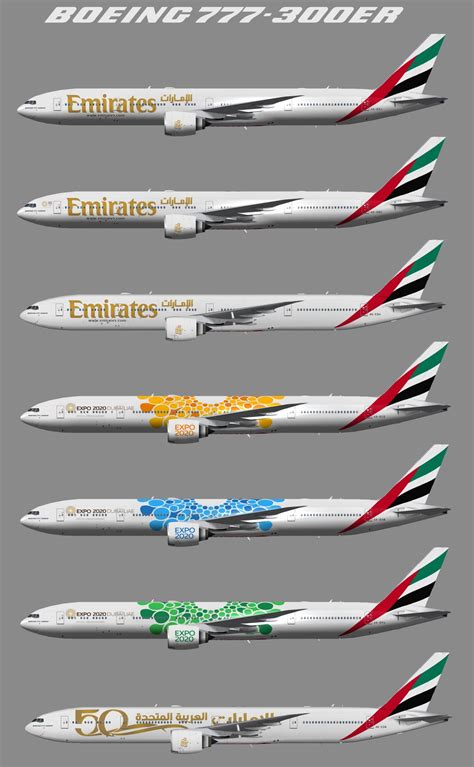
Engineers also apply coatings with precise thickness control. If the paint layer becomes too thick, it could increase drag or add unnecessary weight. Too thin, and corrosion protection may be compromised.
Modern research into aerospace coatings suggests that paint systems can actually contribute to performance improvements. Advanced coatings may:
- Smooth microscopic surface irregularities
- Reduce aerodynamic drag
- Improve durability against environmental exposure
While the green zinc-chromate primer itself primarily serves a protective function, it forms the foundation for these more advanced outer layers.
From Green Airframe to Airline Livery
Once the primer has fully cured and inspections confirm proper coverage, the aircraft proceeds to the next phase: final painting.
Large commercial aircraft are painted in enormous climate-controlled paint hangars where temperature, airflow, and humidity are carefully regulated. Maintaining stable environmental conditions ensures that the paint cures evenly and bonds properly with the primer beneath.
The transformation is dramatic. Over the green primer technicians apply several layers:
First comes a base paint layer, usually white, which reflects sunlight and helps regulate cabin temperatures. White paint also reduces thermal stress on the fuselage compared with darker colors.
Next comes the airline livery—logos, stripes, tail designs, and branding elements that make each aircraft recognizable.
Finally, many aircraft receive a clear protective coat designed to extend paint life and maintain a glossy finish through years of weather exposure.
The entire painting process can take several days, depending on the aircraft’s size and complexity of the airline design.
The Final Inspections Before Delivery
Even after painting is complete, the aircraft is still not ready to carry passengers. Boeing engineers perform a final series of inspections designed to confirm that the aircraft meets every technical and safety requirement.
Technicians examine the entire exterior surface, ensuring that:
- No scratches expose bare metal
- Paint coverage is uniform
- Primer layers remain intact beneath the finish
Any imperfections—even small cosmetic flaws—are repaired before the aircraft progresses further in the delivery process.
Following these inspections, the aircraft undergoes ground testing and flight trials. Engineers verify the performance of avionics systems, hydraulic components, navigation instruments, and cabin systems. Test pilots then conduct evaluation flights to confirm that the aircraft behaves exactly as expected in real flight conditions.
Only after passing all these stages does the aircraft finally leave Boeing’s hands and enter the fleet of its purchasing airline.
By that point, the green primer that once dominated the aircraft’s appearance is completely hidden beneath polished paint and airline branding. Yet that invisible layer continues performing its quiet duty for decades—shielding the aircraft’s structure from corrosion and helping ensure that every flight remains safe, efficient, and reliable. The green coating may disappear from view, but it remains one of the most important guardians of the aircraft’s long operational life.