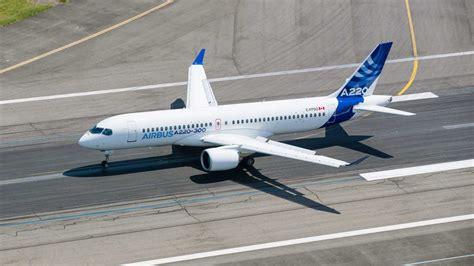
The journey of a brand-new aircraft does not begin with passengers boarding at the gate. Long before travelers step inside the cabin, a newly built Airbus aircraft may have already crossed continents. These early flights—known as ferry flights—often puzzle aviation observers who notice factory-fresh aircraft appearing at multiple airports before entering commercial service. The explanation lies in the complex ecosystem of global manufacturing, regulatory compliance, airline customization, and operational preparation.
Airbus operates one of the most geographically distributed manufacturing networks in the aerospace industry. As a result, an aircraft’s early life involves movement between assembly lines, delivery centers, testing facilities, and airline maintenance bases. Each relocation is deliberate, serving a technical, logistical, or regulatory purpose that ensures the aircraft is fully ready for decades of operation.
Understanding why Airbus aircraft are ferried to different locations before delivery requires examining how modern commercial jets are built, inspected, transferred to airlines, and integrated into airline fleets.
A Global Manufacturing Network That Spans Continents
Airbus does not build aircraft in a single factory. Instead, the company operates a distributed manufacturing ecosystem spanning multiple countries. More than twenty major Airbus production sites contribute components and systems for commercial aircraft.
Large structural components are built in specialized facilities across Europe:
- Broughton, United Kingdom manufactures wings for aircraft such as the Airbus A350 and A320 family.
- Saint-Nazaire and Nantes in France produce fuselage sections and structural components.
- Hamburg, Germany handles fuselage assembly, cabin installations, and narrowbody production.
- Toulouse, France hosts Airbus’ flagship widebody final assembly lines.
Once manufactured, these massive sections must be transported to final assembly lines where the aircraft takes shape.
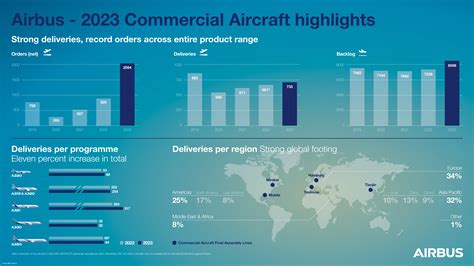
Transporting aircraft wings or fuselage barrels across Europe is not a simple trucking job. Airbus relies on a unique fleet of oversized cargo aircraft called the Airbus BelugaXL. These bulbous transport aircraft were specifically designed to move large airframe sections between production sites.
The BelugaXL can carry entire wings or fuselage sections inside its expanded cargo hold. It acts as the connective tissue of Airbus’ manufacturing network, allowing the company to produce components across multiple countries while maintaining efficient final assembly operations.
When all sections arrive at a final assembly line, the aircraft’s structure is joined together. Systems installation follows, including avionics, hydraulic systems, landing gear, engines, and cabin interiors. This phase typically lasts several weeks before the aircraft is rolled out for testing.
Even after assembly is complete, the aircraft is far from ready for delivery.
Final Assembly Lines: Where the Aircraft Takes Shape
Airbus currently operates 12 final assembly lines across five global locations. Each site specializes in particular aircraft families and serves different airline markets.
Key Airbus assembly hubs include:
- Toulouse, France – Primary assembly location for widebody aircraft such as the A350.
- Hamburg, Germany – Major production center for the A320neo family.
- Mobile, Alabama (USA) – Assembly site for A220 and A320 aircraft serving North American customers.
- Tianjin, China – Assembly line focused on A320-family aircraft for Asian operators.
- Mirabel, Canada – Main assembly location for the Airbus A220.
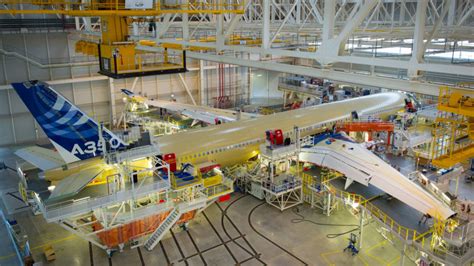
Because Airbus builds aircraft in multiple regions, the delivery process often involves moving aircraft between sites depending on where final checks, delivery ceremonies, or customer logistics occur.
For example, a narrowbody aircraft assembled in Hamburg might be ferried to Toulouse for delivery services or additional testing. Alternatively, aircraft assembled in Mobile may fly to another Airbus facility for specialized inspections before the airline accepts ownership.
These movements are routine parts of a global aerospace manufacturing system.
Pre-Delivery Inspections: The Critical Quality Gate
Before an aircraft is formally handed over to an airline, it undergoes a rigorous pre-delivery inspection process. This phase ensures the aircraft complies with both regulatory requirements and the specific contractual configuration ordered by the airline.
Pre-delivery inspections typically last four to five days and involve joint teams from Airbus and the customer airline.
Airline technical representatives carefully examine the aircraft’s systems and configuration. Every component is verified against the airline’s purchase contract. Engineers check avionics software, flight control systems, engine performance, electrical systems, and hydraulic functionality.
At the same time, the airline inspects the cabin layout in detail. Seating arrangements, overhead bins, galley equipment, lavatories, and inflight entertainment systems are checked against the airline’s specifications.
Even minor details receive attention. Paint quality, interior finishes, and branding elements are scrutinized. If anything deviates from the agreed specification, Airbus technicians address the issue before delivery can proceed.
These inspections ensure the aircraft is exactly what the airline ordered—not merely mechanically functional.
Test Flights That Validate Real-World Performance
Aircraft are thoroughly tested during development, but additional final acceptance test flights occur before delivery.
These flights confirm that all aircraft systems operate correctly under real flight conditions. Engineers monitor parameters such as:
- Engine thrust performance
- Flight control responsiveness
- Navigation and avionics systems
- Hydraulic and electrical systems
- Environmental controls and pressurization
Airline representatives often participate in these flights to verify contractual performance guarantees.
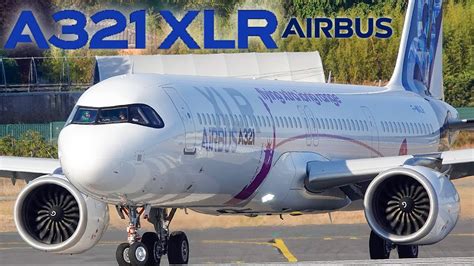
Data collected during these flights confirms that the aircraft meets both regulatory certification standards and the airline’s operational expectations.
Once the tests are completed successfully, the aircraft receives its certificate of airworthiness, a regulatory document confirming it is safe for flight.
Only after this certification step can Airbus proceed with the official handover to the airline.
The Official Delivery: When Ownership Changes Hands
Delivery day marks the formal transfer of the aircraft from manufacturer to airline. This process occurs at dedicated Airbus delivery centers, where legal, operational, and financial procedures are completed.
Documentation finalized during delivery includes:
- Transfer of aircraft ownership
- Registration under the airline’s national aviation authority
- Insurance and operational documentation
- Acceptance certificates signed by both parties
Airlines typically send a delegation of pilots, engineers, and executives to attend the event.
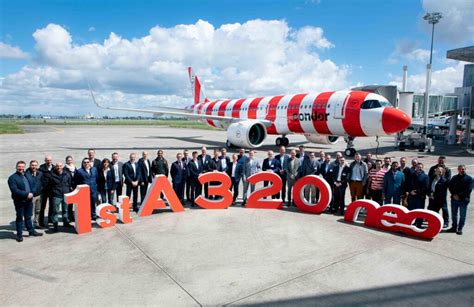
Delivery ceremonies sometimes include commemorative photos or special liveries, especially when the aircraft represents a milestone—such as the airline’s first A350 or its 100th Airbus aircraft.
From a legal standpoint, the aircraft now belongs to the airline. Yet the aircraft usually does not begin carrying passengers immediately.
Instead, it often departs on a ferry flight to the airline’s operational base.
Ferry Flights: Moving Aircraft Without Passengers
A ferry flight is a non-revenue flight conducted to reposition an aircraft from one location to another. Only essential crew members are onboard, and no passengers or cargo are carried.
These flights serve several purposes:
- Moving aircraft from delivery centers to airline bases
- Positioning aircraft for maintenance or customization
- Allowing crews to gain operational familiarity with the aircraft
For European airlines receiving aircraft from Toulouse or Hamburg, the ferry flight might last only a few hours.
For airlines based in Asia, North America, or the Middle East, the ferry flight can become a long intercontinental journey.
A newly delivered Airbus A350 destined for Asia might travel thousands of miles with intermediate fuel stops before reaching its airline’s primary hub.
These flights offer airline crews valuable hands-on experience with the aircraft before commercial operations begin.
Airline Induction: Integrating the Aircraft Into the Fleet
After arriving at the airline’s home base, the aircraft enters a stage known as fleet induction.
Induction refers to the process of integrating the new aircraft into the airline’s operational ecosystem. Even though Airbus delivered the aircraft fully functional, airlines still perform additional preparation before introducing it into passenger service.
Maintenance teams register the aircraft within internal fleet management systems and maintenance tracking programs. Spare parts inventories, maintenance schedules, and software monitoring systems must be aligned with the airline’s existing procedures.
This step ensures that the aircraft can be maintained and operated seamlessly alongside the airline’s existing fleet.
For airlines introducing a new aircraft type, this phase can be especially extensive because new procedures, maintenance tools, and spare parts logistics must be established.
Customization After Delivery
Although Airbus builds aircraft according to airline specifications, some modifications are still completed after delivery.
Airlines often install additional equipment or branding elements at their own maintenance facilities. These changes can include onboard connectivity systems, upgraded entertainment platforms, or proprietary cabin features.
Examples of post-delivery customization include:
- Installing high-speed satellite WiFi systems
- Adding airline-specific cabin branding or lighting schemes
- Integrating proprietary onboard software systems
- Adjusting seating or galley configurations

Completing these modifications at airline facilities ensures compatibility with existing engineering practices and simplifies long-term maintenance.
Once customization is finished, the aircraft moves closer to entering active service.
Crew Familiarization and Operational Readiness
Pilots and cabin crew must become familiar with the aircraft configuration before it carries passengers.
Pilot training generally occurs in advanced full-flight simulators, where crews practice emergency procedures, systems management, and operational workflows.
However, real aircraft operations provide additional experience.
Some airlines conduct empty familiarization flights using the new aircraft. These flights allow pilots, cabin crew, and ground staff to rehearse operational procedures without passengers onboard.
Cabin crew also train on the specific layout of the aircraft, learning the locations of safety equipment, emergency exits, and service areas.
Operational readiness extends beyond the crew. Ground handling teams, maintenance engineers, and dispatchers must also become familiar with the aircraft’s systems and servicing requirements.
Only after these preparations are complete does the aircraft become fully operational.
Why Aircraft May Travel Thousands of Miles Before First Service
By the time a brand-new Airbus aircraft carries its first passengers, it may already have flown several thousand miles. This early journey reflects the many steps required to transform a freshly assembled aircraft into a fully operational commercial airliner.
Several factors contribute to these early flights:
- Movement between manufacturing sites and delivery centers
- Acceptance test flights verifying aircraft performance
- Delivery ferry flights to airline hubs
- Crew training or familiarization flights
- Positioning for customization or maintenance
These flights form a carefully orchestrated sequence that ensures the aircraft meets the highest safety and operational standards.
The Quiet Journey Before Passengers Arrive
Commercial aviation places extraordinary emphasis on reliability. A passenger stepping onto a brand-new aircraft expects it to perform flawlessly, even though the aircraft may have left the factory only days earlier.
Behind that smooth experience lies an intricate logistical and engineering process.
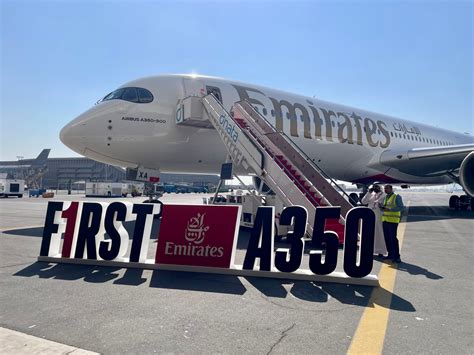
The ferry flights that aviation enthusiasts often notice on flight tracking websites are simply visible pieces of a larger system. They reflect Airbus’ global manufacturing network, the airline’s operational preparation, and the aviation industry’s uncompromising safety culture.
By the time a new Airbus aircraft begins its first scheduled flight, it has already completed an invisible journey across factories, inspection lines, delivery centers, and airline bases. Those early flights ensure the aircraft is fully prepared for the decades of service that follow—quietly laying the groundwork for millions of passengers who will eventually travel inside it.