Modern airline fleet announcements often sound remarkably similar. Carriers speak of long-term growth, network expansion, fleet modernization, and strategic investment. When an airline commits billions of dollars to hundreds of aircraft that may not arrive for a decade, those explanations seem reasonable enough.
Yet behind the carefully crafted press releases lies a more urgent reality. Airlines are no longer simply buying airplanes. They are buying access to future production capacity. In today’s aviation market, securing a delivery slot from Boeing or Airbus has become almost as valuable as acquiring the aircraft itself.
This shift has transformed how airlines approach fleet planning. Carriers increasingly place orders for aircraft they may not immediately need, lock in options for jets they may never take, and commit capital years before finalizing how those airplanes will actually be deployed. What appears on the surface to be aggressive expansion is often something far more practical: a race to secure a position in an extraordinarily long queue.
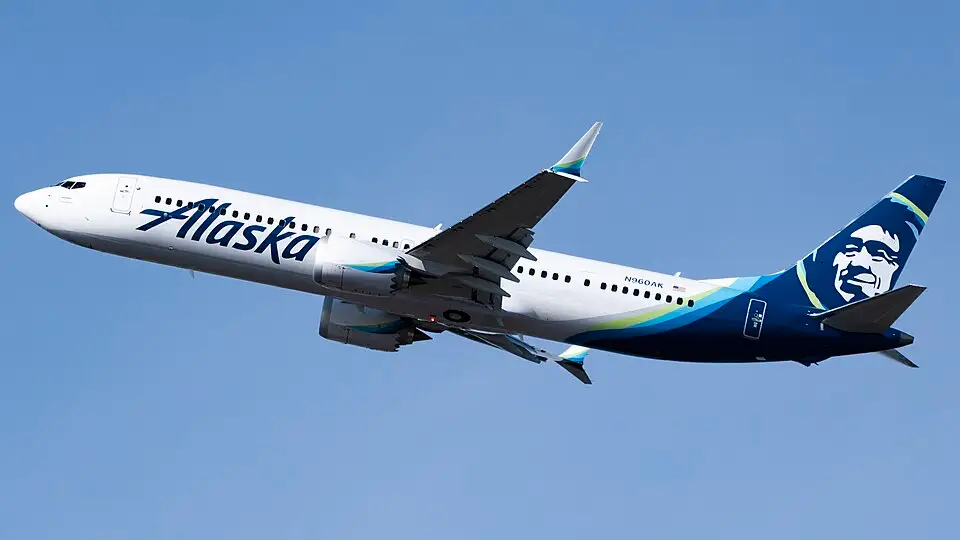
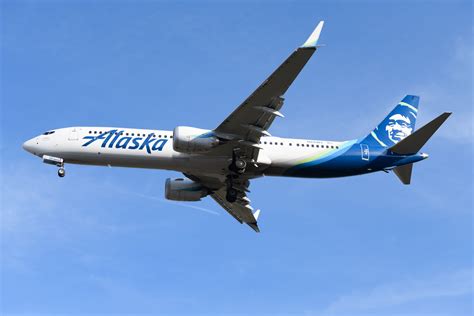
The recent order placed by Alaska Airlines provides a perfect illustration of this new reality. In January, the carrier announced a landmark agreement for 105 Boeing 737-10 aircraft alongside five Boeing 787 widebodies. The order represented the largest aircraft purchase in the airline’s history. Hidden within the announcement, however, was perhaps the most revealing statement. Alaska noted that the deal would secure “critical delivery slots” and provide flexibility to adjust aircraft types later if necessary.
Those words reveal a fundamental truth about modern aviation. Airlines are not necessarily purchasing specific aircraft for specific routes years in advance. Instead, they are securing future opportunities before those opportunities disappear.
After all, in a market where aircraft manufacturers face unprecedented backlogs, waiting until demand materializes may mean waiting another decade for the planes required to meet it.
The result is an industry increasingly focused on reservation rather than immediate necessity.
By the time many aircraft ordered today finally enter service, the aviation landscape may look completely different.
The Era of Decade-Long Aircraft Wait Times
The global commercial aviation industry is currently facing one of the most severe production bottlenecks in its history.
Combined order books at Boeing and Airbus now exceed 17,000 aircraft, a staggering figure that represents nearly 60% of the entire active commercial fleet worldwide. Historically, backlog levels have generally remained between 30% and 40% of the global fleet. Today’s numbers therefore represent a structural imbalance unlike anything the industry has experienced in recent decades.
The consequences are profound.
Airlines ordering aircraft today frequently face delivery timelines stretching eight, ten, or even twelve years into the future. Alaska Airlines, for example, signed its latest Boeing agreement in early 2026, yet the final aircraft from that order are not expected to arrive until 2035.
That timeline would have seemed extraordinary just a few years ago.
Instead, it is rapidly becoming the industry norm.
Airline executives understand that fleet planning cannot operate on short-term horizons anymore. A carrier expecting strong growth in the early 2030s must often begin securing aircraft in the mid-2020s. Failure to do so may leave it unable to obtain capacity when demand eventually arrives.
The challenge becomes even more complicated because published delivery schedules frequently prove optimistic.
Thousands of aircraft that airlines expected to receive have already experienced delays. Production disruptions, certification challenges, labor shortages, supply chain failures, and engine availability issues have collectively pushed deliveries further into the future.
As a result, airlines increasingly assume that every projected timeline contains uncertainty.
The logical response is simple.
Order earlier.
Order more.
Protect future access.
What appears to be excess purchasing is frequently a defensive strategy designed to ensure that future growth opportunities remain attainable.
Why Aircraft Manufacturers Cannot Build Planes Fast Enough
The roots of today’s backlog crisis extend far beyond Boeing and Airbus assembly lines.
While aircraft manufacturers often receive public criticism for delivery delays, much of the problem originates deeper within the aerospace supply chain.
The pandemic created a shock that rippled through every layer of aviation manufacturing. Suppliers reduced production capacity, experienced workforce losses, delayed investment plans, and struggled to maintain specialized skills. When travel demand rebounded faster than expected, the industry’s production ecosystem proved incapable of matching the sudden surge in aircraft orders.
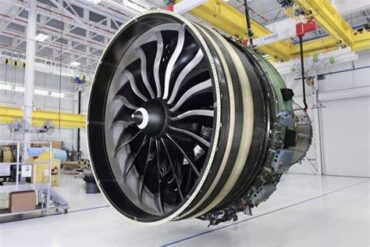
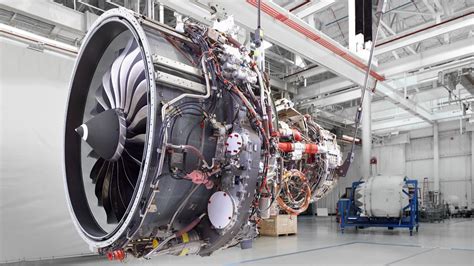
The most visible bottleneck has emerged in engine production.
Modern commercial jet engines are among the most complex machines ever created. Their manufacture requires thousands of highly specialized components sourced from suppliers spread across multiple countries. Any disruption within this network can slow output dramatically.
The result has been a peculiar and increasingly common sight across aviation manufacturing facilities.
Completed airframes sometimes leave assembly lines only to sit parked for months awaiting engines.
The aircraft itself may be finished.
The engines are not.
Labor shortages have only compounded these challenges. Aerospace manufacturing relies heavily on skilled workers whose expertise takes years to develop. Rebuilding those talent pipelines has proven far more difficult than simply increasing production targets.
At the same time, geopolitical uncertainty, changing trade policies, transportation disruptions, and inflationary pressures continue creating additional vulnerabilities.
Each small disruption reverberates throughout the system.
Each delay compounds existing backlogs.
Each missed delivery reinforces the incentive for airlines to secure positions in the queue as early as possible.
The longer the supply chain remains constrained, the more valuable future delivery slots become.
The Hidden Cost of Waiting Too Long
For airlines, delayed aircraft deliveries are not merely inconvenient.
They are expensive.
Very expensive.
Every year that a new aircraft arrives late forces carriers to continue operating older jets beyond their originally planned retirement dates. While these aircraft remain perfectly capable of flying safely, they become increasingly costly to operate.
Maintenance expenses rise steadily as fleets age. Components require more frequent inspections. Replacement parts become harder to source. Downtime increases. Engineering complexity grows.
Fuel efficiency presents another challenge.
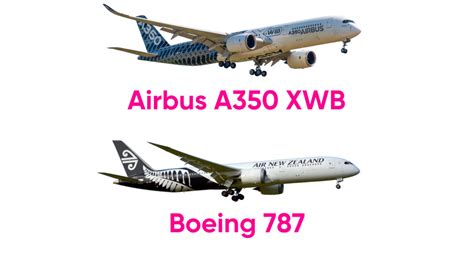
Modern aircraft such as the Boeing 787 Dreamliner and Airbus A350 consume significantly less fuel than older widebody jets. Similarly, the latest narrowbody aircraft offer substantial efficiency improvements compared with previous generations.
When airlines are forced to retain aging fleets longer than planned, fuel bills rise accordingly.
Across the global airline industry, these costs accumulate rapidly.
Billions of dollars are effectively lost every year because carriers must continue flying aircraft they intended to replace.
Those expenses make early aircraft ordering look remarkably attractive.
Locking in future deliveries becomes a form of financial protection. The sooner airlines can replace older aircraft, the sooner they can reduce fuel consumption, lower maintenance costs, improve operational reliability, and enhance profitability.
In this context, placing orders years before they are needed becomes less a gamble and more a strategic hedge against escalating operating expenses.
Why Delivery Slots Have Become Strategic Assets
Perhaps the most important shift in modern airline fleet planning is the growing recognition that delivery slots possess independent value.
Historically, airlines primarily focused on the aircraft itself.
Today, access to production capacity can be just as important.
A delivery slot essentially grants an airline the right to receive an aircraft during a particular timeframe. In an environment where production capacity is severely constrained, those rights become extraordinarily valuable.
This explains why airlines frequently place orders before determining exactly how specific aircraft will be used.
The objective is not necessarily to finalize fleet deployment immediately.
The objective is to secure a place in line.
A powerful example can be seen in Lufthansa’s Boeing 787 program. When the airline placed its order years ago, management openly acknowledged that decisions regarding deployment and hub allocation would be finalized later.
At the time, Lufthansa knew it would eventually require newer aircraft.
It did not necessarily know every operational detail.
That uncertainty did not matter.
What mattered was securing access to future deliveries.
Years later, those aircraft are finally arriving and replacing older four-engine jets across the carrier’s network.
The strategy worked precisely because Lufthansa entered the queue early.
Had the airline waited until every planning decision was finalized, it might still be waiting for aircraft today.
The Power of Aircraft Purchase Options
Beyond firm orders, airlines employ another powerful tool to preserve flexibility.
Aircraft options.
An option grants an airline the right—but not the obligation—to purchase additional aircraft at predetermined terms.
These agreements have become increasingly valuable as backlogs continue growing.
Without options, an airline seeking additional aircraft years after an initial order may find itself returning to the end of an already overcrowded queue. With options, however, the carrier can often secure additional capacity without suffering the same delays.
This creates significant strategic advantages.
Airlines gain flexibility to respond to changing market conditions.
If demand grows faster than expected, additional aircraft can be acquired more quickly.
If economic conditions deteriorate, options can simply expire unused.
The airline preserves opportunity without committing fully to future purchases.
Alaska Airlines’ latest Boeing agreement demonstrates this approach perfectly. Beyond its firm commitment for 105 Boeing 737-10 aircraft, the carrier negotiated options for an additional 35 jets.
Those options effectively function as insurance.
Should market conditions justify expansion, Alaska already possesses a pathway toward securing additional aircraft.
Should circumstances change, it avoids unnecessary commitments.
The arrangement allows management to adapt as conditions evolve over the next decade.
Inflation Makes Early Aircraft Orders Even More Valuable
Aircraft pricing introduces another powerful incentive for early ordering.
Commercial aircraft are extraordinarily expensive assets whose values are influenced by inflation, production costs, labor expenses, raw materials, and market demand.
When airlines place orders, pricing structures are typically negotiated years before delivery occurs.
That timing creates potential advantages.
If inflation continues pushing manufacturing costs higher, airlines benefit from agreements secured at earlier pricing levels.
In essence, they lock in future assets at today’s negotiated values.
This strategy mirrors other forms of corporate hedging.
Just as airlines hedge fuel costs to reduce exposure to future price volatility, they can also hedge aircraft acquisition costs by securing production slots years in advance.
The benefits become especially significant when considering the enormous scale of modern fleet orders.
Even modest pricing increases can translate into hundreds of millions of dollars in additional costs across large aircraft programs.
By acting early, airlines reduce that exposure.
Of course, risks remain.
Market conditions can change.
Technology can evolve.
Competitive dynamics can shift.
Yet most major carriers increasingly view those uncertainties as preferable to the certainty of joining a decade-long waiting list later.
The New Reality of Airline Fleet Planning
The traditional image of airlines ordering aircraft because they immediately need them no longer reflects modern industry realities.
Today’s fleet planning environment is dominated by scarcity.
Scarcity of production capacity.
Scarcity of delivery slots.
Scarcity of available aircraft.
As a result, airlines increasingly treat aircraft orders as strategic reservations for future opportunities rather than precise commitments tied to current operational requirements.
They secure positions years in advance.
They negotiate options for additional flexibility.
They lock in pricing before inflation can raise costs.
They reserve delivery slots long before final deployment plans are finalized.
In many cases, the aircraft itself becomes only part of the equation.
The real prize is access.
Access to future capacity.
Access to modernization.
Access to growth.
As long as Boeing, Airbus, engine manufacturers, and global suppliers continue struggling to meet demand, this behavior is likely to intensify rather than diminish.
That is why airlines keep ordering aircraft they do not appear to need yet.
They are not buying airplanes for today.
They are buying certainty for tomorrow.
And in an industry where a delivery slot can take a decade to obtain, certainty may be the most valuable asset of all.