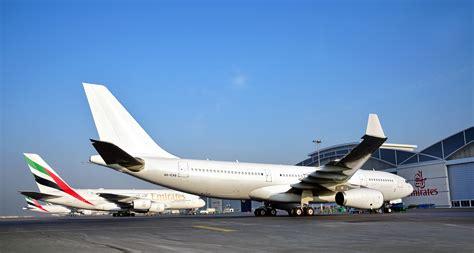
The aviation world is watching a calculated, high-stakes maneuver unfold as Emirates quietly secures takeoff and landing slots at Berlin Brandenburg Airport (BER) for a December 2026 launch, despite lacking final regulatory approval from German authorities. For a carrier known for bold expansion plays, this is a strategic bet that blends long-term lobbying, geopolitical aviation diplomacy, and a calculated wager on Germany’s evolving aviation policy landscape.
For Berlin, a city historically underserved in intercontinental connectivity, the arrival of Emirates would represent a symbolic and economic milestone. For Emirates, it is the culmination of decades of persistence—yet also a gamble that could expose fault lines in European aviation politics.
A Long-Awaited Berlin–Dubai Connection Finally Takes Shape
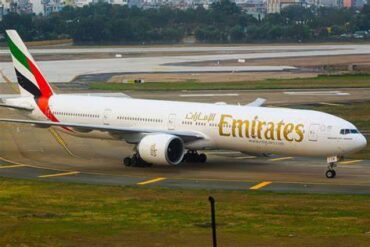
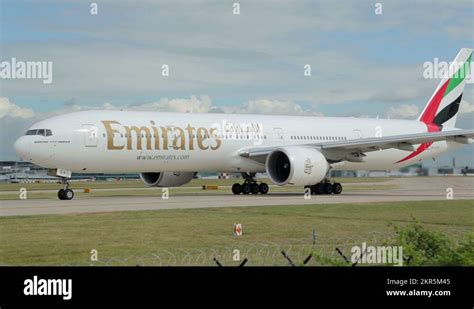
Emirates has sought access to Berlin for decades, arguing that Germany’s capital—now the country’s largest metropolitan region—deserves direct connectivity to its global hub in Dubai. The airline’s planned launch in December 2026 is now penciled in using high-capacity Boeing 777 widebody aircraft, signaling confidence in demand and premium traffic potential.
The route was initially targeted for an earlier start, but aircraft delivery delays forced Emirates to postpone its debut. Even so, the airline publicly cites “clear demand” between Berlin and Dubai, backed by growing business ties, tourism flows, and Berlin’s rising profile as a technology and startup hub.
By moving early to secure slots, Emirates is positioning itself operationally to launch quickly the moment regulators give the green light. This preemptive slot acquisition underscores how strategic route planning now involves regulatory chess moves as much as aircraft and schedules.
Why Berlin Matters So Much to Emirates
Germany is already one of Emirates’ strongest European markets, with flights to Frankfurt, Munich, Düsseldorf, and Hamburg. Yet Berlin remains conspicuously absent from its network, an anomaly given the city’s population and political significance.
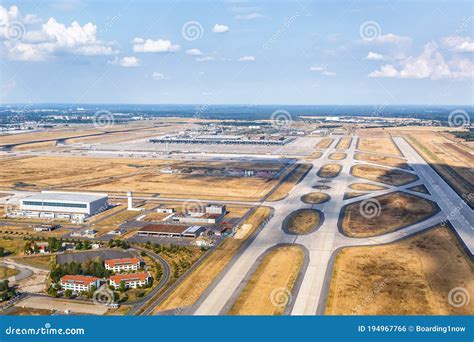
Berlin has historically lagged behind Frankfurt and Munich in long-haul connectivity, partly due to its fragmented airport history and the delayed opening of BER. Emirates sees Berlin as both an untapped premium market and a gateway to Eastern Europe, leveraging its Dubai hub to funnel passengers onward to Asia, Africa, and Oceania.
From Emirates’ perspective, a daily Berlin flight could generate around 500 jobs and attract more than 140,000 passengers annually, injecting tourism and business travel into the regional economy. The airline has framed the route as a pragmatic boost to eastern Germany’s economic recovery—without government subsidies.
The Regulatory Wall: Germany’s Four-Airport Limit
The core obstacle remains Germany’s bilateral aviation agreement, which limits Emirates to serving four German airports—a quota already filled. Any Berlin service would require regulatory approval or a renegotiation of bilateral terms.
This restriction is rooted in long-standing pressure from German carriers, especially Lufthansa, which has argued that Gulf carriers benefit from unfair state support and distort competition. The policy reflects broader European concerns about subsidized carriers reshaping long-haul markets through aggressive pricing and network reach.
Yet precedents exist. Qatar Airways received permission to serve a fifth German airport in 2021, and Emirates is betting that similar flexibility could apply again. Aviation policy, after all, often bends under economic and political pressure, especially when regional development arguments enter the debate.
Lufthansa’s Quiet Vulnerability in Berlin
Ironically, Lufthansa’s position in Berlin is structurally weak. The airline does not operate a major long-haul hub at BER, instead funneling passengers to Frankfurt and Munich. This leaves Berlin exposed to foreign long-haul carriers stepping in to fill the connectivity gap.
Emirates insists its Berlin entry would not significantly threaten Lufthansa, citing limited overlap. However, reality is more complex. Emirates’ Dubai hub offers over 80 onward destinations, many of which compete directly with Lufthansa’s long-haul network. Even if only partial overlap exists, passenger leakage is inevitable.
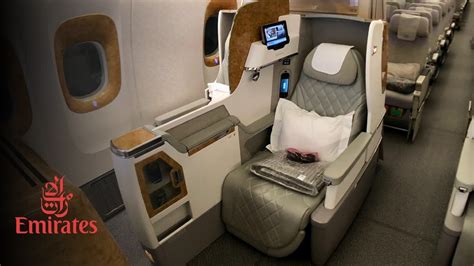
Moreover, Emirates’ onboard product—especially in premium cabins—has become a benchmark, with high-end business and first-class offerings that can sway corporate travelers. A nonstop Berlin–Dubai flight with premium service could attract travelers who currently connect via Frankfurt or Munich.
Competition on the Berlin–Dubai Route
Emirates would not enter an empty market. Condor and Eurowings already operate seasonal services on the Berlin–Dubai route, primarily using narrowbody aircraft and leisure-focused pricing models. Yet Emirates’ strategy is fundamentally different.
The airline’s widebody aircraft, cargo capacity, and global connectivity position it as a network carrier rather than a point-to-point leisure airline. This difference matters. Emirates would bring not just passengers, but also high-value cargo, premium traffic, and intercontinental transfer flows.
This dynamic mirrors Emirates’ expansion playbook elsewhere in Europe: enter underserved markets with high-capacity aircraft, stimulate demand, and gradually reshape traffic flows toward its hub.
Slots as Strategic Leverage
Securing slots before regulatory approval is not merely operational housekeeping; it is strategic leverage. Airport slots at major hubs are scarce commodities, often allocated years in advance. By locking in Berlin slots early, Emirates signals seriousness, deters competitors, and creates momentum that regulators must consider.
This tactic also sends a message to policymakers: the airline is ready, demand is waiting, and infrastructure capacity is available. Delaying approval now becomes a political decision rather than a technical one.
In aviation diplomacy, facts on the ground—aircraft, slots, schedules—often shape regulatory outcomes more than theoretical policy debates.
The Geopolitical Subtext of Gulf Carrier Expansion
Emirates’ Berlin push is part of a broader pattern of Gulf carriers expanding into Europe’s secondary cities. These moves challenge traditional hub dominance, redistribute traffic, and intensify competition in premium long-haul markets.
Germany, with its strong flag carrier and political sensitivity to aviation jobs, sits at the center of this tension. Allowing Emirates into Berlin could stimulate regional growth but also provoke backlash from domestic airlines and unions.
Yet blocking the route risks leaving Berlin behind in global connectivity at a time when cities compete for investment, tourism, and international business.
What Happens Next for Berlin and Emirates
The coming months will reveal whether regulators greenlight Emirates’ Berlin ambitions. Approval would reshape Berlin’s aviation profile, adding a major global hub connection and enhancing the city’s role in intercontinental travel networks. Rejection would reinforce Germany’s protectionist stance and delay Berlin’s integration into the global long-haul ecosystem.
For Emirates, the gamble is calculated. The airline has the fleet, the demand signals, and the geopolitical precedent. Slot acquisition is a visible declaration that it expects victory—or at least wants to force the conversation.
In aviation, bold route launches often precede policy shifts rather than follow them. Emirates’ Berlin move is not just about one route; it is a test case for how Europe balances competition, connectivity, and national airline interests in an increasingly globalized sky.