JetBlue Airways has spent more than two decades proving that passengers still value a better flying experience. Since its launch in 2000, the airline has built a reputation around comfort, technology, and customer-friendly service at a time when much of the industry was moving toward cost-cutting and reduced amenities. Yet despite earning strong customer loyalty and creating one of the most recognizable brands in American aviation, JetBlue continues to face one of the toughest challenges in the airline industry: turning passenger appreciation into sustainable profits.
The airline’s current difficulties highlight a fundamental truth about aviation: a great product does not always create a great business model. JetBlue’s problems are not caused by poor service, weak brand recognition, or a lack of innovation. Instead, they come from deeper structural disadvantages involving scale, network strength, fleet challenges, and financial pressure.
Over the past several years, JetBlue has recorded repeated losses, accumulated billions of dollars in debt and lease obligations, and seen investor confidence decline. The airline remains respected by travelers, but the financial results have created questions about whether its existing strategy can succeed in a highly competitive industry dominated by much larger airlines and ultra-low-cost carriers.
JetBlue Built One of America’s Most Loved Airline Brands
When JetBlue entered the US airline market, it challenged conventional thinking about what a low-fare airline could offer. At the time, many discount carriers competed primarily by removing services and minimizing costs. JetBlue chose a different path by offering passengers a more comfortable and enjoyable travel experience without adopting the pricing structure of traditional premium airlines.
The airline introduced features that quickly became associated with better customer treatment. Complimentary snacks, spacious seating, seatback entertainment systems, and free high-speed Wi-Fi helped JetBlue create a unique position between legacy carriers and budget airlines.
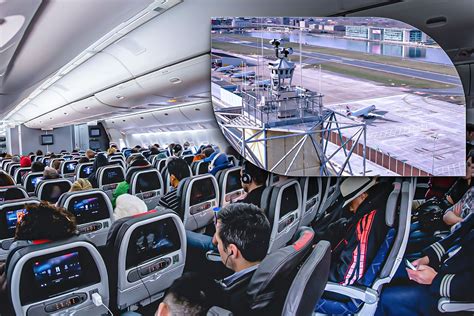
One of JetBlue’s biggest achievements was proving that passengers were willing to recognize value beyond the cheapest possible ticket. The airline showed that comfort and convenience could influence purchasing decisions, especially among travelers who wanted something better than a basic economy experience.
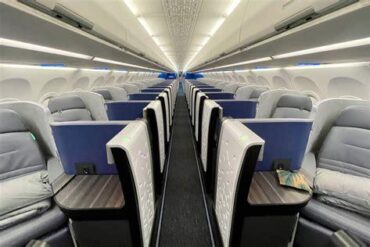
The introduction of JetBlue Mint represented an even more ambitious attempt to move into higher-value markets. Launched in 2014, Mint allowed JetBlue to compete against premium business-class products offered by larger airlines such as Delta One, United Polaris, and American Airlines Flagship Business.
Using Airbus A321 aircraft, JetBlue created a long-range premium product with lie-flat seats and private suites on some aircraft. This was a significant achievement because it demonstrated that a smaller airline could innovate successfully without operating large widebody aircraft.
However, the challenge was never whether JetBlue could create products customers liked. The challenge was whether the airline could generate enough financial returns from those products.
The Real Problem: JetBlue Does Not Have Enough Scale
The biggest weakness in JetBlue’s business model is its size. In aviation, scale creates powerful advantages that are difficult for smaller airlines to overcome.
Large network carriers such as Delta Air Lines, United Airlines, and American Airlines operate massive fleets, extensive hub networks, and thousands of daily flights. Their size allows them to spread costs across more passengers, negotiate better deals with suppliers, and recover more easily when operational problems occur.
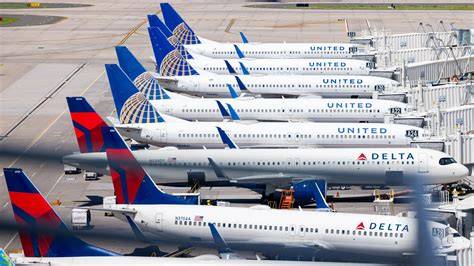
JetBlue operates a fleet of roughly 280 aircraft, significantly smaller than the fleets of the largest US airlines. That difference affects nearly every aspect of the company’s operations.
A larger airline can shift aircraft between markets, maintain more schedule flexibility, and use its network to connect passengers through multiple hubs. JetBlue’s network remains more concentrated around important markets such as New York John F. Kennedy International Airport and Boston Logan International Airport.
Those markets provide valuable brand recognition, but they also create limitations. Unlike traditional hub-and-spoke airlines, JetBlue does not have the same ability to feed thousands of connecting passengers through its system.
This creates a difficult competitive position. JetBlue offers a better experience than many low-cost carriers, but it does not have the scale advantages of legacy airlines. It sits between two different business models without fully benefiting from either one.
JetBlue Faces Pressure From Both Premium Airlines and Low-Cost Competitors
The airline industry has become increasingly divided between large network carriers competing for premium travelers and ultra-low-cost airlines competing through aggressive pricing.
JetBlue operates in the middle.
On one side, airlines such as Delta, United, and American have built strong loyalty programs, global partnerships, corporate contracts, and premium cabins. Their massive networks make them attractive to business travelers who need flexibility and worldwide connectivity.
On the other side, carriers such as Frontier Airlines and Allegiant Airlines compete with extremely low fares. These airlines operate simpler business models focused on reducing costs and generating additional revenue through fees and optional services.
JetBlue cannot fully compete with ultra-low-cost carriers because its business model requires higher spending on customer experience. At the same time, it cannot match the network advantages of the largest airlines.
This middle position has always been both JetBlue’s strength and its weakness. The airline created a product many customers appreciate, but aviation economics reward efficiency and scale as much as customer satisfaction.
Pratt & Whitney Engine Problems Created Another Major Challenge
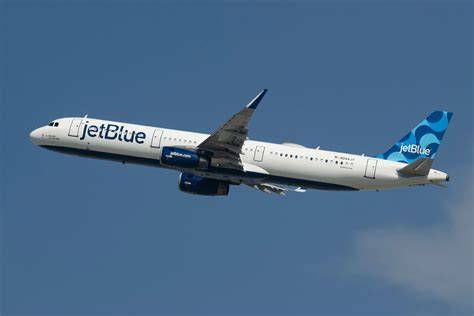
JetBlue’s fleet modernization strategy was designed to improve efficiency. The airline invested heavily in newer Airbus aircraft, including the Airbus A220 and Airbus A321neo, expecting lower fuel consumption and improved operating economics.
The A321neo can deliver significant fuel efficiency improvements compared with older-generation aircraft, while the A220 provides excellent economics on smaller routes where larger aircraft may not be practical.
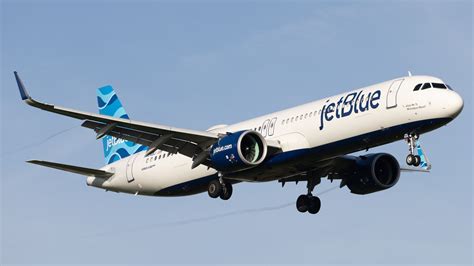
However, JetBlue became one of the airlines most affected by problems involving Pratt & Whitney geared turbofan engines. Required inspections and repairs forced some aircraft out of service, creating operational challenges at a particularly difficult time.
For a large airline operating hundreds or thousands of aircraft, losing several dozen aircraft can be managed more easily. For JetBlue, a smaller fleet means every unavailable aircraft has a much greater impact.
The consequences were significant. Reduced aircraft availability limited capacity, disrupted schedules, increased reliance on older aircraft, and delayed the financial benefits expected from fleet modernization.
Instead of becoming a competitive advantage, JetBlue’s newest aircraft became another challenge that management needed to solve.
The Failed Strategic Moves That Could Have Changed JetBlue’s Future
JetBlue understood that scale was its biggest weakness, which is why the airline pursued strategies designed to expand its competitive position.
The most significant attempt was the proposed acquisition of Spirit Airlines. Announced in 2022, the deal was valued at approximately $3.8 billion, including debt obligations.
JetBlue argued that combining with Spirit would create a stronger competitor against the largest US airlines. The merged company would have operated a larger fleet, gained access to additional leisure markets, and created more opportunities to compete nationally.
Spirit brought several assets that could have complemented JetBlue, including a large Airbus fleet, strong presence in leisure markets, and experience operating with a lower-cost structure.
However, regulators opposed the merger, arguing that removing Spirit from the market could reduce competition for price-sensitive travelers. A federal court ultimately blocked the transaction, preventing JetBlue from gaining the additional scale it believed it needed.
Another major setback came from the Northeast Alliance with American Airlines. The partnership allowed JetBlue and American to coordinate schedules and improve connectivity in key markets such as New York and Boston.
For JetBlue, the alliance offered some advantages of a larger network without requiring a merger. However, a federal court ruled against the partnership in 2023, forcing the airlines to end the agreement.
Together, the failed merger and dissolved alliance removed two of JetBlue’s most important opportunities to solve its scale problem.
JetForward: JetBlue’s Attempt to Repair the Business Without Losing Its Identity
After those strategic setbacks, JetBlue shifted toward an internal turnaround plan called JetForward.
Instead of relying on major expansion, the strategy focuses on improving profitability through better operational performance, stronger route selection, cost reductions, and increased revenue from premium customers.
The airline has targeted hundreds of millions of dollars in financial improvements by 2027. Achieving those goals will require better aircraft utilization, improved reliability, and greater discipline in choosing markets.
JetBlue has already begun reducing weaker routes and focusing more heavily on markets where it has stronger competitive advantages, including New York, Boston, and Fort Lauderdale.
The airline is also looking to maximize the value of its premium offerings. JetBlue Mint, TrueBlue loyalty programs, and credit card partnerships remain central parts of its strategy to attract higher-value customers.
A potential partnership with United Airlines through the Blue Sky agreement could also improve connectivity while allowing both airlines to remain independent.
However, partnerships cannot fully replace the advantages of scale. JetBlue still must prove that better execution can overcome years of structural disadvantages.
What Does the Future Hold for JetBlue Airways?
JetBlue’s future remains uncertain. The airline still faces significant financial pressure, including a large debt burden, high operating costs, and intense competition.
Its credit rating challenges reflect concerns about whether the company can generate enough consistent cash flow to support long-term stability.
Yet JetBlue still possesses valuable assets. Its positions at major airports, strong customer loyalty, recognizable brand, and differentiated product provide advantages that many struggling airlines do not have.
The airline’s situation is unusual because its customers have not rejected its product. The problem is converting customer satisfaction into financial success.
JetBlue represents one of the most interesting examples in modern aviation: a company that succeeded at creating a better passenger experience but struggled with the economic realities of running an airline.
The coming years will determine whether JetBlue can prove that a high-quality airline can survive without the enormous scale of legacy carriers or the ultra-low-cost structure of budget airlines.
If JetForward succeeds, JetBlue could become a more focused and financially disciplined airline while preserving the qualities that made it popular. If the turnaround fails, continued financial pressure could force the company to consider more significant changes.
The story of JetBlue is ultimately a reminder that aviation is not only about creating an airline passengers love. It is about building a business model strong enough to survive one of the most competitive industries in the world.