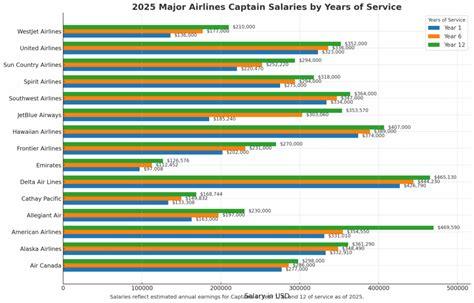
Commercial airline pilots remain among the highest-paid professionals in the aviation industry, and pilot compensation in 2026 reflects just how aggressively airlines have competed for experienced flight crews. In the United States, several major carriers now offer senior widebody captains contractual rates approaching or exceeding $480 per credited hour, while cargo operators have also sharply increased their pay scales. Outside the US, airlines such as Emirates take a different approach, combining salary with housing, education, retirement contributions, insurance, and other benefits.
That makes a worldwide comparison more complicated than simply identifying the largest hourly number. A US airline pilot is generally paid according to contractual credit hours, aircraft type, and seniority, while an international carrier may advertise an annual employment package that includes both cash compensation and benefits. The value of those benefits can be particularly significant for pilots relocating internationally with spouses and children.
The five airlines discussed here therefore should not be treated as a definitive ranking of the world’s highest-paid pilots. Instead, they represent some of the strongest publicly documented pilot compensation packages available in 2026, based on published contracts and employer compensation information. The figures also show how dramatically pilot pay has changed following a period of intense hiring demand and increasingly competitive labor agreements.
Delta Air Lines: Up to $483.74 Per Hour for Senior Widebody Captains
Delta Air Lines has played a major role in the recent escalation of US airline pilot compensation. Its pilots approved a new collective bargaining agreement in 2023, introducing a series of scheduled increases that culminated in another 4% pay increase on January 1, 2026. According to the Delta Master Executive Council, the agreement produced a cumulative pay increase of 36.7% over its life.
For a 12-year captain flying in Delta’s highest widebody pay category, the contractual rate in 2026 is $483.74 per hour. This category covers aircraft such as the Airbus A350, placing experienced long-haul captains close to the half-thousand-dollar-per-hour threshold. At the same seniority level, a first officer earns $330.44 per hour.
Those numbers can look extraordinary when multiplied out, but that calculation does not accurately represent how airline pilot salaries work. Pilots are paid according to contractual credit rather than simply the number of hours their aircraft spends in the air. Training, vacation, schedule changes, additional flying, and other contractual provisions can affect credited compensation.
Delta’s broader package also includes an 18% defined-contribution retirement contribution, while profit sharing can add substantially to total annual earnings. For 2024, Delta pilots received profit sharing equivalent to 10.04% of pilot pay. The current agreement becomes amendable at the end of 2026, making future negotiations particularly important to the airline’s compensation structure.
American Airlines: $483.74 Per Hour at the Top of the 2026 Scale
American Airlines has reached essentially the same headline compensation level as Delta at the top end of its widebody pilot scale. In 2026, a 12-year captain in American’s highest widebody category earns $483.74 per hour, while the corresponding first officer rate is $330.44.
The alignment between major US airlines illustrates how interconnected pilot compensation has become. Pilot unions closely monitor agreements at competing carriers, and a major improvement at one airline can create pressure for others to adjust their own contracts. Consequently, pay at the largest network airlines has increasingly moved together, particularly at the senior widebody captain level.
American’s package also includes an 18% employer retirement contribution, adding an important layer beyond the headline hourly rate. For pilots, retirement contributions can become extremely valuable over a decades-long career because the benefit is based on compensation that can already be substantial.
American also has a scheduled increase beyond the 2026 figures. On January 1, 2027, its highest widebody captain rate is scheduled to rise to $498.25 per hour, while the senior first officer rate is scheduled to reach $340.35. That puts the contractual captain rate very close to the $500-per-hour mark before considering other forms of compensation.
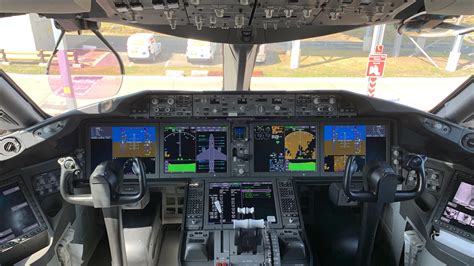
United Airlines: $483.74 Per Hour and Potentially Higher Annual Earnings
United Airlines completes the trio of major US network carriers currently sitting at the same 2026 headline rate. A 12-year United captain flying a Boeing 777 or 787 receives $483.74 per hour, while a first officer at the same seniority level receives $330.44.
United’s scheduled compensation trajectory is also significant. The top widebody captain rate is due to increase to $498.25 per hour in January 2027, with the corresponding first officer rate reaching $340.35. As with American and Delta, these figures represent contractual rates rather than guaranteed annual salaries.
In practice, some highly experienced United pilots can earn substantially more than a straightforward hourly calculation would suggest. Certain Boeing 787 captains can approach approximately $600,000 in annual compensation under favorable circumstances, although reaching that level depends on the amount and type of flying, additional credited work, scheduling, and other contractual factors.
United also provides an 18% company retirement contribution. This is important because a pilot’s compensation package is not simply the cash received during a particular pay period. Retirement contributions, premium flying opportunities, profit-related payments, and work-rule provisions can all influence the total economic value of a senior pilot position.
The result is a compensation structure in which the headline hourly rate tells only part of the story. A pilot holding the same aircraft qualification and seniority as another pilot can still finish a year with a different total income because their schedules and credited hours may differ.
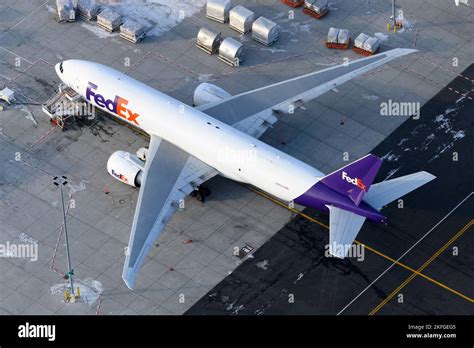
FedEx: $469 Per Hour After a Major 2026 Pay Increase
FedEx provides an important reminder that the highest pilot pay is not limited to passenger airlines. The cargo carrier’s pilots reached a new collective bargaining agreement in 2026 after a prolonged negotiating process, with the agreement taking effect on June 29, 2026.
The new contract immediately produced a dramatic improvement in compensation. According to the FedEx ALPA tentative agreement summary, pilot pay increased by 39.76%, taking the top-scale widebody captain rate to $469 per hour. The top-scale widebody first officer rate reached $332.49 per hour, slightly above the $330.44 rate paid to 12-year widebody first officers at Delta, American, and United.
FedEx’s scale is based on a longer progression, with the top rate reached at 15 years rather than 12. Nevertheless, the contract places the cargo carrier firmly among the most highly compensated airline pilot employers in 2026.
There is also a substantial transitional payment attached to the new agreement. Eligible pilots can receive an Amendable Period Recovery Payment of up to $150,000 for captains and $102,500 for first officers, depending on qualifying active service between November 2021 and June 2026. The payment recognizes the extended period during which pilots continued working under the previous agreement.
FedEx’s future rates are equally notable. Its top widebody captain rate is scheduled to rise to $483.07 per hour in 2028, $497.56 in 2029, and $512.48 per hour in 2030. Those increases could place FedEx’s contractual senior captain rate above $500 per hour before the end of the decade.
Emirates: A $320,000 Annual Compensation Package
Emirates demonstrates why global pilot compensation cannot be measured entirely through hourly rates. The Dubai-based airline advertises an annual compensation package for eligible direct-entry captains and their families worth approximately AED 1.185 million, or $320,000, rather than publishing a US-style seniority-based hourly scale.
The headline figure needs to be interpreted carefully. It does not mean an Emirates captain receives $320,000 in cash. The airline advertises approximately AED 575,000 ($155,000) in annual take-home cash, based on monthly basic pay and 85 flying hours. Much of the remaining package comes through benefits that can have considerable value for pilots and their families.
Housing is one of the largest components. Emirates values accommodation and utilities for eligible direct-entry captains at approximately AED 290,000 ($80,000) per year. The package can also include education allowances for eligible children, medical and dental coverage, life and loss-of-license insurance, chauffeur transportation to work, and annual leave travel benefits.
The airline also contributes 12% of basic salary to a retirement fund after the first six months, while employees contribute 5%. Captains receive 42 calendar days of annual leave, while eligible first officers can receive a package advertised at approximately AED 935,000, or $255,000, annually.
The difference between Emirates and the major US airlines is therefore less about which figure is larger and more about how compensation is structured. A senior US captain may receive considerably more direct cash compensation, while an Emirates pilot may have major expenses such as housing substantially covered by the employer.
Tax treatment adds another important distinction. The United Arab Emirates has no general individual income tax, while VAT is 5%. For an internationally mobile pilot, that tax environment can materially affect the practical value of a compensation package.
Why Airline Pilot Pay Is So Difficult to Compare in 2026
The biggest lesson from these five airlines is that pilot pay cannot be judged from a single number. A $483.74 hourly rate may look dramatically different from a $320,000 annual package, but the underlying structures are fundamentally different.
US pilot contracts generally combine seniority-based rates with credited hours and extensive work rules. The number of hours a pilot is actually sitting at the controls is only one component of compensation. Seniority also affects schedule quality, aircraft assignment, vacation selection, and access to additional flying.
International airlines can take a different approach by packaging salary and benefits together. Housing, schooling, transportation, healthcare, insurance, retirement contributions, and tax treatment can significantly change the real-world value of an employment offer.
The 2026 figures also reveal the continuing influence of pilot labor negotiations. Delta, American, and United have converged at $483.74 per hour for senior widebody captains, while FedEx has moved rapidly toward the same territory after its latest agreement. With FedEx scheduled to reach $512.48 per hour in 2030, and several major passenger airline contracts approaching renegotiation, the upper end of airline pilot compensation could continue to evolve.
For experienced pilots, the most important figure may therefore not be the headline hourly rate or advertised annual package alone. Aircraft type, seniority, credited hours, retirement benefits, profit sharing, housing, taxes, and family benefits can all determine how much value a pilot ultimately receives. In 2026, the competition for experienced flight crews has made that overall package increasingly important—and increasingly lucrative.