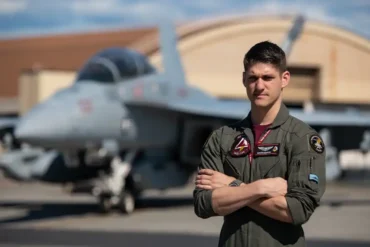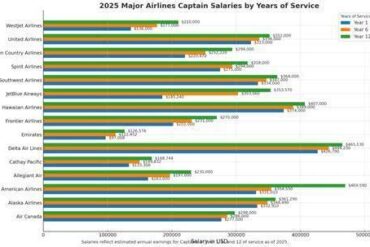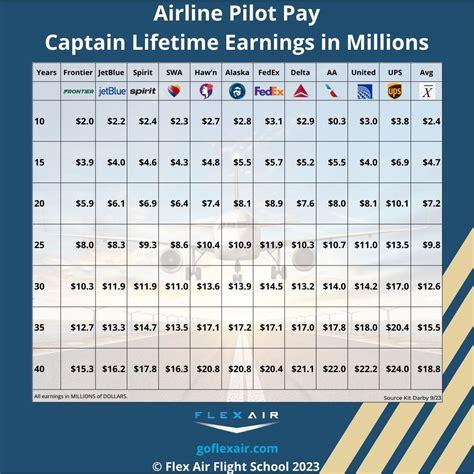
The idea that military pilots earn less than their commercial airline counterparts is broadly accurate—but it is also incomplete. Beneath that surface-level comparison lies a far more nuanced reality: the highest-paid U.S. Air Force pilots command compensation packages that rival six-figure corporate roles, bolstered by allowances, bonuses, and elite leadership responsibilities. These are not just aviators; they are decision-makers, strategists, and commanders responsible for global airpower.
From cockpit warriors flying cutting-edge jets like the F-22 Raptor to four-star generals shaping national defense policy, the compensation structure reflects both rank and responsibility. As pilots climb the ladder, their time in the air often decreases—but their influence, and total earnings, rise dramatically.
Understanding where the real money lies in the Air Force aviation hierarchy requires examining each rank, from Captains at the tactical edge to the Chief of Staff at the very top.
Four-Star Power: The Highest Paid Pilot in the U.S. Air Force
At the pinnacle sits the Chief of Staff of the Air Force (CSAF), currently held by Kenneth S. Wilsbach. This position represents the highest-ranking uniformed officer in the entire service, and historically, nearly every CSAF has been a pilot—an enduring testament to the importance of aviation leadership within the Air Force.
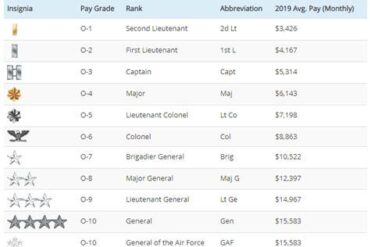
Despite operating within federally capped pay scales, a four-star general (O-10) earns a base salary approaching $18,999 per month, translating to roughly $228,000 annually. However, when allowances, housing benefits, and aviation incentive pay are included, total compensation can exceed $300,000 per year.
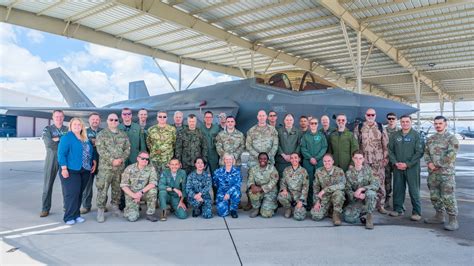
Unlike civilian executives, the CSAF maintains a unique connection to operational flying. Wilsbach himself flew the F-22 shortly after assuming office, reinforcing a philosophy that leaders must remain connected to the realities of air combat. While flight hours are limited at this level, Aviation Incentive Pay—though reduced—still applies.
What distinguishes this role is not just pay, but scope of authority. The CSAF oversees more than 665,000 personnel across active duty, reserve, and civilian components. Strategic priorities include force modernization, readiness, and maintaining air superiority in an increasingly contested global environment.
General Officers: Where Leadership Meets High Compensation
Below the CSAF lies the upper echelon of Air Force leadership—Brigadier Generals (O-7) through full Generals (O-10). These officers represent the financial and strategic peak for career military pilots outside the CSAF role.
A significant detail often overlooked: approximately 60% of Air Force generals are rated pilots. Their aviation roots remain central to their authority, even as their roles shift toward policy and command.
Compensation Breakdown for General Officers
- Brigadier General (O-7): ~$11,000–$17,000/month
- Major General (O-8): ~$13,000–$18,999/month
- Lieutenant General (O-9): Typically capped at ~$18,999/month
- General (O-10): Fully capped base pay
With bonuses and allowances, total annual compensation ranges from $225,000 to over $300,000. Even though many of these officers spend more time in command centers than cockpits, they maintain flight qualifications through periodic training.
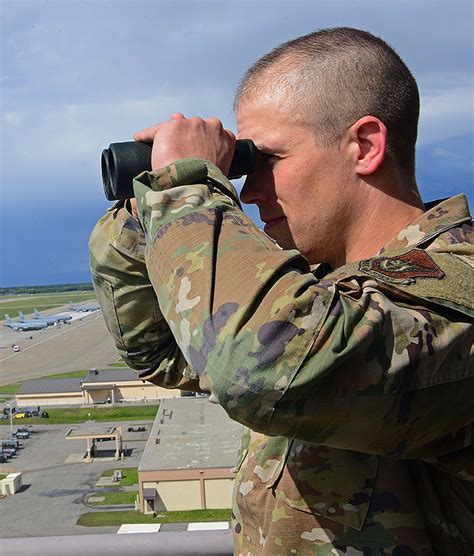
Interestingly, aviation incentive pay diminishes at this level. While junior pilots can earn up to $1,000 monthly in flight pay, generals often receive closer to $200 due to reduced flight hours. Yet, due to pay caps, their total earnings remain at the upper limit regardless.
This tier represents a transition from tactical execution to strategic dominance, where decisions impact entire theaters of operation rather than individual missions.
Colonels and Lieutenant Colonels: The $200K Leadership Tier
For many career pilots, reaching the rank of Colonel (O-6) or Lieutenant Colonel (O-5) marks entry into the most financially rewarding phase of operational leadership. These officers bridge the gap between high-level strategy and frontline execution.
Base salaries for this group range between $87,000 and $124,000 annually, but that figure only tells part of the story. When factoring in:
- Aviation Incentive Pay
- Retention bonuses (up to $50,000 per year)
- Housing and subsistence allowances
Total compensation frequently climbs to $120,000–$200,000+ annually.
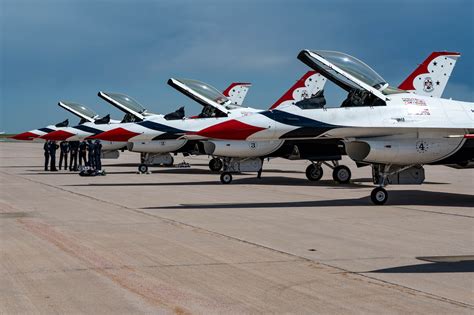
Lieutenant Colonels (O-5): Squadron Commanders
At this level, pilots often command entire squadrons. Their performance is measured by combat readiness, sortie generation rates, and operational effectiveness. Unlike generals, they still maintain a relatively strong connection to flying, ensuring credibility among their crews.
Colonels (O-6): Wing Commanders
Colonels operate at an even higher level, managing entire air bases or wings, with budgets reaching hundreds of millions of dollars. While their flight hours are limited, their influence over training, logistics, and mission execution is immense.
Their compensation reflects not just rank, but the weight of command over thousands of personnel and multi-billion-dollar assets.
Majors (O-4): The Turning Point to High Earnings
Promotion to Major represents a critical inflection point—both professionally and financially. This is where pilots begin transitioning from hands-on operators to organizational leaders, while still maintaining meaningful flight roles.
Annual compensation for Majors typically falls between $150,000 and $170,000, making this rank one of the most financially attractive mid-career stages.
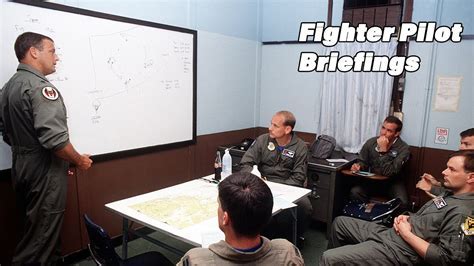
Majors occupy key roles such as:
- Assistant Director of Operations
- Director of Operations (in some units)
- Flight Commander
These positions require balancing administrative oversight with operational proficiency. Unlike senior officers, Majors are deeply involved in daily squadron activities, ensuring missions run efficiently.
Retention bonuses play a crucial role here. With commercial airlines aggressively recruiting experienced pilots, the Air Force offers significant financial incentives to keep Majors in uniform. This creates a compensation structure that can rival early-career airline salaries.
Captains (O-3): The Sweet Spot of Flying and Pay
Ask any Air Force pilot where the best balance of flying, responsibility, and compensation exists, and many will point to the rank of Captain. This is widely regarded as the golden era of a pilot’s career.
Captains earn:
- Base pay up to $97,000 annually
- Additional allowances and flight pay
- Total compensation ranging from $115,000 to $155,000
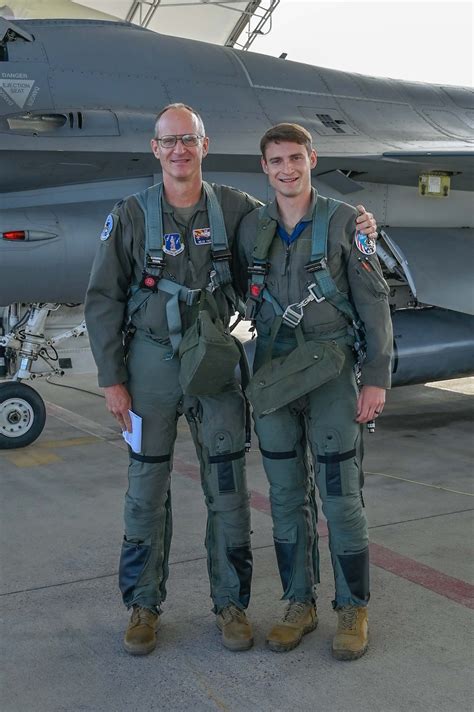
More importantly, Captains accumulate the highest number of flight hours. Many exceed 200 hours per year, particularly in high-demand aircraft like the F-16 Fighting Falcon.
This stage is defined by:
- Mastery of advanced tactics
- Leadership of small teams (10–20 personnel)
- Direct mentorship of junior pilots
Captains often pursue elite qualifications such as Instructor Pilot or Weapons Officer, particularly through institutions like the United States Air Force Weapons School. These roles significantly enhance career progression and long-term earning potential.
While their base salary is lower than senior officers, their operational experience and flying exposure are unmatched.
Flight Pay, Bonuses, and the Hidden Layers of Compensation
A key reason Air Force pilot salaries remain competitive lies in supplemental pay structures that go far beyond base salary.
Aviation Incentive Pay (Flight Pay)
- Ranges up to $1,000 per month
- Depends on years of aviation service
- Decreases at senior ranks due to reduced flying
Aviation Retention Bonuses
- Up to $50,000 annually
- Can total $600,000 over a 12-year commitment
- Designed to counter airline recruitment
Allowances and Benefits
- Tax-free housing allowances
- Subsistence allowances
- Healthcare and retirement plans
These components combine to create a compensation ecosystem where mid- and senior-level pilots routinely cross into six-figure earnings, even without civilian-sector salaries.
Why the Highest Paid Pilots Fly Less
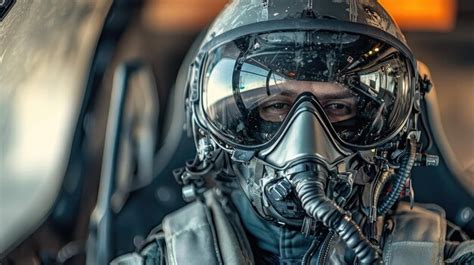
One of the most counterintuitive aspects of Air Force pilot compensation is this: the higher the rank, the less time spent flying.
This shift reflects a fundamental change in role:
- Captains and Majors: Tactical execution and frequent flying
- Lieutenant Colonels and Colonels: Operational leadership
- Generals: Strategic command and policy
While senior officers maintain flight status, their primary responsibility becomes leading organizations rather than flying aircraft.
Yet, this trade-off is precisely what drives higher compensation. The Air Force rewards decision-making authority, leadership complexity, and strategic impact more than flight hours alone.
The Real Value of a USAF Pilot Career
Pure salary comparisons with commercial aviation miss a crucial point: Air Force pilot compensation is only one part of a much larger value proposition.
Pilots gain:
- Experience in advanced aircraft like the F-15 Eagle and F-22
- Leadership roles unmatched in civilian aviation
- Early responsibility over high-stakes missions
- Access to elite training and education
For those who reach senior ranks, the financial rewards become substantial—but even before that, the career trajectory offers unparalleled professional development.
Conclusion: Where Rank Meets Reward in the Skies
The highest-paid U.S. Air Force pilots are not simply the best aviators—they are the most capable leaders, entrusted with commanding personnel, managing resources, and shaping the future of airpower.
From Captains refining combat tactics to four-star generals directing global strategy, each rank represents a step upward in both responsibility and compensation. While the cockpit may define the early years, it is leadership that ultimately drives the highest earnings.
For those willing to navigate the demanding path, the rewards—financial, professional, and personal—are far greater than commonly assumed.