The dream of becoming a US Navy pilot has always carried a unique combination of prestige, danger, and extraordinary responsibility. From catapult launches aboard nuclear-powered aircraft carriers to long-range maritime surveillance missions over contested waters, naval aviators operate in some of the most demanding environments in military aviation. Yet despite the public fascination with fighter jets and elite squadrons, the biggest factor determining how much a Navy pilot earns in 2026 is not the aircraft they fly. The true driver of compensation is rank.
Following the 3.8% military pay increase that took effect on January 1, 2026, senior naval aviators now receive some of the highest salaries in the US armed forces. As officers climb through the Navy hierarchy, their compensation expands far beyond standard flight pay. Housing allowances, subsistence benefits, retention bonuses, command incentives, and executive-level compensation caps all play a role in shaping total earnings.
For many aviators, the path begins in the cockpit of an aircraft like the Boeing F/A-18 Super Hornet, Lockheed Martin F-35C Lightning II, Boeing EA-18G Growler, or Sikorsky MH-60 Seahawk. Over time, however, the career focus shifts away from tactical flying and toward leadership, operational planning, and strategic command. By the time a naval aviator reaches flag officer rank, they may oversee entire fleets, global deployments, and thousands of personnel across multiple combat theaters.
This ranking examines the five highest-paid US Navy pilot ranks in 2026 based on official military compensation figures and federal pay data, while also exploring how these elite aviators shape the future of American naval air power.
After decades of combat deployments, flight qualifications, leadership evaluations, and command assignments, only a small percentage of Navy pilots ever reach these upper-tier positions. Those who do become some of the most influential military aviation leaders in the world.
Captain (O-6): Senior Naval Aviators Leading Carrier Air Wings
Navy Captains occupy one of the most respected and operationally critical leadership positions in naval aviation. Equivalent to a Colonel in the US Air Force or Marine Corps, the O-6 rank represents the transition from tactical leadership into major operational command authority.
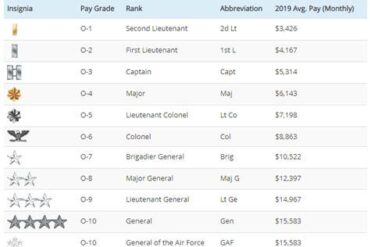
In 2026, Navy Captains earn between $8,067 and $14,282 per month in base pay depending on years of service. Annual base compensation ranges from approximately $96,800 to $171,400 before additional allowances and bonuses are included.
For naval aviators, this rank often comes after more than two decades of service. By this point, many pilots have accumulated thousands of flight hours in carrier-based fighters, electronic warfare aircraft, helicopters, or maritime patrol platforms. Some are graduates of the prestigious US Naval Test Pilot School, while others are combat veterans from operations over Iraq, Afghanistan, Syria, or the Indo-Pacific region.
Captains frequently command Carrier Air Wings, major aviation training commands, or aviation-focused operational groups. A Carrier Air Wing Commander may oversee dozens of aircraft and hundreds of aviators deployed aboard an aircraft carrier operating thousands of miles from the US mainland. The responsibility is immense because every launch, recovery, maintenance cycle, and combat sortie depends on coordinated leadership.
Although Captains spend less time physically flying aircraft than junior officers, they remain deeply tied to aviation operations. Many continue participating in proficiency flights or operational evaluations while managing large-scale combat readiness programs. Their experience is often invaluable during multinational exercises involving NATO allies or Indo-Pacific security operations.
Housing allowances dramatically boost real-world earnings at this level. A Navy Captain stationed in high-cost locations such as San Diego, Hawaii, or Norfolk may receive tens of thousands of dollars annually in non-taxable housing compensation alone. Aviation incentive pay and retention bonuses further increase total compensation packages.
Captains also play a major role in mentoring the next generation of Navy pilots. Their leadership directly shapes squadron culture, training standards, operational discipline, and combat preparedness throughout the fleet.
Commander (O-5): The Operational Backbone Of Naval Aviation
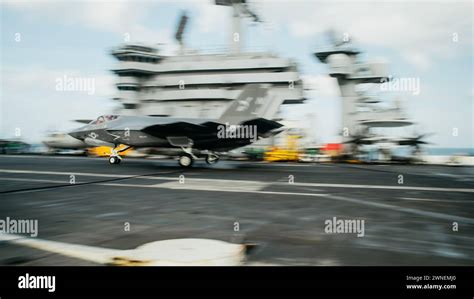
Among career naval aviators, the Commander rank is widely viewed as one of the most influential stages of operational leadership. Commanders often remain closely connected to day-to-day flying activities while simultaneously carrying major command responsibilities.
In 2026, Navy Commanders receive between $6,725 and $11,426 monthly in base pay, translating into roughly $80,700 to $137,100 annually before additional benefits are added.
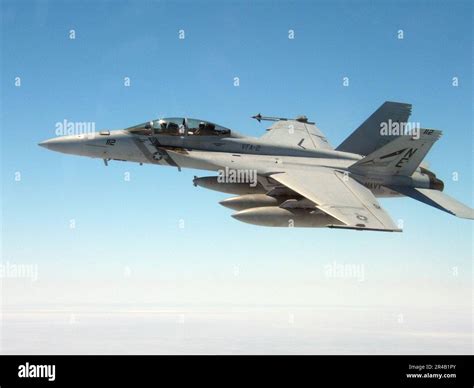
This is often the rank where pilots command frontline aviation squadrons. A Commander may lead a strike fighter squadron operating F/A-18E/F Super Hornets, an electronic attack squadron flying EA-18G Growlers, a helicopter maritime strike unit, or a P-8A Poseidon surveillance detachment.
Unlike senior admirals whose roles become largely administrative, Commanders frequently continue flying during deployments. They remain heavily involved in tactical planning, mission execution, and combat operations. During carrier deployments, squadron Commanders may personally lead sorties into contested airspace while simultaneously managing maintenance readiness, pilot training schedules, and operational discipline.
Retention incentives become especially important at this career stage. The Navy invests millions of dollars training aviators, and by the time pilots reach Commander rank, many possess experience highly valued by commercial airlines and private aerospace firms. To retain these seasoned officers, the Navy supplements compensation with Aviation Incentive Pay and selective retention bonuses.
The challenge for military planners is obvious. A Navy pilot with extensive carrier experience and thousands of flight hours can often transition into a civilian airline career with significantly higher long-term earning potential. As a result, competitive military compensation remains a central part of retaining operationally experienced aviators.
Commanders are also among the most battle-tested officers in naval aviation. Many have participated in freedom-of-navigation missions in the South China Sea, Red Sea security operations, anti-piracy patrols, and coalition combat campaigns across the Middle East.
Their unique blend of tactical expertise and leadership makes them indispensable to carrier operations worldwide.
Why Rank Determines Navy Pilot Salaries More Than Aircraft Type
One of the biggest misconceptions surrounding military aviation salaries is the belief that fighter pilots automatically earn more than helicopter or transport pilots. In reality, Navy compensation is structured primarily around pay grade and years of service rather than aircraft specialization.
A helicopter pilot and a fighter pilot holding the same rank generally receive nearly identical base pay. While aviation incentive programs exist, the differences are relatively modest compared to the influence of rank progression.
Several key factors shape Navy pilot earnings in 2026:
- Rank and years of service remain the largest determinants of salary
- Aviation Incentive Pay adds monthly flight-related compensation
- Basic Allowance for Housing (BAH) can add tens of thousands annually
- Basic Allowance for Subsistence (BAS) increases total non-taxable income
- Retention bonuses reward experienced aviators who stay in service
- The 2026 military pay raise increased overall compensation by 3.8%
This structure means a senior helicopter pilot at O-6 rank may substantially out-earn a junior fighter pilot serving at O-3 or O-4 rank, despite public perceptions surrounding tactical jet aviation.
The system reflects the Navy’s broader philosophy that leadership responsibility and organizational command outweigh platform specialization when determining compensation.
Rear Admiral (O-8): Naval Aviation Leaders Shaping Global Strategy
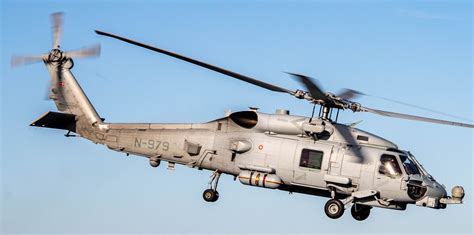
Reaching flag officer rank represents a dramatic transformation in a naval aviator’s career. Rear Admirals are no longer tactical squadron leaders. Instead, they oversee major operational organizations that influence naval strategy across entire regions of the world.
In 2026, Rear Admirals earn between $12,803 and $18,458 per month, translating into approximately $153,600 to $221,500 annually in base pay before allowances and executive benefits.
At this level, former pilots may command Carrier Strike Groups, naval aviation forces, regional fleet commands, or joint operational structures involving thousands of personnel and billions of dollars in military assets.
Although their daily responsibilities become heavily administrative and strategic, many Rear Admirals maintain strong ties to aviation communities. Some continue participating in familiarization flights or aviation inspections, particularly when evaluating readiness standards across operational units.
The aviation expertise of Rear Admirals carries enormous strategic value. Modern naval warfare increasingly depends on integrated air power, long-range surveillance, unmanned systems, and carrier-based strike capabilities. Leaders with firsthand combat aviation experience are uniquely positioned to shape procurement decisions and future doctrine.
Recent Navy modernization efforts involving unmanned carrier aircraft, sixth-generation fighter development, and advanced electronic warfare systems have relied heavily on senior aviators with operational backgrounds. Their combat experience often influences decisions affecting the future of American naval dominance in the Pacific and beyond.
Rear Admirals also serve as crucial intermediaries between frontline operational forces and Pentagon leadership. Their ability to translate tactical aviation realities into strategic policy recommendations makes them highly influential figures within the defense establishment.
Vice Admiral (O-9): Elite Three-Star Officers Overseeing Naval Air Power
Vice Admirals rank among the most senior military officers in the United States Navy. For aviators, achieving three-star status is exceptionally rare and represents the culmination of decades of operational excellence and leadership performance.
Vice Admirals earn between $18,096 and $18,491 monthly in 2026, equaling approximately $217,200 to $221,900 annually in base salary.
At this level, compensation differences narrow due to federal executive pay caps applied to senior military officers. Even so, Vice Admirals remain among the highest-paid uniformed personnel in the US government.
Aviation-background Vice Admirals often oversee fleet commands, major naval aviation headquarters, or joint military structures coordinating operations across multiple branches of the armed forces. Their decisions affect deployment readiness, aircraft procurement, pilot retention policies, and long-term force structure planning.
Many of these officers built their careers flying carrier-based aircraft during periods of intense operational activity. Their experience may include combat missions, multinational exercises, maritime deterrence patrols, and strategic deployments throughout Europe, the Middle East, and the Indo-Pacific.
Unlike earlier career stages, active flying becomes extremely limited at this rank. The job is overwhelmingly focused on strategic leadership, interservice coordination, and defense planning. Nevertheless, aviation experience continues shaping how these leaders approach military readiness and future operational challenges.
As global competition intensifies in regions like the South China Sea and Arctic maritime corridors, Vice Admirals with aviation expertise play a central role in determining how US naval air power evolves during the coming decades.
Admiral (O-10): The Highest Paid Navy Pilot Rank In 2026
At the top of the Navy hierarchy sits the four-star Admiral rank, one of the most prestigious and exclusive positions in the American military system.
In 2026, Admirals receive up to $18,808 per month in base pay due to Executive Schedule Level II compensation caps. Annual base salary reaches approximately $225,700 before allowances and additional benefits.
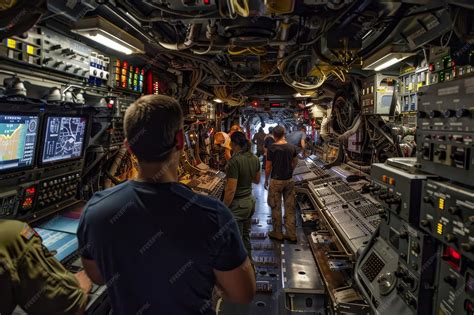
For naval aviators, reaching O-10 represents the ultimate career achievement. These officers oversee global military operations, major combatant commands, joint strategic structures, and massive defense organizations responsible for worldwide security operations.
Many four-star Admirals who began as Navy pilots spent decades flying combat aircraft before transitioning into progressively larger command assignments. Their operational credibility often stems from years of carrier deployments, combat missions, and aviation leadership positions accumulated earlier in their careers.
Although active flying duties become nearly nonexistent, some Admirals maintain aviation qualifications and occasionally participate in official flights under controlled circumstances. More importantly, their understanding of naval aviation remains deeply embedded in strategic military planning.
Modern naval aviation faces enormous technological transformation. Artificial intelligence integration, unmanned combat aircraft, hypersonic threats, advanced electronic warfare systems, and sixth-generation fighters are reshaping the future battlefield. Admirals with aviation backgrounds are responsible for guiding the Navy through this transition while maintaining operational superiority against increasingly capable rivals.
The role demands constant coordination with allied militaries, defense contractors, intelligence agencies, and civilian leadership within the Department of Defense. Every major aviation procurement program, deployment strategy, and readiness initiative ultimately flows through the decision-making structures overseen by senior Admirals.
Their salaries reflect not merely years of service, but the extraordinary scale of responsibility associated with commanding one of the world’s most powerful military aviation forces.
The Real Financial Reality Of A Navy Aviation Career
The salary structure of US Navy pilots reveals an important truth about military aviation careers. Tactical flying may define the early years, but leadership determines long-term earning potential.
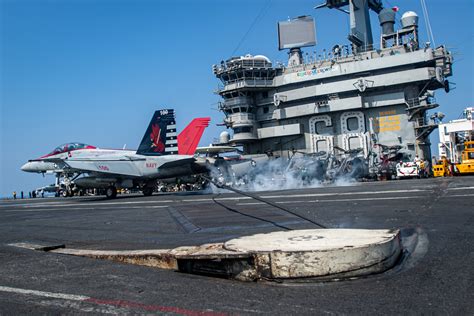
A young fighter pilot launching from an aircraft carrier may represent the public image of naval aviation, yet the highest-paid aviators are the officers who successfully transition from cockpit expertise into operational command and strategic leadership.
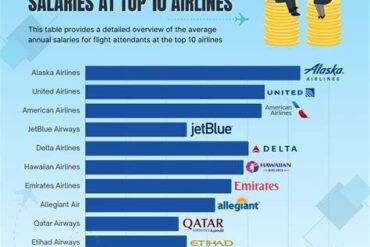
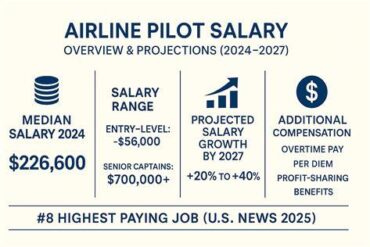
By 2026, military planners continue facing intense competition from commercial airlines and private aerospace employers seeking experienced pilots. Retaining seasoned naval aviators has become a growing challenge, especially as airline salaries rise globally. The Navy’s expanded compensation packages, retention incentives, and leadership pay increases are designed to address that pressure while preserving combat readiness.
For those who remain in uniform long enough to climb the upper ranks, the rewards become substantial. Beyond salary alone, these officers gain influence over national defense strategy, naval aviation modernization, and the future direction of American military power.
From Commander to Admiral, the highest-paid Navy pilot ranks represent far more than financial milestones. They embody decades of operational discipline, combat experience, leadership performance, and strategic responsibility accumulated across one of the most demanding professions in the world.