The economics of aviation have shifted dramatically in the years following the global travel rebound, and nowhere is that transformation more visible than in the cockpit of a long-haul aircraft. In 2026, widebody captains at major U.S. airlines are no longer just well-compensated professionals—they are among the highest-paid operators in any transportation sector, with total annual earnings frequently exceeding $400,000 and, in some cases, pushing well beyond half a million dollars.
This surge in compensation is not an anomaly or a short-term spike. It is the result of structural changes across the aviation industry: a sustained pilot shortage, fierce competition for experienced talent, and the critical role that long-haul flying plays in airline profitability. Widebody aircraft generate some of the highest yields per flight, and the captains entrusted with these operations are compensated accordingly.
Understanding how these salaries are structured—and why certain airlines consistently lead the rankings—reveals not just who pays the most, but how modern airline economics reward experience, leadership, and operational complexity.
Why Widebody Captains Command Elite-Level Compensation
The journey to becoming a widebody captain is long, demanding, and intensely selective. Pilots do not simply arrive at this level; they accumulate years—often decades—of experience, progressing through regional jets, narrowbody fleets, and first officer roles before ever occupying the left seat of a long-haul aircraft.
By the time a pilot reaches this position, they typically possess between 5,000 and 10,000 flight hours, along with deep familiarity with advanced avionics, international procedures, and multi-crew coordination. Airlines are not merely paying for technical skill—they are investing in proven decision-makers capable of managing high-risk, high-value operations across continents.
The scale of responsibility is immense. A widebody captain may oversee flights lasting 12 to 16 hours, carrying hundreds of passengers across multiple jurisdictions. Every decision—whether related to weather deviations, fuel management, or emergency response—carries significant operational and financial consequences.
Beyond technical expertise, these captains function as leaders, coordinating with multinational crews, air traffic control systems, and airline operations centers. The role demands composure, precision, and accountability at a level comparable to senior executives in other industries.
The Post-Pandemic Pay Surge and Industry Economics
The sharp rise in pilot compensation did not occur in isolation. It is tied directly to broader industry dynamics that have reshaped labor markets across aviation. A global shortage of qualified pilots—exacerbated by early retirements, training bottlenecks, and surging travel demand—has forced airlines into aggressive competition for talent.
In the United States, strong union representation has amplified this trend. Pilot unions have successfully negotiated contracts that include not only higher base salaries but also enhanced retirement contributions, profit-sharing mechanisms, and quality-of-life improvements.
These agreements have fundamentally altered compensation structures. Instead of relying solely on base pay, airlines now offer multi-layered packages that reward both performance and longevity. Profit-sharing, in particular, has become a powerful driver of total earnings, allowing pilots to directly benefit from airline profitability.
As a result, the headline figure of a captain’s salary often understates their true earning potential. When retirement contributions—sometimes exceeding 15% or even 18%—and annual bonuses are included, total compensation can rise dramatically.
American Airlines: The Peak of Earning Potential
At the top of the compensation hierarchy sits American Airlines, where widebody captains enjoy some of the highest base salaries in global aviation. A senior captain with approximately 12 years in command can earn a base salary approaching $469,590, placing the airline firmly at the pinnacle of fixed pay.
This figure alone is impressive, but it only tells part of the story. When profit-sharing payouts and retirement contributions are added, total annual compensation can exceed $540,000 in strong financial years. These numbers position American’s widebody captains among the highest-paid aviation professionals worldwide.
The airline’s extensive international network plays a crucial role in supporting these earnings. With a vast fleet operating across transatlantic and transpacific routes, captains have consistent access to high-value flying. This translates into stable schedules, frequent long-haul assignments, and sustained income at the upper end of the pay scale.
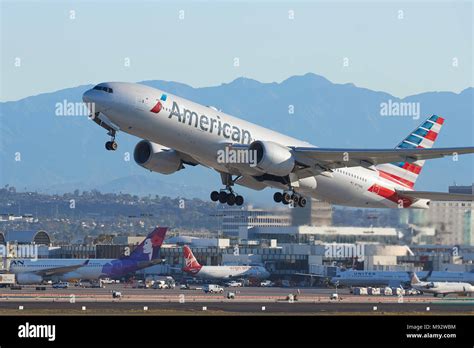
The scale of operations also provides a unique advantage: senior captains can optimize their schedules to maximize earnings while maintaining predictable work patterns. This balance between income potential and operational stability is a defining feature of American’s compensation model.
Delta Air Lines: Consistency and Profit-Sharing Power
Closely following is Delta Air Lines, which offers one of the most balanced compensation structures in the industry. With base salaries exceeding $465,000 for experienced widebody captains, Delta remains highly competitive on fixed pay alone.
However, the airline’s defining strength lies in its profit-sharing program. In profitable years, these payouts can significantly elevate total earnings, often pushing overall compensation beyond the $500,000 mark. This model aligns pilot income directly with company performance, creating a powerful incentive structure.
Delta’s approach emphasizes consistency. Rather than relying solely on peak earning potential, the airline provides steady, predictable compensation across economic cycles. This reliability makes it particularly attractive to pilots seeking long-term financial stability.
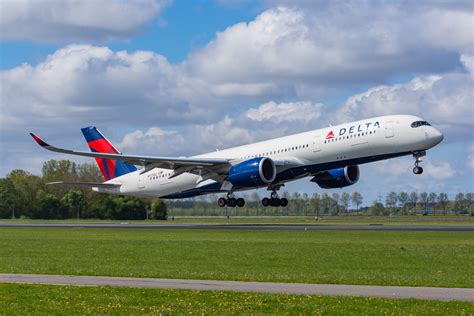
The airline’s global reach further enhances its appeal. With a strong presence across Europe, Asia, and emerging long-haul markets, Delta ensures a continuous demand for experienced captains. This operational scale supports both job security and sustained high earnings over time.
United Airlines: A Long-Term Wealth Strategy
United Airlines takes a slightly different approach, emphasizing long-term financial growth over headline base salary. A 12-year widebody captain earns approximately $352,000 in base pay—lower than its closest competitors—but the overall compensation picture tells a more compelling story.
United’s standout feature is its industry-leading retirement contribution system. With direct 401(k) contributions ranging from 16% to 18%, the airline provides one of the most generous long-term wealth-building mechanisms in aviation.
When combined with profit-sharing and additional benefits, total annual compensation comfortably exceeds $400,000. Over the course of a career, these contributions can accumulate into substantial financial reserves, making United particularly attractive to pilots focused on retirement security.
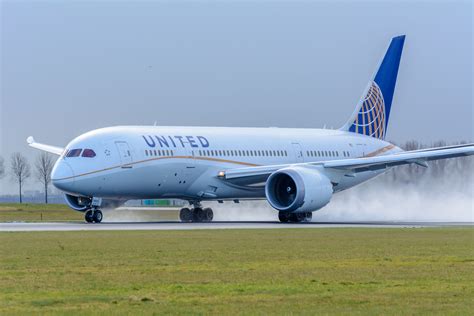
The airline’s expansive international network reinforces this value proposition. With routes spanning multiple continents, widebody captains have access to consistent long-haul flying, ensuring stable income and career longevity.
Hawaiian Airlines: Competitive Pay Meets Lifestyle Appeal
Hawaiian Airlines occupies a unique niche within the U.S. aviation landscape. While its widebody fleet is smaller, the airline still offers competitive compensation, with senior captain salaries ranging from $374,000 to $407,000.
Although total earnings may not reach the same heights as larger legacy carriers, Hawaiian provides distinct advantages that extend beyond financial metrics. The airline’s route structure—centered around Hawaii and transpacific destinations—offers a lifestyle that many pilots find highly desirable.
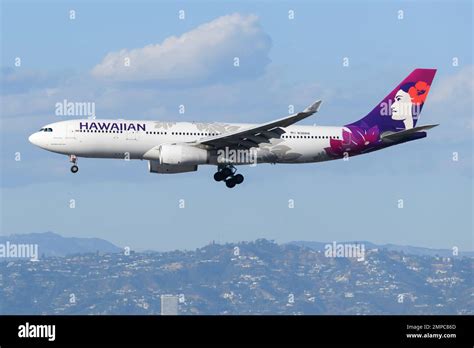
Flying long-haul routes to Asia and the U.S. mainland, captains experience a blend of operational complexity and scenic flying unmatched by most domestic-focused carriers. This combination of competitive pay and quality of life makes Hawaiian a compelling option for pilots prioritizing balance over maximum earnings.
Alaska Airlines: A New Entrant in the Widebody Arena
The emergence of Alaska Airlines as a widebody operator marks a significant shift in its business model. Historically focused on narrowbody operations, the airline has expanded into long-haul flying following its integration with Hawaiian Airlines.
This transition introduces new earning opportunities for captains, with salaries ranging from $325,000 to $407,000 depending on seniority and operational factors. While slightly lower on average than legacy carriers, these figures remain highly competitive within the broader market.
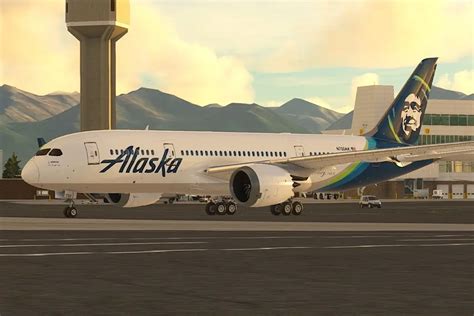
What makes Alaska particularly interesting is its growth trajectory. As the airline continues to expand its long-haul network and integrate widebody operations, compensation structures are likely to evolve. Increased exposure to international routes and higher-revenue markets could drive future pay increases.
Additionally, pilots may benefit from accelerated career progression as the airline builds its widebody fleet, creating new opportunities for advancement and higher earnings.
Breaking Down the Pay Hierarchy in 2026
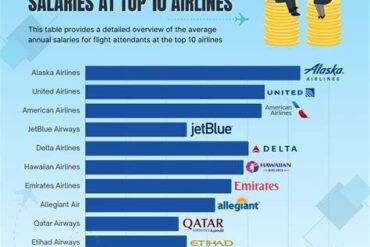
The current ranking of U.S. airlines by widebody captain compensation highlights both the diversity and competitiveness of the market:
- American Airlines leads with the highest overall earning ceiling, exceeding $540,000 in strong years
- Delta Air Lines offers consistent high pay with industry-leading profit-sharing
- United Airlines emphasizes long-term wealth through exceptional retirement contributions
- Hawaiian Airlines balances competitive salaries with lifestyle advantages
- Alaska Airlines emerges as a growing contender in the widebody segment
Each airline’s approach reflects a different philosophy, from maximizing immediate income to prioritizing long-term financial security or lifestyle considerations.
What These Salaries Reveal About the Future of Aviation
The rise of $400,000+ compensation packages is more than just a headline—it signals a fundamental shift in how airlines value experience and operational expertise. Widebody captains are no longer just senior pilots; they are critical assets in an industry where reliability, safety, and efficiency directly impact profitability.
As global travel demand continues to grow, long-haul operations will remain central to airline strategies. This ensures sustained demand for experienced captains and continued upward pressure on compensation.
At the same time, the structure of these pay packages is likely to evolve. Airlines will continue refining the balance between base salary, performance incentives, and retirement benefits, seeking to attract and retain top talent while managing costs.
For aspiring pilots, the message is clear: the path to the left seat of a widebody aircraft is demanding, but the rewards—both financial and professional—are greater than ever before.
And for the industry as a whole, these salaries underscore a simple truth: in the high-stakes world of global aviation, experience is not just valued—it is extraordinarily well paid.