The economics of aviation have always been layered, but in 2026, one segment stands out with unmistakable clarity: widebody cargo pilots are among the highest-paid professionals in the skies. While commercial passenger pilots often dominate headlines, those quietly flying freight across continents—through the night, across time zones, and into the backbone of global trade—are commanding compensation packages that rival top-tier corporate roles.
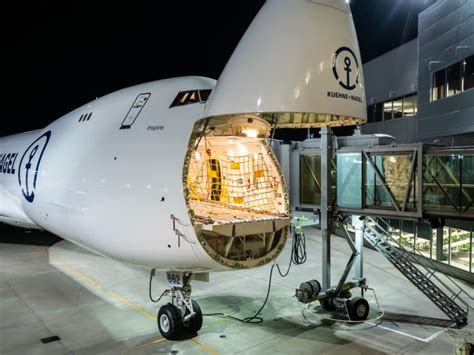
This shift is not accidental. It reflects a structural transformation in global logistics, where time-sensitive cargo, e-commerce demand, and integrated supply chains have elevated the importance of freight operations. Widebody freighters such as the Boeing 747-8F and Boeing 777F are now essential tools of globalization, and the pilots who operate them are compensated accordingly.
By 2026, the salary landscape for these pilots reveals a compelling story of rapid career progression, high base pay, and substantial long-term financial upside. From entry-level first officers to senior captains earning well into the six figures, cargo aviation offers one of the most lucrative trajectories in the industry.
Entry-Level Earnings: First Officer Salaries Set a Strong Foundation
The journey begins in the right seat. As a widebody cargo first officer, pilots in 2026 already step into a compensation bracket that surpasses many other aviation roles. Annual salaries typically range between $90,000 and $140,000, depending on airline, aircraft assignment, and seniority.
This range places cargo first officers in an enviable position. In fact, many earn more than regional airline captains and sit close to early-career pilots at major passenger airlines. But base salary tells only part of the story.
Cargo operations introduce unique earning dynamics. Flights often operate during overnight windows, across long-haul international routes, and under tight logistical schedules. These conditions unlock additional compensation layers:
- Per diem allowances for time away from base
- Overtime pay for extended duty periods
- Premium pay for international or undesirable schedules
For pilots willing to embrace unconventional hours, the financial upside becomes immediately apparent. A first officer flying a long-haul route on a 777F may see total compensation climb significantly above base figures within just a few years.
Aircraft type also plays a decisive role. Larger freighters command higher pay scales, meaning ambitious pilots have a clear incentive to bid for widebody assignments early. The result is a career entry point that is not only stable but strategically aligned for rapid income growth.
The Captain Upgrade: Where Salaries Surge Dramatically
The defining financial leap in a cargo pilot’s career comes with the transition to captain. In 2026, this upgrade transforms earnings almost overnight, with annual salaries jumping to between $180,000 and $300,000, and often beyond.
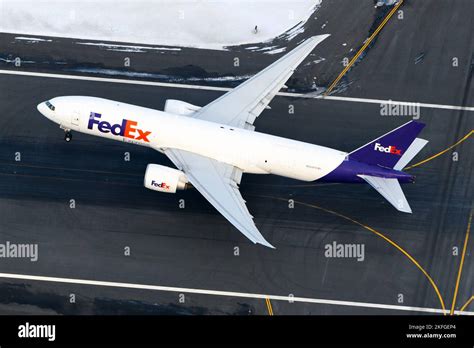
At the industry’s top tier, FedEx Express and UPS Airlines dominate the compensation landscape. These integrators operate vast, highly optimized logistics networks, and they reward experience accordingly.
A captain flying a Boeing 747-8F at UPS can earn approximately $34,000 per month, translating into a base salary exceeding $400,000 annually when factoring in additional pay components. Meanwhile, a comparable FedEx captain earns around $30,500 monthly, placing them firmly in the upper echelon of aviation salaries.
Seniority amplifies these figures. At FedEx, a captain with six years in command earns roughly $287,566, increasing to over $300,000 by year twelve. UPS pushes even higher, with six-year captains earning about $358,789 and twelve-year captains approaching $375,472.
What makes this progression particularly compelling is its consistency and predictability. Unlike some industries where income fluctuates, cargo pilot pay scales are structured, transparent, and tied directly to experience and aircraft type.
The gap between cargo and passenger airline salaries has narrowed significantly, and in many cases, cargo pilots now out-earn their passenger counterparts, especially on long-haul international routes. The operational complexity of managing heavy freighters across global networks justifies this premium—and airlines have little incentive to reduce it.
Top-Tier Compensation: How Senior Captains Exceed $450,000
At the highest levels, widebody cargo pilots enter a rarefied financial category. Senior captains at major carriers can exceed $450,000 annually in total compensation, a figure that places them alongside senior executives in other industries.
This level of income is not driven by base salary alone. Instead, it reflects a combination of:
- Overtime opportunities tied to high-demand routes
- International flying premiums
- Performance bonuses and incentives
- Strategic schedule bidding that maximizes flight hours
Equally important is the strength of retirement packages. For example, FedEx offers a combination of 401(k) contributions and a defined benefit pension, a structure that has largely disappeared elsewhere in aviation. This dual approach provides both immediate income and long-term financial security.
Another overlooked advantage is schedule control. Senior captains gain the ability to optimize their rosters, choosing routes and patterns that balance income with personal time. This flexibility allows experienced pilots to fine-tune their careers, maximizing earnings while maintaining a sustainable lifestyle.
Long-haul international flying further enhances compensation. Extended duty periods, higher hourly rates, and additional allowances combine to create a pay structure that consistently rewards experience and availability.
Mid-Tier Cargo Airlines: Competitive but Distinct Pay Scales
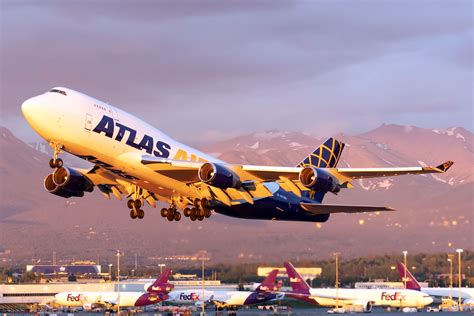
While giants like FedEx and UPS set the benchmark, other cargo carriers also offer strong compensation. Airlines such as Atlas Air and Kalitta Air play critical roles in global freight networks and employ a substantial number of widebody pilots.
At Atlas Air, senior captains earn around $172,000 annually, while Kalitta Air offers top earnings closer to $266,000. These figures, while lower than integrator giants, remain highly competitive within the broader aviation market.
The differences stem from operational models. Major integrators operate end-to-end logistics systems, ensuring consistent demand and stable revenue streams. In contrast, mid-tier carriers often rely on contract flying and charter operations, which can introduce variability in schedules and income.
Despite slightly lower pay, these airlines provide valuable opportunities. Many pilots use them as stepping stones, gaining widebody experience, international exposure, and flight hours necessary to transition into higher-paying roles.
Interestingly, not all pilots choose to leave. Some remain due to lifestyle preferences, flexible schedules, or specific route assignments. In these cases, the overall career package—not just salary—becomes the deciding factor.
Rapid Career Progression: The Fast Track to High Earnings
One of the most compelling advantages of cargo aviation is the accelerated path to captaincy. In 2026, pilots at major cargo airlines typically upgrade within five to eight years, significantly faster than the ten to fifteen years common at legacy passenger carriers.
This difference has profound financial implications. Since the largest salary increases occur at the captain level, reaching that position earlier translates into millions of dollars in additional lifetime earnings.
Several factors drive this rapid progression:
- Sustained demand for air freight, fueled by e-commerce and global trade
- Fleet expansion at major cargo operators
- Pilot retirements, creating consistent vacancies
- Operational models that require steady staffing across global routes

Beyond financial benefits, early command brings professional rewards. Captains assume full responsibility for aircraft, crew, and mission execution, elevating both authority and recognition within the industry.
Of course, the role demands more. Decision-making under pressure, managing complex logistics, and ensuring safety across long-haul operations require a high level of expertise. The compensation reflects not just experience, but the weight of responsibility carried on every flight.
Why Cargo Pilots Hold a Strategic Advantage in 2026
In today’s aviation landscape, widebody cargo pilots occupy a uniquely powerful position. Their work underpins the global economy, ensuring that goods—from medical supplies to high-value electronics—move efficiently across continents.
This strategic importance translates directly into compensation. From first officers earning six figures early in their careers to captains surpassing $400,000 annually, the financial trajectory is both steep and sustained.
The dominance of major players like FedEx Express and UPS Airlines highlights how scale and integration drive higher pay. Their networks operate continuously, requiring skilled pilots who can navigate complex international operations with precision.
What truly sets cargo aviation apart, however, is the combination of factors rarely found together:
- High base salaries
- Fast career progression
- Strong retirement benefits
- Global flying opportunities
- Flexible scheduling at senior levels
For pilots evaluating long-term career options, the equation is increasingly clear. Cargo aviation offers not just competitive pay, but a structured pathway to exceptional earnings and financial stability.
The skies may look the same from the cockpit, but in 2026, the economics behind them tell a very different story.