Canada’s aviation sector in 2026 presents a fascinating paradox: a profession widely regarded as prestigious and technically demanding, yet marked by significant salary variation depending on experience, aircraft type, and employer class. From newly licensed pilots earning modest hourly wages to seasoned airline captains commanding salaries approaching a quarter-million dollars, the compensation landscape is both dynamic and layered.
The average professional pilot in Canada earns just above six figures annually, placing the country comfortably within the upper tier of global aviation pay scales. Yet, compared to the United States—where top-tier pilots can exceed $350,000 USD annually—Canada’s compensation appears restrained. This disparity has become a focal point for labor negotiations, retention strategies, and long-term workforce planning within the industry.
Recent developments have dramatically reshaped the financial outlook for Canadian pilots. A near-strike involving approximately 5,000 unionized Air Canada pilots culminated in a landmark agreement that delivered a 42% salary increase over four years. This milestone not only elevated earnings but also underscored the growing leverage pilots hold in an industry grappling with persistent labor shortages.
Understanding Canadian Pilot Salary Structures by Operator Class
Pilot salaries in Canada are not determined by a single standard but instead follow a structured classification system defined by the Canadian Aviation Regulations (CARs). These categories—702, 703, 704, and 705 operators—differentiate employers based on aircraft size, mission type, and passenger capacity.
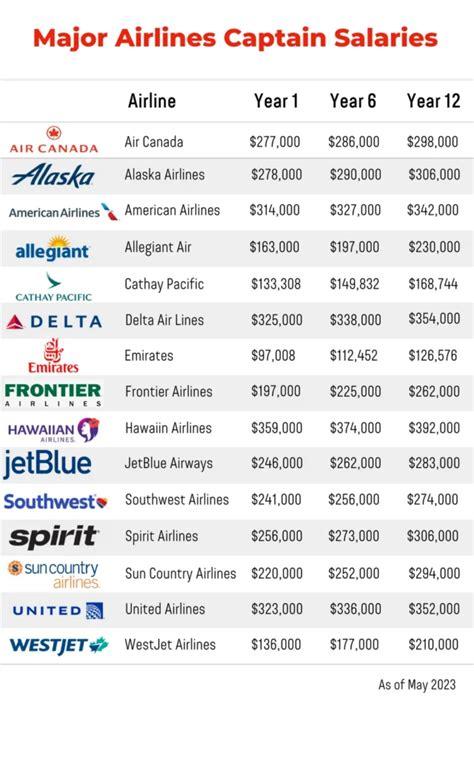
At the top of this hierarchy are 705 operators, which include major airlines such as Air Canada, WestJet, and Porter Airlines. These companies operate large passenger jets and offer the highest compensation levels in the industry. Salaries within this category can range from $40,000 for entry-level first officers to $250,000 for senior captains.
Below this tier, 704 operators manage regional flights and smaller aircraft, typically offering salaries between $40,000 and $95,000. These roles often serve as stepping stones for pilots aiming to transition into major airline positions.
Further down, 703 operators, known as air taxi services, provide flexible charter operations with salaries generally topping out around $70,000. Finally, 702 operators focus on specialized aviation tasks such as aerial surveying or firefighting, where earnings usually remain under $55,000.
This structured progression highlights a critical truth: pilot income in Canada is deeply tied to experience, aircraft complexity, and operational responsibility.
The High-End Earnings: Inside 705 Airline Pilot Salaries
For pilots who reach the pinnacle of commercial aviation, the rewards are substantial. Airline captains operating under 705 carriers represent the highest-paid segment of the profession. These individuals command sophisticated aircraft such as the Boeing 737 MAX, Airbus A220, and Airbus A321neo, often transporting hundreds of passengers across international routes.
Hourly wages for top-tier pilots can reach $100 per hour, with annual salaries climbing toward $250,000 CAD. These figures reflect not only technical expertise but also years—often decades—of accumulated flight experience.
The path to this level is anything but quick. Pilots must progress through multiple certifications, accumulate thousands of flight hours, and demonstrate consistent performance under high-pressure conditions. However, once achieved, the position offers both financial stability and professional prestige.
Regional Airlines and Mid-Tier Opportunities
Regional aviation plays a vital role in Canada’s vast geography, connecting smaller communities to major urban centers. Airlines operating under CAR 704 provide essential services using aircraft such as the Beechcraft 1900 and Cessna 408 SkyCourier.
While salaries in this segment are more modest, they offer invaluable experience. Pilots typically earn between $40,000 and $95,000, depending on tenure and aircraft type. These roles often involve shorter routes, more frequent takeoffs and landings, and exposure to diverse weather conditions—particularly in northern regions.
Employers like North-Wright Air exemplify the importance of regional carriers. Serving remote communities in the Northwest Territories, such operators rely on skilled pilots capable of handling rugged environments, including gravel runways and extreme weather conditions.
Air Taxi Operations: Flexibility Meets Skill Development
The 703 air taxi sector represents one of the most diverse and operationally flexible segments of Canadian aviation. Pilots in this category often fly aircraft such as the Beechcraft King Air, Pilatus PC-12, and light business jets like the Cessna Citation.
Unlike scheduled airline operations, air taxi pilots operate on-demand flights, catering to private clients, cargo missions, and medical evacuations. Salaries typically range from $40,000 to $70,000, but the real value lies in the rapid accumulation of flight hours and varied operational experience.
Companies such as Fast Air, with bases in major cities like Toronto and Vancouver, demonstrate the versatility of this sector. Pilots here must be adaptable, capable of handling last-minute changes, and comfortable interacting directly with passengers.

Specialized Aviation Roles and Entry-Level Pathways
At the foundation of the aviation career ladder are 702 operators, where pilots engage in specialized missions. These include aerial surveys, wildfire suppression, banner towing, and parachute operations. While salaries are comparatively lower—generally between $40,000 and $55,000—these roles are essential for building initial flight experience.
Entry-level pilots often begin as flight instructors, earning around $25 to $30 per hour. This phase is critical, not just for logging hours but for refining technical skills and developing decision-making abilities.
Despite the modest pay, these early roles serve as the gateway to more lucrative opportunities. The aviation industry values experience above all else, making every logged hour a step toward higher earnings.
The Impact of Pilot Shortages on Salaries
One of the defining forces shaping pilot salaries in Canada is the ongoing global pilot shortage. This issue, which predates the COVID-19 pandemic, has intensified as travel demand rebounds and airlines expand operations.
Canadian carriers face increasing competition from international airlines—particularly in the United States—where significantly higher salaries attract experienced pilots. This has forced domestic airlines to rethink compensation structures, benefits, and career progression pathways.
Government initiatives aimed at expanding pilot training programs and reducing barriers to entry are beginning to take shape. However, training a commercial pilot is a time-intensive process, meaning the supply-demand imbalance is likely to persist in the near term.
Comparing Canada to Global Pilot Salaries
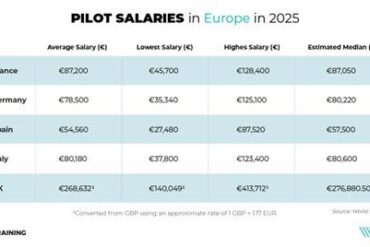
While Canada offers competitive pay, it occupies a middle ground in the global aviation market. The United States remains the undisputed leader, with top pilots earning up to $400,000 USD annually. Meanwhile, salaries in the Asia-Pacific region often fall to roughly half of U.S. levels.
Canada’s position reflects a balance between strong labor protections, high training standards, and a relatively smaller domestic market. For many pilots, the decision to remain in Canada or seek opportunities abroad hinges on factors beyond salary, including lifestyle, job stability, and career progression.
Career Progression: From Student Pilot to Captain
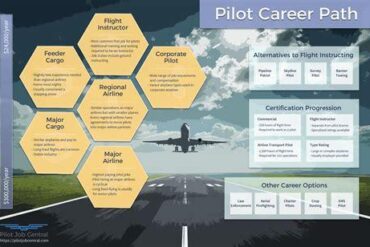
The journey from aspiring aviator to airline captain is both structured and demanding. After completing flight school, pilots typically begin in entry-level roles before advancing through regional airlines and eventually securing positions with major carriers.
A common pathway includes:
- Flight instruction or specialized entry-level flying
- Transition to regional airline first officer
- Upgrade to captain within regional operations
- Move to a major airline as a first officer
- Final promotion to senior captain
Each stage represents a significant increase in both responsibility and compensation. Notably, once a pilot is certified on one type of commercial jet, transitioning to larger aircraft does not necessarily require starting from scratch, streamlining career advancement.
Understanding fleet compositions—such as Air Canada’s Airbus A220 and Boeing 737 fleet or WestJet’s extensive 737 operations—can provide strategic advantages when planning a career trajectory.
The Future of Pilot Salaries in Canada
Looking ahead, the outlook for pilot salaries in Canada remains strong. Continued demand for air travel, combined with structural workforce shortages, is expected to sustain upward pressure on wages. Labor unions are likely to play a pivotal role in securing further gains, while airlines will continue investing in training and retention programs.
Technological advancements, including automation and next-generation aircraft, may reshape certain aspects of the profession. However, the fundamental need for skilled human pilots remains firmly intact.
Ultimately, aviation in Canada offers a compelling blend of financial reward, professional growth, and global mobility. For those willing to navigate the long and demanding path to the cockpit, the payoff—both financially and personally—can be extraordinary.