In 2025, UK pilot salaries continue to attract global attention, not only because of their variability across roles and sectors, but also due to the unique career trajectories and opportunities within the aviation industry. From commercial airliners to cargo freighters and private jets, pilot pay is shaped by a range of critical factors — including experience, aircraft type, location, and employer. Understanding these nuances offers a powerful lens into what aspiring and current pilots can expect from their profession in today’s competitive environment.
The UK in Context: Competitive but Not Top-Tier Globally
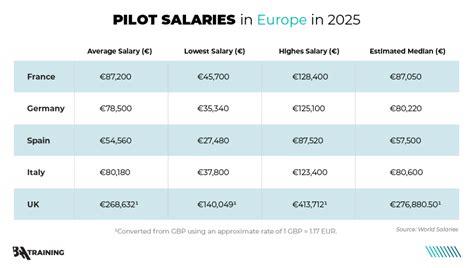
Although the UK ranks among the higher-paying countries in Europe, it lags behind Switzerland and Germany in gross salary terms. The average UK pilot earns approximately £78,146 (€90,253), though this figure masks significant disparities depending on seniority and job type. Captains on long-haul flights for major airlines often break through the £150,000 mark, while entry-level second officers might earn as little as £24,000 annually.
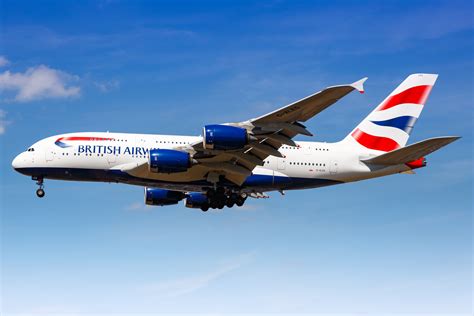
This gap underscores how pivotal rank, aircraft class, and the type of airline are in shaping pilot income. For example, long-haul aircraft captains, such as those flying the Boeing 777 or Airbus A380, can command salaries upwards of €18,000 per month, while their regional counterparts earn significantly less. In essence, larger planes and longer routes correlate directly with larger paychecks.
The Hierarchical Pay Structure
The aviation profession maintains a well-defined salary hierarchy. Salaries vary across five major aircraft classes: commercial long-haul, commercial short-haul, cargo, regional, and private aviation. Below are average monthly gross salaries for each category in 2025:
| Aircraft Class | Rank | Average Monthly Gross Salary (€) |
|---|---|---|
| Commercial Long-Haul | First Officer | €7,700 – €11,500 |
| Captain | €10,300 – €18,000 | |
| Commercial Short-Haul | Second Officer | €3,100 |
| First Officer | €4,400 – €7,300 | |
| Captain | €8,200 – €13,500 | |
| Cargo | Second Officer | €3,000 |
| First Officer | €5,700 – €7,500 | |
| Captain | €10,600 – €15,300 | |
| Regional | Second Officer | €2,000 |
| First Officer | €3,100 – €4,500 | |
| Captain | €5,300 – €7,700 | |
| Private Aviation | First Officer | €3,800 – €5,300 |
| Captain | €6,300 – €8,800 |
While long-haul captains clearly dominate the top end of the pay scale, cargo pilots, particularly those at senior levels, can out-earn some passenger pilots due to the demanding and often nocturnal nature of their work.
Flight Hours, Not Just Flight Plans: Breaking Into the Industry
The path to a lucrative pilot career in the UK is marked by both financial and time commitments. Aspiring commercial pilots typically face a daunting gap between qualification and employability, particularly the need to accumulate over 1,500 flight hours to obtain an unfrozen Airline Transport Pilot License (ATPL).
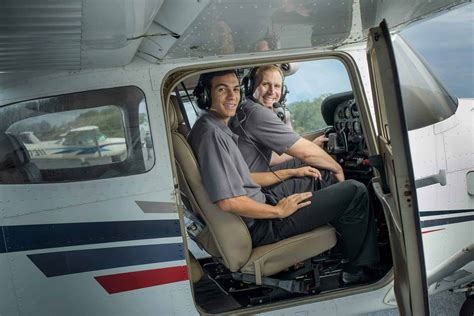
To bridge this gap, many new pilots become Certified Flight Instructors (CFIs) or take roles in General Aviation (GA) flying, banner towing, or survey flights. While these roles offer modest pay, they serve as critical stepping stones to positions with regional airlines — the common gateway to major carriers.
Once employed by a regional airline, pilots gradually build the multi-engine experience and certifications required to transition to larger, jet-powered aircraft, opening the door to significantly higher salaries and career progression.
From Frozen to Flying High: The ATPL Process
Achieving an unfrozen ATPL is a defining moment in a pilot’s career, enabling eligibility for captain roles. To do so, pilots must meet stringent flight hour requirements, including:
- 1,500 total flight hours
- 500 hours on multi-pilot aircraft
- 250 hours as Pilot in Command (PIC)
- 200 hours on cross-country flights
- 75 hours of instrument time
- 100 hours of night flying
Once these milestones are reached, and with airline-specific performance evaluations, promotion to captain becomes a possibility. However, this advancement is also dictated by broader market forces. For example, at major airlines like British Airways, moving from First Officer to Captain can take 5 to 20 years, depending on openings, seniority, and business conditions.
Flying Freighters: The Realities of Cargo Pilot Life
The air cargo industry provides an alternative path, often offering greater stability than passenger airlines. With a focus on logistical efficiency over customer service, cargo pilots benefit from a more predictable and technically oriented role.
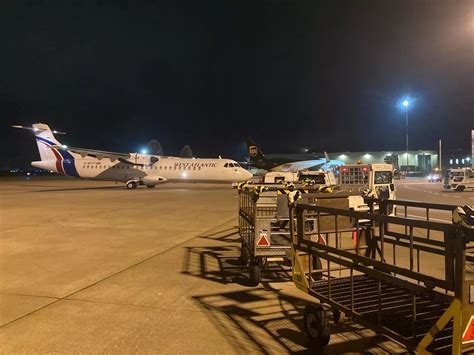
Despite often flying overnight, many pilots appreciate the reduced pressure compared to flying passengers. In some cases, senior cargo captains earn salaries comparable to commercial captains, especially during peak logistics periods.
Key UK-based cargo operators include:
- DHL Air UK
- West Atlantic UK
- European Cargo
- One Air
- IAG Cargo
These companies often serve as entry points for cadet pilots, offering career-building opportunities in a growing market that proved resilient even during the COVID-19 travel downturn.
Private Jets: Prestige, Pay, and Pressure
Flying private or business jets — often called bizjets — offers a different kind of prestige. This elite segment of aviation is inaccessible to most new pilots, typically requiring several years of experience and a sterling professional record.

Bizjet pilots must demonstrate impeccable discretion, grooming, and professionalism. Their passengers — often VIPs, executives, or celebrities — expect luxury and personalization, and flight schedules can be sporadic, with very short notice.
Despite the demanding nature of the job, the rewards are substantial. Captains can earn up to €8,800 per month, and in some cases receive generous tips. However, job availability in this space is limited, and most openings are filled via networking and referrals, rather than traditional job postings.
The London aviation market is a significant hub for private jet operations, with frequent flights to European capitals and exclusive resorts. This high-demand corridor adds to the competitiveness of the sector and the elevated expectations placed upon its pilots.
The Decline of the Military Pathway
Historically, military service was the dominant route into commercial aviation. Today, however, civilian training pathways have largely overtaken this tradition. While ex-military pilots still enjoy a respected status within the industry, most UK airline pilots now emerge from civilian flight schools.
This shift has implications for training institutions, which now cater more directly to aspiring pilots seeking a structured progression from theoretical exams to commercial licenses. It has also diversified the talent pool, with greater numbers entering aviation from non-traditional academic and socioeconomic backgrounds.
Economic Sensitivity and Career Progression Volatility
It is essential to understand that pilot careers are profoundly influenced by macroeconomic conditions. Airline profitability, consumer demand, and geopolitical events can all accelerate or delay promotions, shift route structures, or even trigger layoffs.
During economic downturns, cargo operations typically fare better, while luxury private jet travel might see reduced bookings. Conversely, in boom periods, competition for experienced captains can heat up, resulting in higher bonuses and faster advancement. Flexibility, multi-type certifications, and international experience can serve as insulation against market instability.
Conclusion: Choosing the Right Sky to Fly In
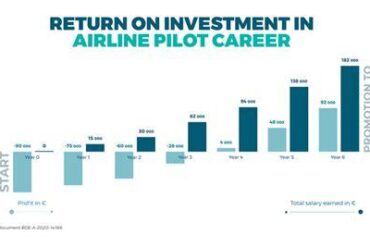
The 2025 UK pilot salary landscape presents both challenges and opportunities. For those just entering the field, the road is long, with significant upfront investment in training and a period of low income. Yet, for those who persist, the rewards are substantial — from flying state-of-the-art aircraft across continents to earning six-figure salaries in both passenger and cargo sectors.
Choosing the right sector — be it commercial, cargo, or private aviation — will depend on personal preferences, risk appetite, and professional goals. Each pathway offers a distinct lifestyle, pay structure, and career arc. Yet across all of them, one truth remains constant: becoming a pilot in the UK in 2025 is a prestigious, demanding, and ultimately fulfilling career choice for those with the discipline and passion to reach cruising altitude.