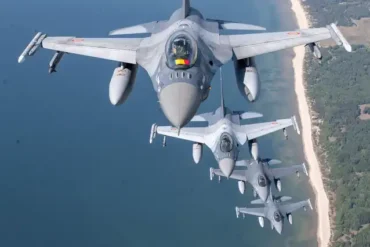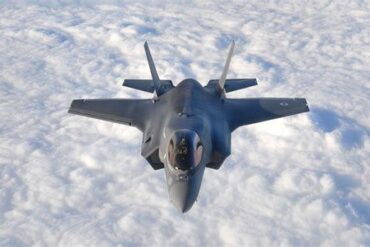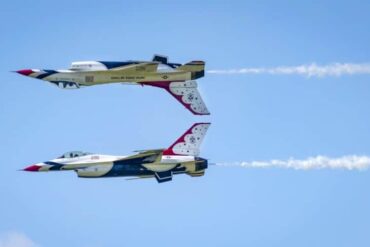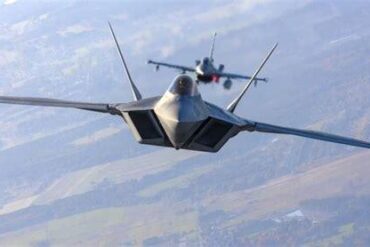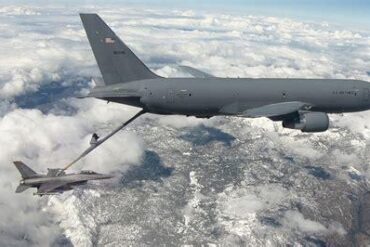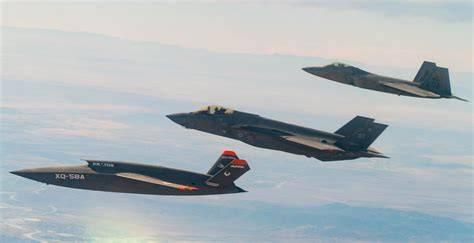
Fighter jets are often seen flying in pairs, whether during combat training, routine military operations, air shows, or ceremonial flyovers. Although the formation looks precise and dramatic, it serves a practical purpose that goes far beyond appearance. Fighter jets tend to fly in pairs because two aircraft can protect, support, and monitor each other more effectively than a lone fighter.
Why Fighter Jets Fly in Pairs
The central idea behind the two-ship formation is the wingman concept. One fighter acts as the flight lead while the second aircraft supports it from a nearby position. The two pilots divide their attention, allowing each to concentrate on different aspects of the mission while maintaining awareness of potential threats.
The lead pilot generally focuses on navigation, mission objectives, targets, and overall flight management. That concentration can make it difficult to constantly monitor everything happening around the aircraft. The wingman provides an additional set of eyes, watching the surrounding airspace and ground environment for threats that the leader might miss.
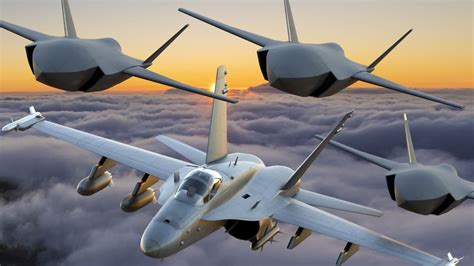
This arrangement creates a form of mutual protection. If one fighter encounters an enemy aircraft, missile threat, mechanical problem, or other danger, the second aircraft can react. The wingman may warn the leader, provide cover, or engage a threat depending on the tactical situation. The leader can perform the same function for the wingman.
How a Wingman Improves Situational Awareness
Modern fighter aircraft contain sophisticated radar, infrared sensors, electronic warfare systems, and data links, but technology does not eliminate the value of another pilot. Human situational awareness remains an important part of air combat.
A pilot operating alone must simultaneously manage the aircraft, sensors, communications, navigation, weapons, and tactical picture. Having another aircraft nearby distributes some of that workload. The wingman can monitor a different sector of airspace, identify suspicious activity, and communicate information to the flight leader.
The advantage becomes especially important during demanding combat missions. A fighter focused on attacking a target may have less attention available for threats approaching from another direction. A supporting aircraft can watch that vulnerable area and react more quickly.
Fighter Formations and Radar Confusion
Flying close together can also have advantages when facing ground-based air defenses. Historically, multiple aircraft operating in formation could complicate an enemy radar operator’s interpretation of the incoming force. Closely spaced aircraft could make it harder to determine the exact number, position, or identity of individual fighters.
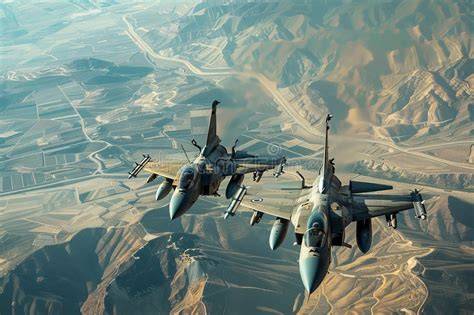
Modern technology has reduced some of these benefits. Advanced radar systems, data processing, electronic warfare, and stealth aircraft have changed how formations operate. Stealth and networked warfare now play a much larger role than simple radar confusion. Nevertheless, formation flying remains valuable because the fundamental need for mutual support has not disappeared.
From Crewed Wingmen to Loyal Wingman Drones
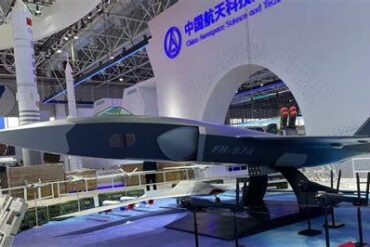
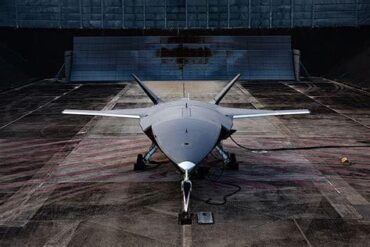
The traditional wingman concept may eventually change dramatically. The U.S. Air Force’s Collaborative Combat Aircraft (CCA) program is developing autonomous or semi-autonomous aircraft designed to operate alongside crewed fighters.
These aircraft are intended to perform roles that could previously require another manned fighter. A CCA could carry sensors or weapons, gather information, support electronic warfare, or potentially take greater risks than a crewed aircraft because no pilot would be inside.
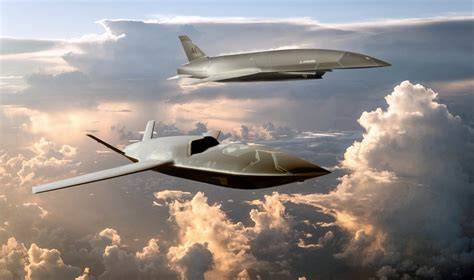
The concept introduces a striking possibility: the future wingman may not be another pilot at all. Aircraft such as the YFQ-42A and YFQ-44A represent efforts to turn the traditional two-aircraft combat partnership into a combination of a crewed fighter and an intelligent unmanned aircraft.
The biggest advantage is survivability. A CCA could potentially place itself between a threat and a crewed fighter, accepting a dangerous mission that would otherwise expose a human pilot. In this sense, the wingman concept remains unchanged even as the aircraft performing the role evolves.
Why the Two-Fighter Formation Still Matters
Fighter jets fly in pairs because combat aviation is fundamentally about cooperation rather than individual performance. A highly capable fighter is still limited by the pilot’s attention, perception, and ability to monitor an enormous tactical environment.
A wingman provides another perspective, another set of sensors, another aircraft, and another decision-maker. Whether that wingman is a human pilot today or an autonomous combat aircraft in the future, the underlying principle remains remarkably consistent: two aircraft working together can create a stronger and more resilient fighting force than either aircraft operating completely alone.