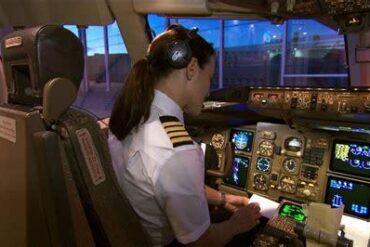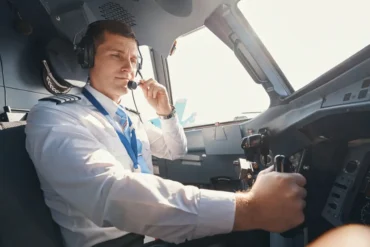
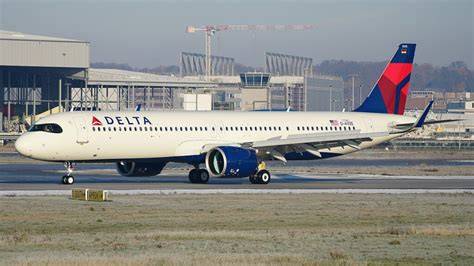
The account surfaced on the Black Box Aviation Podcast and spread quickly through aviation forums: a Delta Air Lines first officer on new-hire training lost his job after answering his cellphone while the aircraft was taxiing for departure. According to the podcast, the captain did not press on toward the runway. He turned the jet around, returned to the gate, had the first officer removed from the aircraft, and the new hire was subsequently dismissed. The podcast’s social post places the episode in Atlanta and describes it as the new hire’s first trip on the line, flying Initial Operating Experience (IOE) under the supervision of a check pilot. Delta has not confirmed the account, and the podcast supplied neither a flight number nor a date, so the timing of the alleged incident and the precise sequence of events remain unverified. “They were taxing out on his IOE … and his phone rang. He answered, while the captain taxied,” the podcast reported. “Captain goes back to the gate, has him removed, and he got fired.”
Why Taxiing Counts as a Critical Phase of Flight Under FAA Rules
Taxi is not dead time. Federal rules treat it as a critical phase of flight, and the sterile cockpit rule, in force since 1981 and now codified at 14 CFR 121.542, bars the pilot in command from permitting any activity that could distract flight crew members during taxi, takeoff, landing, and all other operations below 10,000 feet, except cruise flight. Congress went further in the FAA Modernization and Reform Act of 2012, making personal device use at the duty station unlawful for Part 121 flight crew members, and the 2014 final rule extended the prohibition on personal wireless devices to every phase of flight. That rule took effect April 14, 2014. It was prompted in part by NTSB recommendations following the 2009 Colgan accident and by taxi-phase incidents the FAA cited when announcing the change. The NTSB has separately urged operators to avoid nonoperational use of personal electronic devices whenever the sterile cockpit rule applies. FAA guidance applies the ban whether the device belongs to the pilot or the airline, permits use only under FAA-approved procedures such as electronic flight bags, and exempts a person on a jumpseat. An ordinary personal call falls outside those exceptions, which means the open question in a case like this is less about the regulation than about how an airline responds to a breach.
New-Hire Training and the Employment Consequences of a Single Call
New hires at airlines complete Initial Operating Experience, flying actual trips under a check pilot while learning to apply the carrier’s procedures, even when they arrive with substantial experience elsewhere. That supervised setting raises the stakes of a lapse considerably. Live And Let’s Fly argues that training is precisely when a new hire should demonstrate that he can be trusted to follow procedures, and because IOE flying is supervised by a check pilot, the captain’s report of the event would likely carry evaluative weight in any discipline decision. The public record does not describe who reviewed the report or what process preceded the dismissal, leaving the airline’s internal handling as opaque as the incident itself. What the episode does illustrate is that the first officer’s phone sat within reach during a phase where attention is legally mandated, and that a captain retains the authority—and arguably the duty—to halt a departure when that attention breaks down.

What Remains Unconfirmed About the Delta Phone Incident
The story’s power lies in its simplicity, but its gaps matter. No date, no flight number, no confirmation from Delta, and a single podcast as the originating source mean readers should treat the account as reported rather than established. The Atlanta setting and the “first trip on the line” detail come from the podcast’s own social post, not from an independent record. Still, the regulatory backdrop is concrete and well documented, and it explains why a phone call during taxi could end a probationary career so abruptly. For a new hire, the sterile cockpit rule is not an abstraction; it is the first test of whether judgment holds when a familiar device buzzes at an unfamiliar moment.