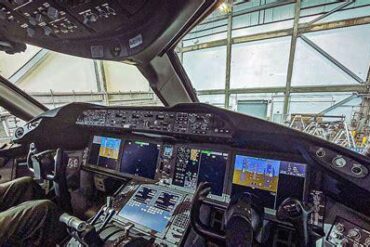
Airline cockpits glow with screens, switches, and promise. The promise is the part that tends to get overexposed in pop culture: the long-term earning power of airline pilots, the global mobility, the prestige of mastering a complex machine in a complex sky. The less glamorous truth lives on the ground, in flight schools and cramped crew rooms, where aspiring pilots juggle debt, uncertainty, and an income curve that starts closer to pocket change than six figures. The financial reality of trainee pilot pay is not a neat ladder but a winding runway with crosswinds, sudden fees, and long stretches where the engine is running but the bank account is not.
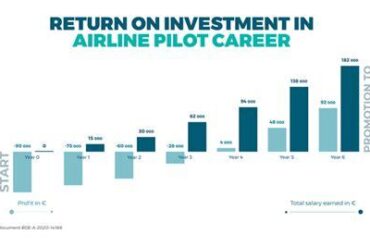
The training phase is the most misunderstood chapter in the pilot story. Many assume that once someone commits to flight training, a paycheck follows. In practice, most trainee pilots in the United States and many other markets pay for their training before they earn anything at all. Flight hours cost money. Aircraft rental costs money. Instructors, exams, medical certificates, simulator sessions, and written tests all cost money. Income usually appears only after trainees accumulate enough hours and credentials to work as Certified Flight Instructors or take early professional flying jobs. The cockpit door does not swing open to a salary; it opens to invoices first.
The economics of this early phase shape everything that comes after. Trainees who self-fund their training shoulder a large financial load upfront. Those who enter airline-sponsored cadet programs trade flexibility for structure, often receiving stipends, tuition support, and a defined pathway into an airline’s hiring pipeline. Both routes can lead to the same destination, but the cash flow feels wildly different along the way. The difference is not just personal finance; it alters how quickly trainees can build hours, what aircraft they can access, and how much stress rides along on every flight.

The first paychecks, when they arrive, rarely look like the glossy numbers attached to major airline captains. Early earnings usually begin with instructing. Certified Flight Instructors are paid to teach others to fly while quietly building the flight hours required by airlines. Pay varies by location, school, and how many hours the instructor can log each month. Urban flight schools with steady student demand can provide more consistent income, while smaller markets may leave instructors waiting for weather windows and student schedules to align. The work is demanding in a particular way: teaching is cognitively heavy, emotionally patient, and physically tiring. The reward is hours in the logbook, not money in the bank.
Once pilots cross the threshold into airline flying, the pay curve bends upward, but not evenly. Entry-level airline pay depends on whether a pilot starts at a regional carrier or a major airline. Regional airlines often serve as the bridge between instruction and long-haul flying. The base pay is lower than at major carriers, but the schedules can offer dense blocks of flight time that accelerate experience. Major airlines pay more from day one, but competition for those seats is intense and often favors pilots with specific experience profiles or strong ties to airline-sponsored programs. In both cases, pay is calculated by multiplying an hourly rate by flight hours, which means actual income depends on schedules, routes, and how often a pilot is assigned to fly rather than sit reserve.
The hourly model creates strange financial weather. A month with frequent flights can feel like a sudden raise. A month with cancellations, maintenance delays, or reserve duty can feel like a pay cut. Per diem payments and bonuses add texture to the paycheck, but they do not smooth the volatility. Benefits, however, are often strong even early on. Health coverage, retirement contributions, and travel privileges quietly add real value to compensation, even when base pay feels underwhelming. The math of pilot pay is not just about salary; it is about how many hours the sky allows you to bill.
The factors that shape trainee and early-career earnings live mostly outside individual negotiation. Training programs set stipends. Airlines set hourly rates through union-negotiated contracts. Aircraft type matters because larger, more complex jets command higher pay scales. Seniority matters because pilot pay ladders reward time in seat and time at company. Flight hours matter because the industry prizes logged experience as proof of competence in messy, real-world conditions. The market matters because airlines adjust pay to compete for talent when shortages loom. In recent years, competition for pilots has pushed entry-level airline pay higher than historical norms, but the early training phase remains stubbornly expensive.
Cadet programs change the financial story in subtle ways. Airline-sponsored pathways can cover tuition, provide signing bonuses, and offer mentorship that reduces the risk of wandering through the training ecosystem alone. The tradeoff is commitment. Cadets often agree to work for a specific airline for a defined period. The deal can be generous in cash flow terms while narrow in career mobility. Independent trainees preserve choice but absorb more upfront cost and uncertainty. Both models produce competent pilots; the difference is how much personal capital gets burned before the first professional paycheck clears.
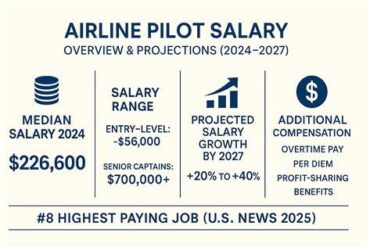
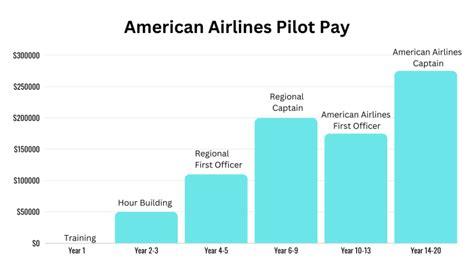
Comparing trainee pay to the earnings of experienced airline pilots is like comparing the fuel bill of a test flight to the revenue of a transoceanic route. The scale is different because the phase of the career is different. New instructors and junior airline pilots earn modestly by aviation standards while investing in experience. Regional captains and major airline first officers see substantial jumps as responsibility increases. Senior captains flying widebody aircraft reach compensation levels that justify the long climb, but the climb itself is the price of admission. The industry is structured so that experience compounds into pay. That compounding is slow at first and accelerates later, a curve that rewards persistence more than early brilliance.
Hidden costs lurk everywhere in the training pipeline. Flight training itself can consume tens of thousands of dollars before a pilot is employable. Housing near flight schools can be expensive, especially in markets with good weather that allow consistent flying. Medical exams are mandatory and recurring. Extra flight hours are often needed when weather, maintenance, or scheduling disrupts training plans. None of these costs politely wait for a paycheck. They pile up in the background, turning the early years into a financial endurance test. Traditional education savings plans often do not apply to civilian flight training, which forces many trainees to rely on loans, personal savings, or family support.
External shocks amplify the risk. Aviation is cyclical. Economic downturns reduce travel demand. Airlines shrink schedules. Hiring slows or pauses. A pilot’s medical certificate can be lost temporarily or permanently due to health changes, and that certificate is the key to earning. Weather disruptions and fleet changes can reassign pilots to aircraft with different pay scales. The early-career phase is especially vulnerable to these forces because junior pilots have less seniority protection. The sky can be generous one year and stingy the next, and the paycheck follows the weather patterns of the industry.
This is where expectations collide with reality. The popular image of pilots as instant high earners ignores the long prelude of low or nonexistent income. The profession does pay well at the top end, but the pipeline is long, costly, and emotionally demanding. The people who thrive are often those who planned for the lean years, accepted the uneven cash flow, and treated early earnings as investment returns on the time spent building competence. The romance of flight is real. So is the arithmetic.
The upside is not imaginary. As pilots accumulate experience, move to larger aircraft, and climb seniority ladders, pay rises meaningfully. Benefits deepen. Schedules can improve with seniority, allowing more control over lifestyle. The long-term financial arc can be rewarding, but it is not automatic. It is the product of persistence in a system that rewards logged hours, safe performance, and professional reliability. The early years are a bet on that future, placed with real money.
Another often-missed detail is how geography shapes earnings. Markets with dense flight training ecosystems can offer more consistent instruction work, but they also attract more trainees, which can compress wages. Remote regions may pay more to attract instructors but offer fewer students. Regional airlines in competitive hiring markets may raise starting pay aggressively, while others lag. The same license can produce different incomes depending on where it is used. Pilots who are mobile can arbitrage these differences, chasing better pay or faster hour-building opportunities, but mobility has costs in housing and personal stability.
There is also the matter of aircraft type early in the airline phase. Narrowbody jets dominate regional and short-haul operations, while widebody aircraft appear later in many careers. The pay scales reflect training complexity and operational responsibility. Transitioning to larger aircraft requires additional training and type ratings, which are expensive and time-consuming. Some airlines cover these costs; others bind pilots to contracts that amortize training over years of service. The paycheck improves, but the contract terms tighten. Freedom and compensation negotiate with each other behind the scenes.
The psychological dimension of early pay is easy to underestimate. Trainees often live in a strange double vision: one eye on the long-term earnings potential, the other on immediate bills. This can distort decisions, pushing some to rush hour-building at the expense of rest or to accept precarious schedules for faster progress. The safer path is boring and steady. Aviation rewards the pilots who respect limits, including financial ones. The sky is unforgiving to bravado, and personal finance is not far behind.
The financial reality of trainee pilot earnings today is shaped by a pilot shortage that nudges airlines to invest earlier in the pipeline. Stipends are more common than they used to be. Entry-level airline pay has risen in competitive markets. Union-negotiated contracts have pushed base rates upward. None of this erases the upfront costs of training, but it does soften the trough. The industry is slowly acknowledging that starving the pipeline starves the profession. That shift is incomplete, uneven, and fragile, but it is real.
The sober conclusion is that trainee pilots do not earn much during training, and often earn nothing at all until they instruct or enter airline service. Early airline pay can be respectable but volatile, shaped by hours flown and the airline’s contract. The long-term upside exists, but it is earned through years of disciplined flying, continuous training, and navigating an industry that moves in cycles. The cockpit is not a lottery ticket. It is a craft with a steep apprenticeship. Those who understand the financial weather of the early years fly with steadier hands when the turbulence hits.