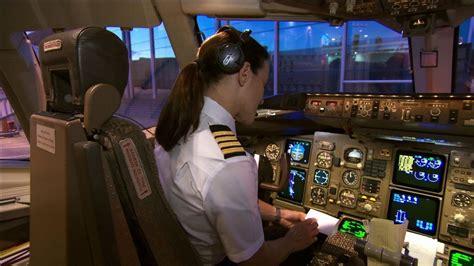
A routine flight turned into a high-alert situation at Sydney Airport when a Qantas Boeing 737 trainee pilot collapsed in the cockpit immediately after landing, drawing renewed attention to the aviation industry’s preparedness for in-flight medical emergencies.
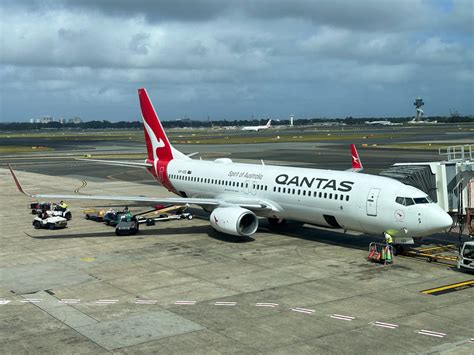
The incident occurred on Qantas flight QF804, which had just completed a short domestic journey from Canberra to Sydney on June 16, 2025. The aircraft, carrying 113 passengers and 8 crew, was taxiing toward Gate T3 when the trainee pilot began to feel unwell. Within moments, he lost consciousness. Fortunately, due to Qantas’ training protocols, a supervising check captain was onboard. The captain promptly assumed control and safely guided the aircraft to its final position.
Immediate Response Averts Greater Risk
Although the emergency occurred after landing, the scenario could have unfolded very differently had it happened in mid-air. The trainee pilot’s sudden medical incapacitation underscored the critical importance of redundant safety measures in aviation, especially within the cockpit.
Qantas’ decision to assign three pilots—the trainee, a first officer, and a supervising check captain—proved decisive. As the trainee became unresponsive, the check captain took over the controls without delay. Emergency services were already alerted by the flight crew and were waiting at the gate upon arrival.
The Australian Transport Safety Bureau (ATSB) labeled the event as a case of pilot incapacitation but confirmed that no formal investigation would be launched due to the incident’s rapid resolution and lack of systemic failure. Nevertheless, the event sparked a broader debate among regulators, airlines, and pilot associations about medical monitoring and readiness protocols for cockpit crew.
The Human Vulnerability in High-Tech Flight
Pilots operate in high-pressure environments that demand physical resilience, mental sharpness, and emotional stability. Even for short domestic flights like Canberra to Sydney, pilots are exposed to frequent barometric pressure changes, intense focus requirements, and sometimes fatigue—especially when undergoing training or evaluation.
Trainee captains, in particular, face heightened stress levels. They are under constant evaluation, adapting to new responsibilities, and adjusting to the heavy psychological expectations that come with command. In this incident, those very stressors may have contributed to the trainee pilot’s collapse—though the specific cause remains undisclosed due to medical privacy protocols.
A Wake-Up Call for the Aviation Industry
This is not the first time Qantas has faced a cockpit medical emergency in recent months. Just three months prior, another Boeing 737 captain flying for the airline experienced chest pains mid-flight, prompting a priority landing and an emergency medical response, including potential defibrillator use.
These two close calls—while unrelated—have raised serious concerns. Airlines globally are now assessing whether their current medical preparedness frameworks are robust enough. Industry professionals point to the following emerging priorities:
- Mandatory periodic health screenings for pilots, especially focusing on cardiovascular health.
- Real-time biometric monitoring during flight, to detect anomalies before they escalate.
- Enhanced cockpit staffing protocols, particularly on routes involving trainee pilots or long-haul operations.
- Refined emergency drills and medical training for both cockpit and cabin crew.
Qantas’ Operational Response and Passenger Confidence
Qantas, known for its longstanding reputation in safety and professionalism, acted swiftly and according to protocol. The airline confirmed that it is supporting the pilot involved and is adhering to all privacy standards. The quick and composed reaction from the flight crew mitigated what could have otherwise been a more severe event.
Still, the psychological impact on passengers cannot be dismissed. For many travelers, the idea of a pilot becoming incapacitated—even after touchdown—is deeply unsettling. The visibility of such incidents often magnifies public anxiety around air travel, despite the rarity of such occurrences.
Behind the Scenes: What This Means for Aviation Safety Protocols
The cockpit, while surrounded by state-of-the-art automation and redundancies, ultimately depends on the human element. Aircraft can fly with advanced autopilot systems, but human decision-making remains irreplaceable, especially in unexpected scenarios.
The incident emphasizes the importance of layered safety, where more than one qualified pilot must be present to act in case of incapacitation. While this has long been the standard for international and longer domestic flights, some regional and low-cost carriers operate with minimal cockpit personnel. That model now faces renewed scrutiny.
Furthermore, aviation unions and medical researchers are urging authorities to prioritize mental and physical wellness across the workforce. A pilot’s health status can change quickly due to factors like fatigue, stress, underlying conditions, or dehydration. Simple yet robust health checks before flight may become a new norm, potentially including wearable tech that tracks vitals.
Lessons from the Incident: A Blueprint for Safer Skies
This event at Sydney Airport offers several key takeaways that may guide future regulatory and operational decisions:
- Comprehensive health screening for all flight crew should become mandatory, not just during hiring, but at regular intervals throughout a pilot’s career.
- Enhanced cockpit redundancy during training flights can serve as a life-saving standard.
- Medical training for all onboard crew must evolve to include newer diagnostic tools and response techniques.
- Public communication protocols following such incidents must be swift, transparent, and sensitive to public concerns.
Global Implications: Not Just a Qantas Problem
What happened in Sydney could just as easily occur in any cockpit worldwide. Airlines across North America, Europe, Asia, and the Middle East are watching closely, reassessing their own preparedness.
Many have begun internal audits of pilot fitness programs. Some are piloting AI-powered health surveillance systems, while others explore partnerships with aviation medical research institutions to develop predictive risk models.
The International Civil Aviation Organization (ICAO) may now face pressure to issue updated global guidelines concerning cockpit crew medical standards. Collaborative initiatives among carriers, regulators, and healthcare experts are expected to gain momentum.
Conclusion: Turning a Close Call into a Catalyst for Change
The Qantas trainee pilot incident serves as a compelling reminder that even the most sophisticated aircraft are flown by human beings, whose health and well-being are central to flight safety. While the flight ended without injury or panic, it laid bare a vulnerability that cannot be ignored.
This incident is not merely a blip in aviation news—it is a call to action. A chance to revisit, revise, and reinforce the very protocols that protect lives in the sky. The world of aviation, driven by a culture of constant improvement, now has another data point—and another reason—to evolve.
The sky may be safer than ever, but vigilance, preparedness, and humanity remain the true engines behind every safe landing.