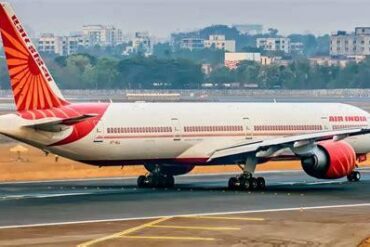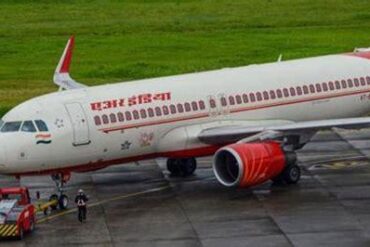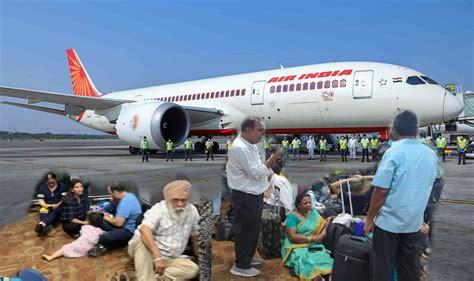
On the morning of July 4, 2025, a routine domestic flight from Bengaluru to Delhi faced an alarming disruption when the designated pilot for Air India Flight AI2414 collapsed in the cockpit just minutes before departure. The incident occurred at Kempegowda International Airport, sparking immediate concern among ground staff and crew. The pilot was scheduled to sign off on the aircraft’s technical log — a mandatory pre-departure formality — when he suddenly lost consciousness, resulting in an immediate halt to operations.
According to sources within Air India, the pilot’s collapse happened so abruptly that he did not even complete the pre-flight checklist. Emergency medical personnel stationed at the airport were summoned instantly. Within moments, the unconscious pilot was transported to a local hospital for urgent care. Medical officials later confirmed that the pilot was in stable condition, though the exact nature of the medical issue remains undisclosed due to privacy regulations.
Air India’s Immediate Response to the Mid-Terminal Crisis
Air India acted swiftly in the aftermath of the medical emergency. The airline’s operational control team quickly initiated protocols designed for such contingencies. A secondary crew member with full command credentials was placed on standby, and another qualified pilot was deployed to replace the incapacitated commander. This prevented what could have been a significant disruption in operations, especially at a time when Indian aviation is seeing a post-pandemic surge in domestic travel.
Air India’s official statement emphasized their focus on the pilot’s well-being and expressed solidarity with his family. “We are extending every possible assistance to the pilot and his loved ones during this difficult time,” an Air India spokesperson stated. “Passenger safety and our team’s health are always at the forefront of our operations.”
Passenger Experience During the Delay
While the incident undoubtedly delayed Flight AI2414 by several hours, passengers reported being regularly updated about the evolving situation. According to eyewitnesses, the cabin crew remained composed and transparent, calming anxious travelers while alternate arrangements were underway. Most passengers waited at the departure gate, observing a calm but concerned atmosphere throughout the terminal.
One passenger noted, “We were initially shocked when we saw medical staff rush toward the aircraft, but the airline’s constant communication made a big difference. They were honest about the delay and explained that safety came first.”

Behind the Cockpit: Stress, Health, and Aviation Readiness
This episode brings to light the often-overlooked physical and mental demands placed on commercial pilots. With irregular schedules, extended duty hours, and frequent time zone changes, commercial aviators face a unique set of occupational health risks. Though Air India has not confirmed the cause of the pilot’s collapse, aviation health experts have long warned about cardiovascular events, fatigue, and even hypoglycemia as potential hazards in the cockpit.
Industry regulations mandate regular health screenings, including electrocardiograms, blood pressure monitoring, and vision tests. Yet even with these controls, no system is entirely immune to real-time health emergencies. “This case underscores why airlines must remain prepared to handle on-ground crises before takeoff,” commented an aviation medical consultant based in Delhi.
Flight AI2414 Takes Off with Backup Pilot
After a delay of several hours, Flight AI2414 eventually departed for Indira Gandhi International Airport under the command of the replacement pilot. The aircraft — an Airbus A320 — carried a full load of passengers, many of whom expressed relief and admiration for how the situation was handled.
Air India confirmed that standard safety procedures were re-verified, including fuel recalculations, crew briefings, and passenger safety checks before the flight was finally cleared for takeoff. The airline did not compromise on any aspect of security or passenger well-being, reinforcing public confidence in their contingency handling.
Industry-Wide Implications: Readiness in Crisis
The incident reflects a broader reality that aviation safety extends beyond technical functionality — human health is an equally critical pillar. Airlines worldwide, including Air India, follow strict training and simulation exercises for both technical and medical emergencies. However, real-world crises demand composure, rapid decision-making, and effective communication — all of which were demonstrated in Bengaluru.
The Directorate General of Civil Aviation (DGCA) is reportedly monitoring the incident. While no official investigation has been launched, DGCA officials are expected to review the pilot’s health record and Air India’s incident response protocols.
Air India’s crew resource management (CRM) protocols are now being lauded for their success in averting a more serious disruption. Experts say this level of professionalism needs to be standard across the industry, especially in the face of increasing air traffic and pilot shortages.
The Human Side of Aviation: Support for the Affected Pilot
Air India has committed to full support for the pilot during his recovery process. Airline representatives have been in contact with the pilot’s family, offering both emotional and logistical assistance. The pilot is reportedly undergoing a series of medical evaluations, and his return to duty will depend on a full medical clearance.
In aviation, a pilot’s temporary medical unfitness often leads to a comprehensive review before reinstatement. Depending on the underlying cause, some conditions may result in temporary grounding, while others might require longer-term treatment and assessment by an aviation medical board.

Closing the Runway: A Reminder of Fragility and Professionalism
This rare but impactful episode serves as a stark reminder of the fragility of human health — even among those entrusted with hundreds of lives every day. It also reveals the strength of Air India’s operational structure, showcasing an airline that could adapt under pressure, place people over schedules, and prioritize well-being over profit.
As Indian skies continue to buzz with increasing frequencies, airlines must not only invest in aircraft and technology but also in the health and wellness of their flight crews. The incident aboard Flight AI2414 will likely spark renewed conversations around pilot fatigue, stress management, and real-time readiness protocols.
In the end, what could have been a catastrophic start to the day turned into a case study of professionalism, preparedness, and care. Air India’s response to the pilot’s medical emergency — from deploying a replacement captain to supporting the ailing pilot — has reinforced its commitment to safety, compassion, and operational excellence.
As of now, the pilot remains in stable condition, under medical supervision. The flight has landed safely in Delhi. And for the passengers and crew of AI2414, this will remain a flight they won’t forget — not for turbulence in the air, but for the unexpected turbulence on the ground, handled with calm and dignity.