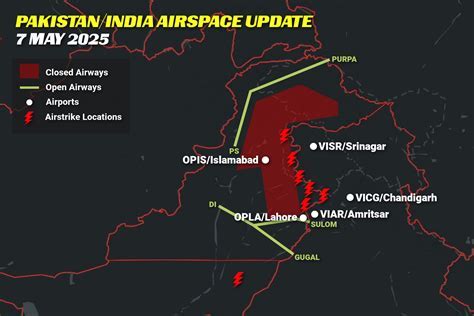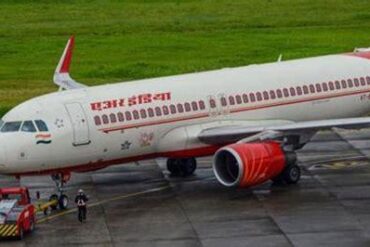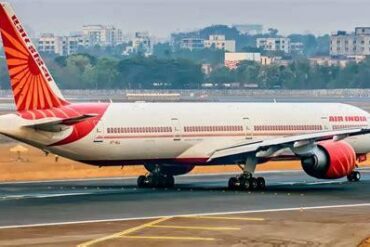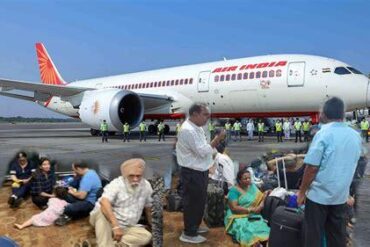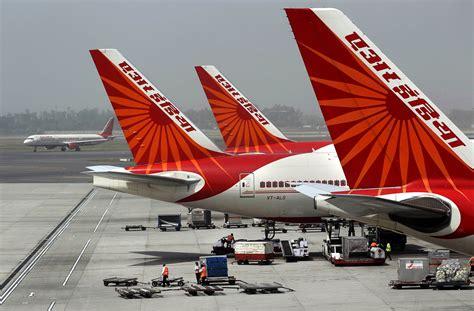
Due to the continued closure of Pakistan’s airspace, Air India has been forced to make significant changes to its flight operations between North America and India, particularly affecting its long-haul routes from San Francisco (SFO) to Delhi (DEL), Mumbai (BOM), and Bengaluru (BLR). This geopolitical disruption has led to longer travel times, additional fuel consumption, and complex operational challenges. For travelers, this means more layovers, unpredictable schedules, and a redefinition of what was once a seamless transcontinental journey.
Initially, the rerouting of US-India flights caused a sharp spike in operating costs for the airline, especially due to refueling stops in Vienna, Austria. These unscheduled pitstops involved high ground handling charges, added landing fees, and extensive logistical coordination. With fuel burn increasing by thousands of liters per flight, the financial burden on Air India escalated rapidly, threatening to drain millions in revenue if left unchecked.
To mitigate these costs, Air India has adopted a dual-pronged rerouting strategy, combining Mongolian airspace corridors with in-country pitstops in India. This decision aims to control costs while keeping passenger inconvenience to a minimum. Although it reduces the airline’s dependency on costly foreign hubs like Vienna, it has introduced domestic detours and multiple stops on what used to be nonstop or one-stop itineraries.
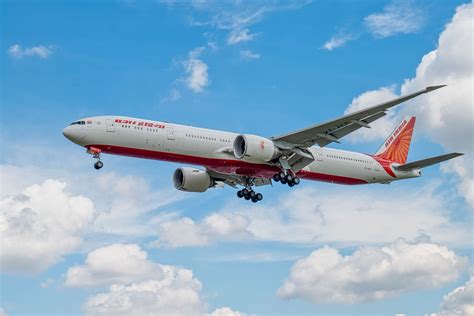
San Francisco to Bengaluru Flights: Prepare for Marathon Travel Times
Passengers booked on Air India flights from San Francisco to Bengaluru for June and July 2025 are now facing extended travel times ranging from 23 to 28 hours. Select flights, including AI 180, AI 2845, and AI 2603, make two pitstops within India — typically Kolkata (CCU) and Mumbai (BOM). Each stop is scheduled for about 1 hour and 15 minutes, translating into nearly 3 hours of ground time on top of the already long flying duration.
In other cases, some SFO–BLR routes are being diverted through Indira Gandhi International Airport in Delhi, where layovers of 1 hour and 35 minutes have been recorded. These extended transits within India not only lengthen the overall journey but also contribute to passenger fatigue and logistical bottlenecks.
Interestingly, the reverse leg — from Bengaluru to San Francisco — appears more forgiving. Flights such as AI 175 operate as nonstop, while others like AI 2661 and AI 173 make only a single stop in Delhi, offering a relatively smoother and faster westbound journey.
San Francisco to Mumbai: One Pitstop, Multiple Variants
The SFO to Mumbai (BOM) leg of Air India’s service has also been affected, though to a lesser degree. These itineraries typically involve one pitstop, either in Kolkata or New Delhi, extending the total travel time to around 20 to 22 hours. These routes are being carefully optimized to balance fuel needs and passenger turnover, especially given the heavy demand on the West Coast–India corridor.
Flights in the opposite direction — Mumbai to San Francisco — are currently being rerouted through Bengaluru or Delhi, which, while adding to the complexity, aligns with operational efficiency and aircraft fuel optimization goals.

San Francisco to Delhi: Increasing Reliance on Two Domestic Pitstops
One of the most heavily impacted routes is Air India’s San Francisco to Delhi service. In an effort to circumnavigate Pakistani airspace and avoid Vienna’s costs, some of these flights now make two domestic stops, commonly at Kolkata and Bengaluru. These added legs, though within Indian territory, stretch total flight times to upwards of 22 hours, depending on aircraft type, headwinds, and airport ground conditions.
Passengers have expressed concerns about the frequent announcements and reboarding required during these multiple legs, making the journey more fragmented and exhausting. Nevertheless, Air India maintains that these changes are temporary, pending the reopening of Pakistani airspace or a viable long-term alternative.
Alternative Strategies and Cost Rationalization
In response to the spiraling operational costs, Air India has shifted several flights away from Vienna and started using the Mongolian airspace corridor, a longer but more cost-effective route. For instance, flights from Vancouver and San Francisco to Delhi now commonly traverse this northern arc, bypassing both Pakistan and Iran, thereby ensuring safety and route compliance with international aviation bodies.
However, these routes present their own challenges. The northern polar path demands precise fuel planning and weather assessments, given the variable jet streams and cold-weather equipment requirements. Pilots flying these extended legs are now being given additional simulation training for ultra-long-haul operations with multiple sectors, an operational shift that reflects the airline’s adaptability.
Chicago and JFK Flights See Recovery
While the West Coast struggles with multi-stop flights, the East Coast seems to be regaining normalcy. Notably, Air India’s Chicago to Delhi (ORD–DEL) and JFK to Delhi (JFK–DEL) routes have resumed nonstop service as of June 2025. This change was made possible by updated routing permissions and the removal of previous refueling stops.
Despite these gains, not all itineraries are back to pre-crisis standards. For instance, the Delhi to Chicago route (AI 127) still features a refueling stop in Vienna, albeit a relatively short one lasting 1 hour and 10 minutes, bringing total travel time to nearly 19 hours and 45 minutes.
Operational Impact and Passenger Feedback
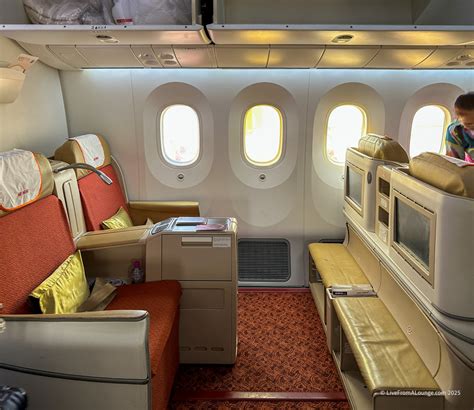
The ripple effects of the airspace closure and Air India’s strategic rerouting are being felt not just in flight times but also in passenger satisfaction scores. Complaints about missed connections, jet lag, and prolonged transits have surfaced across social media and aviation forums. At the same time, some flyers have praised Air India’s transparency in updating itineraries and offering customer service support amid these changes.
From an operational perspective, the reliance on in-country stops is a necessary trade-off to protect financial sustainability. According to aviation analysts, Air India would have incurred losses in the millions had it continued relying on Vienna for refueling and transit.
In response, Air India has invested in upgrading its ground handling processes at domestic airports to reduce layover times and ensure smoother transitions for passengers, especially at high-traffic hubs like Delhi, Bengaluru, and Mumbai.
Looking Ahead: Will Pakistan Airspace Reopen?
As of now, there is no clear timeline for the reopening of Pakistani airspace to Indian carriers. The continued ban stems from geopolitical tensions that show few signs of resolution in the immediate future. Until then, Air India’s workaround of dual-pitstop strategies and alternative air corridors will likely remain in effect.
The aviation sector in India is keeping a close eye on regional diplomacy, as a breakthrough could significantly shorten flying times and reduce costs. Meanwhile, passengers are encouraged to stay updated with itinerary alerts and check routing details when booking flights, particularly for West Coast–India travel in mid to late 2025.