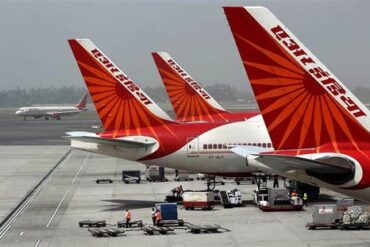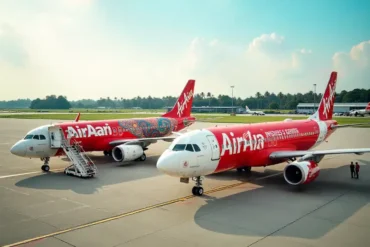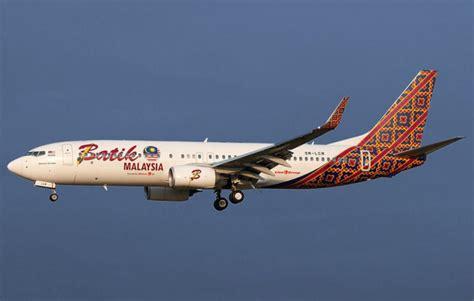
Amid rising military tensions between India and Pakistan, major Southeast Asian carriers Malaysia Airlines and Batik Air have suspended several key routes due to escalating security risks and restricted airspace. These developments follow the closure of Amritsar Airport and a widening conflict in the region that has already seen reported aerial combat between the two nuclear-armed neighbors.
Malaysia Airlines, the national flag carrier, has taken immediate action by halting all flights to and from Amritsar, citing operational constraints and the overriding need to safeguard passengers and crew. According to the airline’s official statement released on Wednesday, May 7, 2025, the suspension is a direct response to the closure of Amritsar Airport from May 7 to May 9, enforced by Indian aviation authorities.
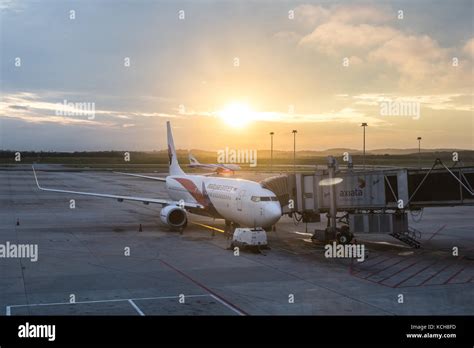
Malaysia Airlines Prioritizes Safety Amidst Escalating Tensions
In a strongly worded release, Malaysia Airlines emphasized that “passenger and crew safety remains our top priority.” The carrier added that it is actively monitoring the situation and will take further measures as necessary to ensure continued operational safety. Notably, this is not the first time the airline has had to deal with regional disruptions, but the scale and timing of the current crisis are particularly concerning.
To adapt swiftly, the airline confirmed that two of its flagship long-haul flights—MH2 to London Heathrow and MH22 to Paris Charles de Gaulle—had to be re-routed due to Pakistani airspace closure. On Tuesday, May 6, both flights were diverted through Doha, Qatar, for refueling before resuming their journey to Europe. The unplanned stopover increased flight durations and impacted fuel logistics, marking the first ripple effects of what could become a larger regional aviation disruption.
Batik Air Cancels Multiple Flights to Pakistan and Northern India
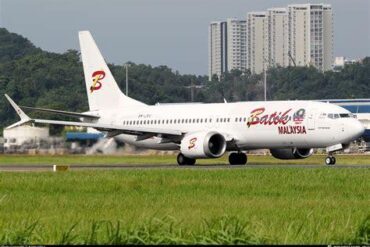
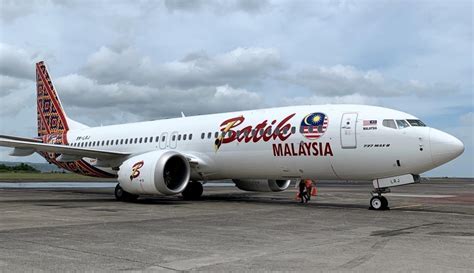
Meanwhile, Batik Air, another prominent Malaysian airline, announced the cancellation of several flights servicing Pakistan and northern India. Affected cities include Lahore and Amritsar, both of which lie close to contested border zones. The airline cited airspace restrictions as the principal reason for the sudden schedule changes.
In a public statement, Batik Air outlined that flights scheduled on May 7 and May 8 have been suspended. The impacted services are as follows:
- Kuala Lumpur (KUL) – Lahore (LHE): Flight OD131 on May 7 and 8 at 5.35pm local time
- Lahore (LHE) – Kuala Lumpur (KUL): Flight OD132 on May 7 and 8 at 9.35pm local time
- Kuala Lumpur (KUL) – Amritsar (ATQ): Flight OD271 on May 7 at 6.40pm local time
- Amritsar (ATQ) – Kuala Lumpur (KUL): Flight OD272 on May 7 at 11.05pm local time
The airline has made it clear that passenger wellbeing is paramount, and that it is cooperating closely with regulatory authorities to monitor the evolving geopolitical and security landscape. Batik Air also assured the public that it would provide continuous updates as the situation unfolds.
Worsening Conflict Brings Airspace Vulnerability to Forefront
At the heart of this crisis lies a dangerous escalation of military conflict between India and Pakistan, centered around the disputed territory of Kashmir. In recent days, India launched coordinated airstrikes on Pakistani targets, including areas within Pakistani-administered Kashmir. In retaliation, Pakistan claimed it had shot down five Indian fighter jets, representing one of the most intense aerial engagements in over two decades between the two countries.
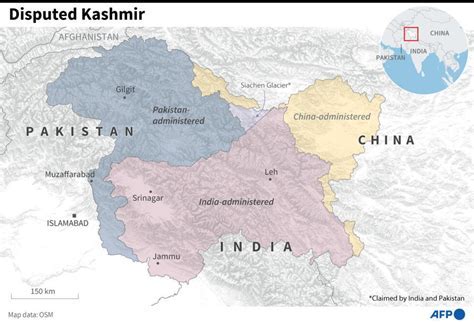
The closure of Pakistani and some Indian airspace has led to a domino effect across regional and international aviation corridors. Airlines from various countries, not just Malaysia, are being forced to alter flight paths, sometimes significantly, to avoid conflict zones. For Southeast Asian carriers, the closures affect popular Europe-bound routes, which typically transit over Pakistan.
Strategic and Operational Consequences for Airlines
From an operational standpoint, rerouting long-haul flights introduces multiple complications. Aircraft burn more fuel when detouring through the Middle East, necessitating stopovers that increase costs and delay arrival times. For Malaysia Airlines, the diversions of MH2 and MH22 through Doha added several hours to flight durations, disrupted schedules, and placed additional pressure on logistics and crew rotations.
The ripple effects may also affect cargo shipments, with priority freight being delayed or rebooked. In the competitive airline industry, especially for flag carriers like Malaysia Airlines, reliability and punctuality are pivotal to maintaining market trust. Disruptions of this scale, even if temporary, challenge that standing.
Heightened Tensions in a Nuclear Neighborhood
What sets this crisis apart is the volatile geopolitical context. Both India and Pakistan possess nuclear weapons and have a long-standing history of hostility over the Kashmir region. The current military engagement is considered the most serious since the Kargil conflict in 1999. The use of aerial force, and Pakistan’s claim of downing multiple Indian aircraft, suggests a heightened readiness for direct confrontation.
Global powers and aviation bodies, including ICAO and IATA, are closely observing the situation, urging both nations to de-escalate and reopen airspace corridors critical to international travel. The aviation sector remains one of the first industries to be affected during geopolitical crises, and airspace is often used as both a strategic asset and diplomatic tool.
Passenger Reactions and Airline Response Plans
Passengers booked on affected flights have taken to social media and airline helplines seeking clarity, refunds, or rescheduling options. Both Malaysia Airlines and Batik Air have activated emergency response teams and customer service escalation protocols, though high call volumes have led to delays in service.
Malaysia Airlines has promised that alternative arrangements will be made where feasible, including free rescheduling and waivers of change fees. Batik Air echoed a similar approach, asking travelers to monitor its website and official communication channels for the latest updates.
Looking Ahead: Risk Management and Regional Stability
While flight suspensions are often temporary, the broader implication of this crisis lies in how it exposes the fragility of aviation infrastructure during political unrest. Southeast Asia’s increasing connectivity with South Asia, driven by tourism, business, and diaspora travel, means that any regional volatility can reverberate widely across the skies.
For airlines, this serves as a stark reminder to invest in dynamic routing systems, bolster crisis communication, and maintain close coordination with air navigation authorities in neighboring countries. Malaysia Airlines, in particular, has faced historical scrutiny over its crisis response capabilities following previous tragedies. The airline’s rapid suspension and rerouting response this time is likely aimed at regaining public trust and reinforcing its safety-first image.
Conclusion: Aviation on Alert as Conflict Unfolds
As the India-Pakistan conflict deepens, the airspace above them becomes not just a geopolitical flashpoint but also a barometer of regional stability. Malaysia Airlines and Batik Air’s swift action in suspending high-risk routes underscores the delicate balance between operational continuity and passenger safety. For now, the aviation sector remains on high alert, watching the skies and hoping that diplomacy will succeed where dogfights threaten to dominate.
Until normalcy resumes, travelers and carriers alike must navigate uncertainty—both on the ground and in the air.