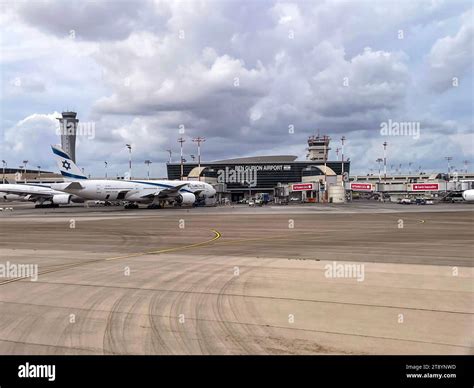
As tensions escalate between Israel and Iran, a significant wave of international flight suspensions has disrupted global travel routes, particularly into and out of Tel Aviv. The move, triggered by growing security risks from missile strikes, drone activity, and political instability in the region, has seen major airlines such as Delta Air Lines, United Airlines, El Al Israel Airlines, and Air India halting operations to Israel indefinitely.
The decision reflects a broader trend among carriers to prioritize safety amid a widening conflict zone in the Middle East. Not only has this impacted travel plans for thousands of passengers, but it has also strained airline logistics and underscored the volatility of the region’s airspace.
Delta Halts JFK–Tel Aviv Route Amid Renewed Violence
Delta Air Lines has suspended its New York-JFK to Tel Aviv route until at least August 31, 2025, citing intensifying security concerns. The announcement comes shortly after Delta resumed operations on May 20, following an earlier pause due to regional instability. This second suspension within months underscores the unpredictable nature of the threat landscape in Israel. Delta emphasized that it is “monitoring the situation closely” and is offering affected passengers refunds or rebooking options.

The route is one of Delta’s key intercontinental services connecting U.S. passengers to the Middle East, and its suspension is expected to have a ripple effect on business travel, tourism, and connecting itineraries. Despite previous hopes that stability would return, the current conditions have dashed those expectations.
United Airlines Ceases Flights Just Days After Resumption
Joining Delta, United Airlines has paused its Newark–Tel Aviv service merely days after its resumption on June 5, 2025. The abrupt reversal reflects how swiftly conditions on the ground have deteriorated. United stated that “safety remains our top priority” and confirmed that passengers will receive full refunds or travel credits, depending on their booking preferences.
The Newark route had long served as a vital air bridge between the U.S. East Coast and Israel. United’s suspension signals broader concerns across the aviation industry about flying in a zone increasingly defined by military conflict and airspace volatility.
Air India Cancels Delhi and Mumbai Flights to Israel
Air India, the national carrier of India, has also joined the roster of airlines canceling services to Israel. After resuming operations from Delhi and Mumbai to Tel Aviv earlier this year, the airline has now withdrawn multiple flights in response to the deteriorating regional security. As a contingency, Air India has rerouted some aircraft via Cyprus, a neutral location acting as a staging ground for repatriation or diversionary operations.
This development not only impacts India–Israel connectivity, which has grown significantly in recent years, but also complicates broader travel plans across Asia and the Middle East. Air India’s leadership has noted that future decisions will be taken “after continuous risk assessments.”
El Al Suspends European and Moscow Routes, Focuses on Repatriation
El Al Israel Airlines, the flag carrier of Israel, has reduced its international operations, suspending services to major European cities and Moscow. The airline’s pivot now focuses primarily on rescue flights and emergency repatriation missions for Israelis and foreign nationals stranded in the conflict zone.

El Al’s strategic reallocation of resources toward humanitarian operations reflects the severity of the conflict, as well as the government’s coordination with the airline to ensure its citizens and international visitors can evacuate safely. Routine commercial operations are not expected to resume until hostilities significantly decline.
Other Airlines Suspend Services to the Region
Beyond the headline carriers, a swath of global and regional airlines have suspended or altered flight paths to Israel and its neighbors. Affected carriers include:
- Aegean Airlines
- Air France-KLM
- airBaltic
- Lufthansa Group
- Qatar Airways
These airlines have either suspended routes to Tel Aviv or restructured their air corridors to avoid contested airspace over the Eastern Mediterranean. The scope of these suspensions spans from European hubs to Middle Eastern capitals, marking a substantial shift in international air connectivity across the region.
Airlines have also reported reduced flight activity or complete route cancellations in cities such as Beirut (Lebanon), Amman (Jordan), Damascus (Syria), and Baghdad (Iraq). This reveals how broad the conflict’s impact has become, influencing operations far beyond Israel’s borders.
Government Travel Advisories Raise Global Alarm
Multiple government agencies have updated their travel advisories, urging citizens to avoid travel to the Middle East due to rising threats. The U.S. State Department has issued a Level 4 ‘Do Not Travel’ advisory for Israel, Gaza, and the West Bank, warning of terrorism, military activity, and civil unrest. Travelers are also advised to avoid regions bordering Lebanon and Syria.
The UK Foreign Office followed suit, issuing warnings against all travel to Israel and the Occupied Palestinian Territories. It designated several areas as “red zones”, citing ongoing missile threats and unpredictable military escalations. Canada, Australia, and other nations have issued similar warnings, urging extreme caution or complete avoidance.
Widespread Airport and Airspace Closures
In response to missile threats and drone incursions, Ben Gurion Airport, Israel’s main international gateway, has shut down its airspace temporarily. This has led to widespread disruptions, with several incoming flights either canceled or rerouted to alternate destinations such as Larnaca, Cyprus.
Airports in Iran, Syria, Lebanon, and parts of northern Iraq are also affected, with delays, cancellations, and international airspace closures leading to serious complications for air traffic controllers and airline planners. These closures are expected to continue as long as missile activity and military deployments remain active.
Stranded Passengers and Mounting Airline Challenges
Thousands of passengers have been stranded in Israel or unable to travel due to the ongoing suspensions. Airlines have deployed emergency response teams, offering support and arranging accommodation, rebooking, or charter flights where feasible. However, the fluidity of the crisis makes it difficult to provide guaranteed travel alternatives.
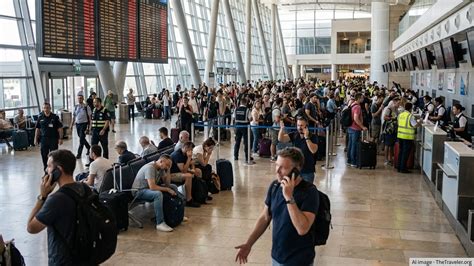
For the airlines, this marks a return to crisis-mode operations, echoing challenges faced during previous escalations and the COVID-19 pandemic. Crew safety, aircraft routing, and fleet scheduling are under constant revision, placing pressure on aviation command centers around the world.
Looking Ahead: No Immediate Resumption in Sight
While the situation remains under active review, none of the affected airlines have committed to firm resumption dates, aside from Delta’s tentative August 31 timeline. Most carriers emphasize that resumptions depend on verified improvements in regional security, input from government security agencies, and international diplomatic developments.
Until stability is restored, flights to and from Israel are likely to remain suspended or severely limited. This not only impacts leisure and business travel but also affects cargo operations, religious tourism, and diaspora movement, further isolating the region.
The collective flight suspensions underscore how rapidly aviation operations can unravel in conflict zones, and they highlight the aviation industry’s role as both a lifeline and a barometer of international stability.