American Airlines and United Airlines have temporarily suspended key Middle East routes in response to escalating safety concerns stemming from increasing regional tensions. This significant decision highlights the growing impact of geopolitical shifts on global aviation, compelling US-based airlines to reevaluate their operations in volatile areas. While US carriers proceed with caution, Gulf-based airlines continue their operations unaffected, raising pertinent questions about the varying approaches to security in the region.
American Airlines Suspends Doha Service
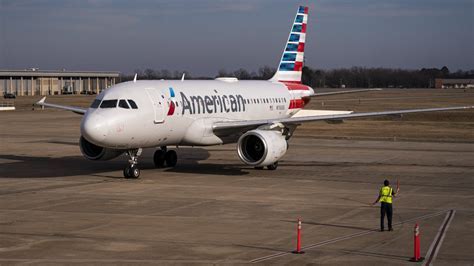
In a decisive move, American Airlines has officially suspended its daily flights between Philadelphia and Doha, citing mounting safety risks in the Middle East. This action follows an advisory from the US Embassy in Qatar urging American citizens to exercise heightened caution in the country due to escalating security concerns. The airline’s last outbound flight from Doha to Philadelphia took place on Thursday morning, marking the temporary cessation of service on this route. Additionally, a flight scheduled from Philadelphia to Doha on Wednesday was cancelled, with the suspension expected to last at least until June 22. American Airlines has expressed its commitment to closely monitor the situation, assuring passengers and crew that their safety remains the airline’s top priority.
The suspension comes as a result of Qatar’s increasingly complex geopolitical positioning. While the country serves as a strategic partner in hosting the Al Udeid Air Base, a key US military hub, it also maintains intricate ties with regional players, including Iran, with which it shares ownership of the North Dome/South Pars gas field. Furthermore, Qatar’s past support for groups like Hamas and the Muslim Brotherhood has raised concerns about the safety of US-flagged carriers operating in the region. Despite the current stability in Qatar, American Airlines has made the decision to temporarily halt operations as a precautionary measure, given the symbolic significance of US-flagged aircraft in the region. The airline’s cautious approach underscores how geopolitical dynamics can directly influence aviation decisions.
United Airlines Suspends Dubai Service
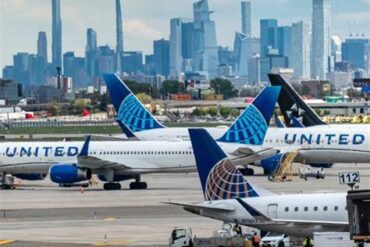
Similarly, United Airlines has also suspended its Newark-Dubai route, following analogous security concerns. The airline’s last flight, UA164, safely landed in Dubai on June 17, but all subsequent flights through June 22, including the return flight UA163, have been cancelled. United cited the escalating regional tensions as the primary reason for this suspension, with additional cancellations expected until June 24. Notably, this is not United’s first suspension of a Middle East route; in August 2024, the airline halted its flights to Amman, Jordan, a suspension that remains in effect. United Airlines continues to closely monitor the security situation, emphasizing that it will adjust its operations based on evolving conditions. As tensions continue to rise, United Airlines has prioritized the safety of its passengers and staff, reflecting a broader trend among US carriers to err on the side of caution when operating in the Middle East. Given the volatile geopolitical environment, further suspensions or adjustments to other routes cannot be ruled out.
Gulf Carriers Continue Operations Unchanged
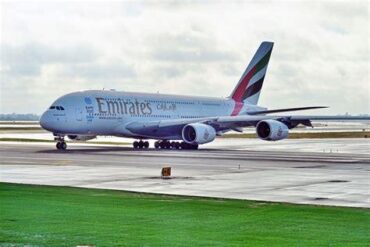
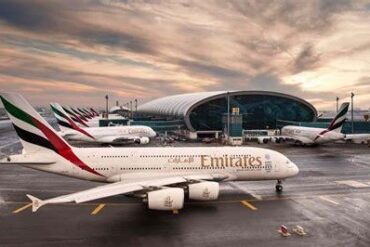
While US-based airlines take steps to suspend routes, Middle Eastern carriers such as Emirates, Etihad Airways, Qatar Airways, and Saudia continue to operate their flights to and from the US as scheduled. These carriers have not made significant changes to their operations, despite the growing security concerns in the region. The continued service of these Gulf carriers may reflect a difference in risk management approaches. These airlines are often deeply integrated with regional governments and may have access to real-time intelligence and security measures that allow them to operate with fewer disruptions. While US airlines have opted for caution, these Middle Eastern carriers are proceeding with their operations without interruption.
Regional Tensions and Increased Security Measures
The US Embassy in Doha has imposed additional security restrictions for its personnel, including limiting access to key military installations like the Al Udeid Air Base. These measures are indicative of the broader security concerns in the region, with American citizens in Qatar being urged to adopt increased caution and limit their public exposure. Qatar’s geopolitical position, balancing its strategic military ties with the US while also maintaining strong economic and political ties with Iran, has made it a focal point for international security. The complex alliances in the region, along with the growing threat of escalation, have prompted US authorities to bolster military readiness and surveillance, signaling heightened risks.
For American airlines, which are often viewed as symbols of US influence abroad, operating in such a politically charged environment presents increased risks. As tensions mount, airlines are taking a more cautious approach, prioritizing the safety of passengers and crew. The temporary suspensions by American Airlines and United Airlines serve as a reflection of the growing influence of geopolitical developments on global aviation. While Gulf carriers continue their operations unaffected, US-based airlines are adjusting their flight schedules to ensure the safety of their operations in a region marked by volatility.
As the situation in the Middle East continues to unfold, further adjustments to flight schedules by international airlines are likely. Airlines will continue to assess the risks associated with operating in the region, and travelers may face additional disruptions in the coming weeks as geopolitical dynamics continue to shape the future of aviation.