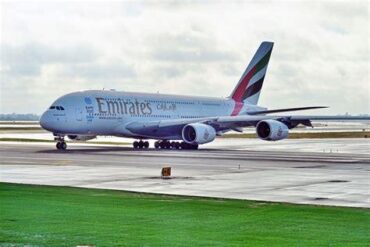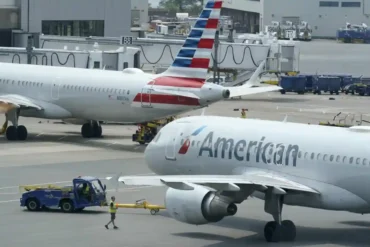
The ripple effects of the latest geopolitical crisis in the Middle East are reverberating across the global aviation sector, as major carriers like American Airlines, United Airlines, British Airways, and Singapore Airlines take decisive action to protect passengers and crews. Following a series of U.S. military strikes on Iranian nuclear sites, fears over regional stability have led to significant suspensions and rerouting of flights, marking one of the most disruptive episodes for international air travel in recent years.
Rising Tensions Trigger Immediate Flight Suspensions
The catalyst for these sweeping changes is the U.S. military’s strike on Iranian nuclear infrastructure, a move that has inflamed tensions across an already volatile region. Almost immediately, U.S. aviation authorities issued warnings, highlighting elevated risks for civil aviation operating over Iran, Iraq, Syria, and parts of Israel.
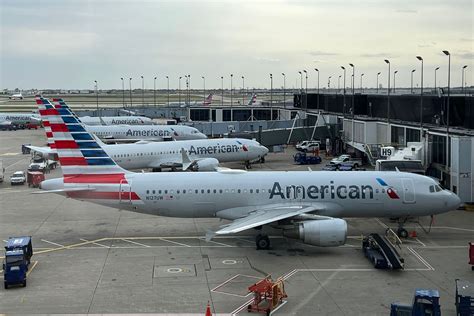
American Airlines, one of the largest carriers operating transatlantic and Middle Eastern routes, responded by suspending flights to Qatar, a significant Middle Eastern transit hub. The airline emphasized that the decision was based on safety assessments linked to the unstable security environment. This move is particularly impactful given Qatar’s role as a connecting point for passengers traveling between North America, Asia, and Africa.
Similarly, United Airlines halted its daily non-stop service between Newark Liberty International Airport and Dubai, citing concerns for passenger and crew safety. The Dubai route has historically been a crucial link for both business travelers and tourists, underscoring the severity of the threat perception in the industry.
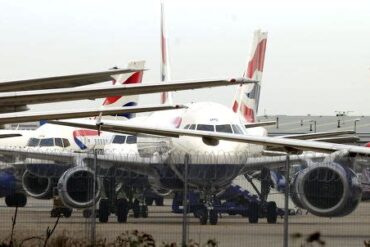
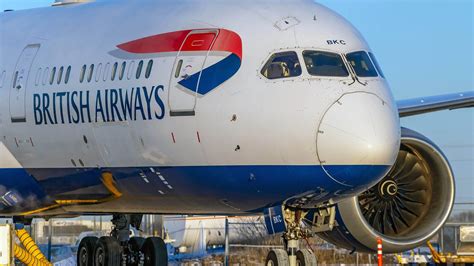
British Airways, a prominent European carrier with extensive Middle East operations, also took precautionary measures. The airline suspended all flights to Dubai and Doha, signaling an acknowledgment of the growing risk profile for operations in the Gulf region. Though initially projected as short-term disruptions, British Airways has kept the option open for extended suspensions depending on how the situation evolves.
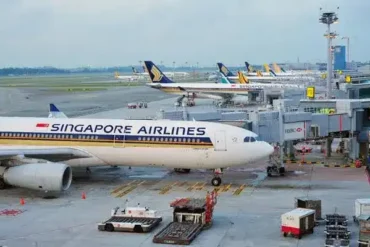
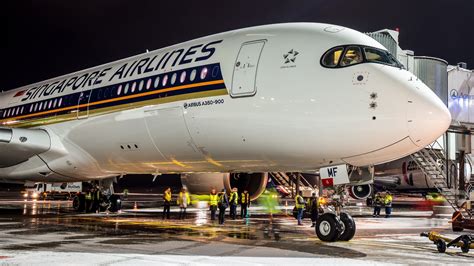
Adding to the wave of cancellations, Singapore Airlines announced the suspension of its Singapore-Dubai service after an internal security review. The airline, known for its rigorous safety standards, has made clear that further changes to its Middle East operations may be implemented if instability persists.
The Complexity of Rerouted Flight Paths
Beyond outright cancellations, many airlines are opting for substantial rerouting of existing services to circumvent dangerous airspace. Data from FlightRadar24 and aviation risk monitoring group Safe Airspace reveal that carriers are now diverting flights away from Iranian, Iraqi, Syrian, and Israeli airspace.
Airlines are increasingly favoring alternative routes over the Caspian Sea, Egypt, and Saudi Arabia, corridors considered relatively insulated from immediate conflict zones. While these adjusted flight paths are crucial for maintaining safety, they come with significant operational repercussions.
Longer routes naturally result in extended flight times, leading to increased fuel consumption and higher costs for airlines already grappling with fluctuating oil prices. Travelers may also face longer journeys and elevated ticket prices as carriers adjust to the logistical demands of these diversions.
Despite the inconvenience, industry leaders have underscored that passenger safety remains paramount, with rerouting decisions aligned with guidance from organizations like the International Civil Aviation Organization (ICAO) and Safe Airspace, both of which continuously assess and flag high-risk regions.
Safe Airspace’s Role in Aviation Risk Management
At the center of the industry’s response is Safe Airspace, a leading authority in real-time aviation risk monitoring. The organization has been instrumental in providing intelligence on potential threats to civilian aircraft following the U.S. military strikes.
While there have been no verified direct attacks on commercial airliners, experts warn of increased risks, including misidentification of aircraft, military exercises, and potential missile activity in contested airspace. Safe Airspace has expanded its advisories to encompass not only Iran but neighboring regions such as Bahrain, Kuwait, Oman, Qatar, Saudi Arabia, and the UAE, reflecting concerns that conflict could spill beyond immediate hotspots.
Aviation authorities worldwide have heeded these warnings, advising carriers to exercise extreme caution and avoid traversing airspace near active military operations. The situation remains fluid, with ongoing monitoring essential to adapt to evolving geopolitical realities.
Global Passenger Disruptions and Evacuation Efforts
The fallout from these flight suspensions extends beyond airlines and into the daily lives of thousands of travelers stranded or forced to seek alternative routes. Tourists, business passengers, and expatriates in the Middle East face mounting uncertainty.
Countries have initiated evacuation operations, underscoring the seriousness of the crisis. Japan, for example, orchestrated two overland evacuations from Iran to Azerbaijan, successfully extracting 21 individuals, including 16 Japanese nationals. Meanwhile, New Zealand has positioned a Hercules military aircraft for rapid deployment should evacuations become necessary.
For U.S. citizens and travelers, the Department of State has issued updated travel advisories urging avoidance of non-essential travel to the region. The guidance includes recommendations to stay in regular contact with embassies, follow local authority directives, and register travel plans via official platforms.
The Broader Aviation Industry Impact
The escalating conflict is also reshaping the operational landscape for global aviation, particularly given the Middle East’s status as a vital air corridor linking Europe, Asia, and Africa. Restricted access to these flight paths forces airlines to recalibrate routes, contributing to congestion along alternative airspace and straining global scheduling efficiency.
Hubs like Dubai International Airport, Doha’s Hamad International, and Abu Dhabi International are witnessing declines in transit passenger volumes, placing financial pressures on airport operators and local economies reliant on aviation-driven commerce.
Further complicating matters, insurance premiums for flights operating near or around high-risk zones have surged. Airlines may pass these increased costs onto passengers, exacerbating travel expenses during a period already marked by global inflation and volatile fuel prices.
Additionally, the suspension of flights to key Middle Eastern hubs disrupts cargo supply chains, delaying the movement of goods ranging from perishable food items to critical medical supplies. Logistics firms and e-commerce platforms are being forced to adapt, rerouting shipments through longer, less efficient paths.
Future Outlook: Heightened Vigilance and Contingency Planning
Looking ahead, airlines and aviation regulators remain locked in a cycle of constant risk assessment, ready to implement additional measures should the situation deteriorate. The potential for further military escalation across the Middle East, or retaliatory actions, cannot be discounted.
Industry stakeholders are collaborating through entities like ICAO, IATA, and regional aviation safety groups to share intelligence, standardize safety protocols, and coordinate contingency strategies. Governments are likewise refining evacuation plans and diplomatic efforts to prevent an uncontrolled spiral of conflict that would further destabilize global air travel.
The current crisis underscores the aviation sector’s vulnerability to geopolitical instability, highlighting the need for agile, well-informed responses to rapidly evolving threats. While the rerouting of flights and temporary suspensions are disruptive, they are vital in safeguarding lives amid complex regional dynamics.
For passengers, the best course of action remains to stay informed, maintain flexibility in travel plans, and heed guidance from airlines and official government sources. As developments unfold, proactive safety measures will continue shaping the contours of international air travel through and around the Middle East.