As tensions between Israel, the United States, and Iran escalate, several major international airlines have been forced to suspend or adjust flights due to the ongoing geopolitical unrest. This situation has become increasingly dire, prompting airlines such as Delta, Air Canada, Emirates, Lufthansa, Qatar Airways, KLM, and Swiss to take decisive action to ensure the safety of their passengers. With airspace closures, heightened security concerns, and the safety of passengers and crew as top priorities, these airlines have made bold decisions to cancel or reroute services, causing widespread disruptions in global travel.
The geopolitical situation in the Middle East has reached a critical point, leading to a significant impact on aviation. The escalating tensions have resulted in a series of flight cancellations and adjustments across various routes, particularly those involving the Middle East. Airlines are responding to this crisis with urgency, prioritizing passenger safety while navigating an unpredictable environment. As the conflict develops, travelers must stay informed about changes that could affect their itineraries.
Airspace Closures: A Ripple Effect on Global Aviation
The catalyst for these widespread flight suspensions was the closure of airspace by Israel, which occurred early on a Sunday morning in response to rising tensions. Shortly thereafter, Iran announced a similar airspace closure, followed by Iraq’s suspension of all civilian flights. These closures have not only disrupted regional flights but have also had a cascading effect on international air travel. As more airspace becomes restricted, airlines find themselves with no choice but to reroute or cancel flights, leading to significant delays and cancellations.
With airlines adjusting their routes to avoid hazardous areas, the situation remains fluid, and further changes in flight schedules are expected. Passengers should anticipate ongoing disruptions and be prepared for potential alterations to their travel plans.
Immediate Airline Responses: Flight Suspensions and Cancellations
In light of the escalating tensions, several global and regional carriers have acted swiftly to suspend or adjust their services to and from the Middle East. Etihad Airways has canceled all flights to Tel Aviv until June 30, 2025, citing heightened security measures in Israel. Additionally, flights to Amman, Jordan, have been suspended effective June 20, with revised schedules for travelers between Abu Dhabi and Beirut starting June 21. Passengers are offered options for rebooking or receiving full refunds according to Etihad’s policy.
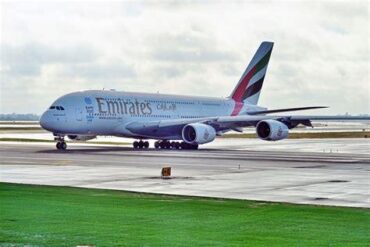
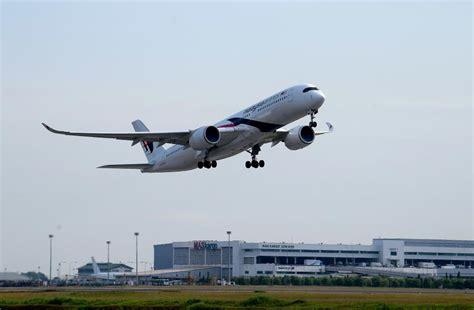
Emirates has also taken significant steps, suspending all services to Amman and Beirut until June 22, 2025. Flights to Tehran, Baghdad, and Basra are grounded until June 30, with passengers advised against traveling through Dubai to these destinations. Rebooking and refund options are available for those impacted by the cancellations.
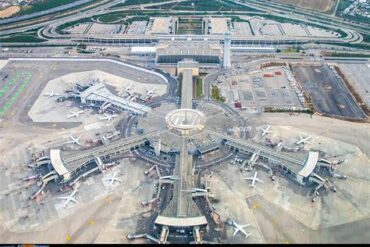
Flydubai, another airline based in Dubai, has suspended all services to Iran, Iraq, Israel, and Syria through June 30. The airline has implemented strict measures to ensure that passengers cannot connect through Dubai to these affected destinations, emphasizing safety. Similarly, Wizz Air has halted all flights to and from Tel Aviv’s Ben Gurion Airport and is providing free rebooking or refunds for affected travelers.
Air Arabia has ceased all flights to Jordan until June 20 and suspended services to Iran, Iraq, Russia, Armenia, Georgia, and Azerbaijan through June 30. The airline continues to monitor the situation closely and is prepared to make additional adjustments as necessary.
Regional Airlines Adjust Operations
Regional airlines are also modifying their operations due to the ongoing crisis. Qatar Airways has suspended flights to Iran, Iraq, and Syria’s Damascus International Airport while rerouting flights around these areas with no specific resumption date announced. Oman Air has canceled all flights to and from Amman until June 24, 2025, advising passengers to check their website for updates on rescheduled services.
Kuwait Airways has temporarily suspended flights to Amman, Beirut, and Dubai, extending the suspension until June 30. Gulf Air from Bahrain has canceled flights to Amman, Baghdad, and Najaf in Iraq until June 27, offering rebooking options and refunds for affected passengers. EgyptAir has also suspended flights to Beirut, Amman, Baghdad, and Erbil from June 15 onwards, with cancellations likely to remain in effect indefinitely due to the ongoing conflict.
Major International Airlines Make Changes
As the conflict intensifies, major international airlines have also suspended or adjusted their flight routes to Middle Eastern destinations. Delta Air Lines has warned that flights to, from, or through Tel Aviv may remain affected until August 31, 2025, having altered its flight schedules to avoid the impacted airspace while providing rebooking options for passengers.
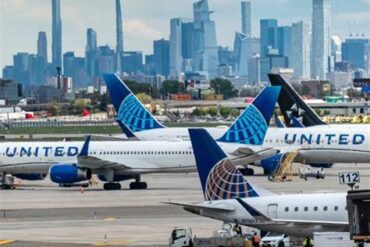
United Airlines has suspended flights to Dubai until June 25 and to Tel Aviv until August 1, with rebooking options and full refunds available for affected travelers. American Airlines has temporarily suspended its Philadelphia-Doha service until June 22, urging passengers to stay informed about any updates regarding their flight statuses.
Air Canada has canceled all flights to Tel Aviv until September 8, 2025, and suspended its non-stop service between Toronto and Dubai until June 21. European airlines have similarly adjusted their schedules; Air France has suspended all flights to and from Tel Aviv until further notice, while KLM has canceled flights to Tel Aviv until at least July 1.
Conclusion: Ongoing Disruptions and Travel Adjustments
As the geopolitical situation continues to evolve, airlines worldwide are implementing necessary measures to safeguard passenger safety by suspending flights, rerouting services, and adjusting their schedules accordingly. The conflict involving Israel, the United States, and Iran has led to significant disruptions in global travel, requiring travelers to remain flexible and vigilant regarding their flight status. Airlines are actively providing rebooking, refunds, and other accommodations to assist those affected by the ongoing crisis.
With the situation remaining fluid, it is crucial for travelers to prepare for continued uncertainty in the aviation industry. Monitoring flight statuses, exploring alternative arrangements, and staying updated on travel advisories will be essential for anyone planning to travel to or from the Middle East in the coming weeks.