Cyprus, the shimmering jewel of the Eastern Mediterranean, stands at the edge of rising regional instability as tensions between Israel and Iran spiral into violent confrontations. With missiles exchanged and casualties mounting across borders, many British tourists are now anxiously questioning whether the island’s postcard-perfect serenity is still secure. Despite the intensifying geopolitical friction only a few hundred kilometers away, Cyprus remains, at least for now, outside the direct line of fire. Yet, the proximity and historical role of the island as a strategic hub in regional conflicts have thrust it into a very modern spotlight of international concern.
The Geographic Reality: How Close Is Too Close?
Cyprus is located approximately 472 kilometers from Israel, a short hop in aviation terms. The swift, 45-minute flight time between Larnaca International Airport and Ben Gurion Airport in Tel Aviv is a stark reminder of the island’s physical closeness to the escalating turmoil. That closeness recently took on a more ominous hue when unconfirmed reports emerged of missile activity in the skies above Cyprus.
One of the most chilling moments came from a viral post in the popular Facebook group Weather Enthusiasts of Cyprus, which showed streaks in the night sky. Though the footage lacked verification, it stirred a wave of apprehension. Was Cyprus witnessing the ripple effects of warfare—perhaps not as a target, but as a theater for misfired weapons or errant military maneuvers?

The British government took swift notice. While there is no official advisory against travel to Cyprus, the UK Foreign Office updated its guidance to underscore caution. Travelers are urged to follow media updates closely and to heed local advisories. This isn’t just about stray missiles or distant battles. It’s about a region under intense geopolitical strain, where events in one country can reverberate across borders in hours, if not minutes.
UK Foreign Office Guidance: What’s New and Why It Matters
The latest memo from the UK’s Foreign, Commonwealth & Development Office (FCDO) stops short of a full-fledged warning against visiting Cyprus. However, it doesn’t downplay the risks either. The language is measured but firm: be cautious, stay informed, and follow local authority instructions. This nuance is crucial for travelers, especially those relying on travel insurance or cancellation clauses.
A critical point here is that no official travel ban means no automatic refunds. If you’re holding non-refundable bookings or policies that only kick in after a formal advisory is issued, your chances of reimbursement are slim. Airlines and tour operators remain operational, and as of mid-June 2025, Larnaca and Paphos airports are running normally. That said, this could change swiftly should the conflict escalate.
Cyprus’ Strategic Role: A Historical Context
Cyprus isn’t merely a Mediterranean vacation retreat; it has long played a pivotal role in regional intelligence, defense logistics, and diplomatic backchannels. The island hosts Sovereign Base Areas (SBAs) maintained by the United Kingdom, making it a launchpad for surveillance and, at times, military action in nearby hotspots. This unique positioning—both geographically and politically—raises the stakes.
While the average beachgoer may be unaware, the presence of RAF Akrotiri and Dhekelia garrison means Cyprus could theoretically become a strategic asset—or liability—depending on how the Middle Eastern conflict evolves. This fuels local anxiety, not just about tourism, but about national security. In short, Cyprus is peaceful—but never neutral.
The Israel-Iran Escalation: A Broader Perspective
At the root of this rising tension lies a volatile exchange of military strikes between Israel and Iran. Israel’s airstrikes on Iranian nuclear and military sites were described as a preemptive response to perceived nuclear threats. Iran’s retaliation—through ballistic missile launches—has deepened fears of a broader regional war.
The Middle East is no stranger to conflict, but the stakes in 2025 are higher than usual. Iran continues to deny any ambition for nuclear weapons, though skepticism persists, especially among Western intelligence agencies. Meanwhile, Israel’s own nuclear capabilities, though never officially acknowledged, are considered one of the region’s worst-kept secrets.
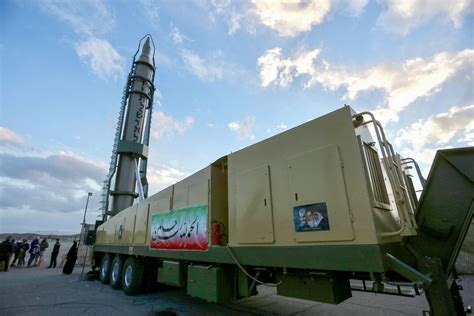
The reverberations are being felt far beyond Iran and Israel. Across embassies, airports, and diplomatic posts from Ankara to Amman, a high-alert status has become the new normal.
Can You Cancel Your Trip to Cyprus? What You Need to Know
The short answer: not without financial loss. Unless the UK Foreign Office officially advises against travel to Cyprus, neither airlines nor insurance providers are legally obligated to honor cancellation requests with full refunds. This legal and financial technicality places travelers in a difficult bind—should you go and risk feeling unsafe, or cancel and lose money?
Insurance policies, particularly basic or budget ones, rarely offer “fear of travel” clauses. Most are only triggered by actual advisories or immediate threats. If you’re concerned about flexibility, upgrading to a comprehensive travel insurance policy that includes disruption due to geopolitical risk might be worth considering—though it’s likely too late for those traveling in the next week or two.
Is Cyprus Really Safe Right Now?
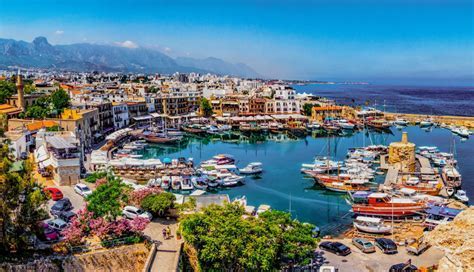
Despite its location, Cyprus has thus far remained untouched by the direct consequences of the Israel-Iran clash. No attacks have occurred on its soil, and local authorities maintain heightened surveillance without disrupting daily life or tourism infrastructure. The island continues to welcome visitors, and its hotels, beaches, archaeological sites, and vibrant nightlife remain open and active.
However, locals are not oblivious to the risks. There is a palpable shift in sentiment—a mixture of resilience and restraint. Cypriot businesses are preparing contingency plans, especially in coastal areas like Ayia Napa, Limassol, and Paphos, where tourist traffic is heaviest.

The expat community, particularly the sizable British population, is also closely monitoring developments. Many have family and property on the island and are seeking guidance from embassies and consular posts. If the conflict escalates, evacuation procedures and emergency alerts could become a reality.
Regional Fallout: How Other Destinations Are Affected
Cyprus is not the only country facing heightened scrutiny. Turkey, Jordan, and the United Arab Emirates have all seen updated travel advisories. Turkey’s eastern border near Syria remains a no-go zone, while Jordan advises travelers to avoid public gatherings and to remain alert. In the UAE, tourism in Dubai and Abu Dhabi is still thriving, but authorities are reinforcing surveillance and emergency readiness.
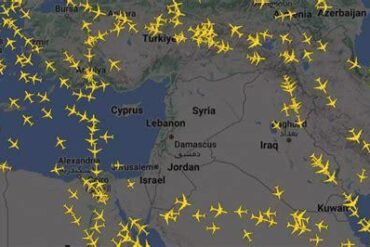
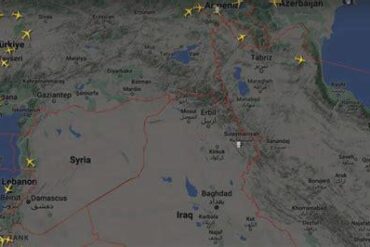
The Eastern Mediterranean airspace is also being closely watched. Airlines are recalibrating flight paths to avoid risky air corridors, particularly those intersecting potential missile routes or disputed airspace. Any significant expansion of hostilities could quickly transform the region’s aviation landscape.
What Should Travelers Do Now?
If you’re already in Cyprus or planning to go, the most important thing is to stay informed. Monitor updates from:
- The UK Foreign Office
- Local Cypriot news outlets
- Your airline or travel provider
Keep your phone charged and notifications on. Download relevant apps for real-time news, such as BBC News, Al Jazeera English, and Cyprus Mail. Register with your embassy if applicable, and have an exit strategy in place, even if it never needs to be used.
For those still deciding whether to travel, consider how risk-averse you are and whether you’re willing to remain flexible. Cyprus, with its stunning Troodos mountains, ancient ruins, and blue-flag beaches, still holds immense appeal. But safety should remain your top priority.
Conclusion: A Delicate Balance of Sunshine and Strategy
Cyprus finds itself once again walking a tightrope between peace and peril, tourism and tension. While the war drums beat louder a few hundred kilometers away, the island maintains its calm exterior and open-door policy. But the serene Mediterranean breeze could shift quickly if the situation worsens.
British tourists, who make up a substantial portion of Cyprus’ visitor count, must weigh their options carefully. Until a formal advisory is issued, the decision rests with the individual—guided by news, not panic. In the meantime, Cyprus remains, for many, a haven of calm in a volatile region—but one that demands caution, awareness, and contingency.