Australia has officially upgraded its travel warning for Qatar, citing increasing concerns over the volatile geopolitical climate in the Middle East, particularly the escalating conflicts surrounding Israel, Gaza, and Iran. This development, announced by the Department of Foreign Affairs and Trade (DFAT) on its Smartraveller portal, comes at a time when Australians are increasingly reliant on Qatar as a vital transit hub for long-haul journeys.
The revised warning does not suggest that Qatar itself is experiencing internal unrest or violence. In fact, Qatar remains politically stable and secure. However, DFAT emphasized that the country’s geographic proximity to intensifying conflict zones warrants caution. The new advisory replaces the previous guidance, which categorized travel to Qatar as requiring only standard precautions.
Rising Regional Instability Pressures Travel Policies
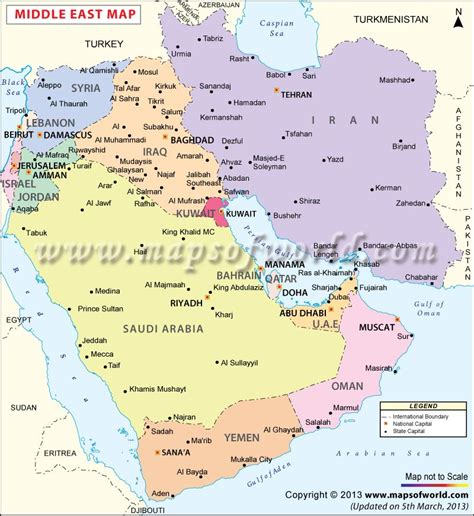
The decision to elevate the risk level for Qatar is part of a broader recalibration of Australia’s Middle East travel advisories. DFAT has concurrently issued “Do Not Travel” notices for Iran, Iraq, and Israel—its highest-level warnings, typically reserved for active warzones or areas experiencing widespread civil unrest. The shift in Qatar’s status, though not as severe, reflects Australia’s growing unease over the unpredictability of events unfolding across the region.
Recent months have seen mounting tensions between Israel and Iran, alongside continuous violence between Israeli forces and militant factions in Gaza. There are real fears that military confrontations, proxy attacks, and retaliatory strikes may spill over into neighboring countries, even those like Qatar which have maintained relative neutrality. This has raised red flags for international agencies monitoring regional stability.
Qatar’s Strategic Importance for Australian Travelers
Despite the risk adjustment, Qatar remains a central artery in global air travel, particularly for Australians flying to Europe, Africa, and Asia. Hamad International Airport in Doha, often ranked among the world’s top airports, has become a crucial hub thanks to its cutting-edge infrastructure and strategic location.
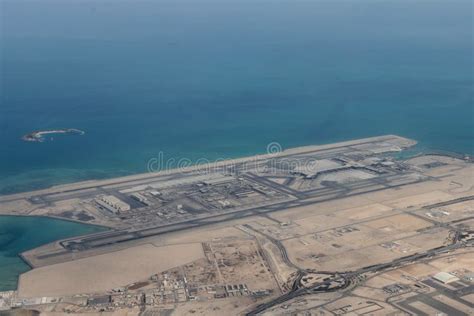
The airport’s continued operation underlines a complex paradox: while the broader Middle East is roiling with instability, Qatar is still offering world-class travel services, serving as a bridge between continents. Australian travelers often prefer transiting through Doha due to the seamless connections, superior amenities, and the globally renowned Qatar Airways experience.
Qatar Airways: A Resilient Connector Amid Crisis
Qatar Airways, one of the most celebrated international carriers, has significantly deepened its presence in the Australian market over recent years. With direct flights from Sydney, Melbourne, Perth, and the newly added Brisbane route, the airline provides Australians with unparalleled global access.
Adding momentum to Qatar’s aviation profile, Virgin Australia recently inaugurated its first-ever route to the Middle East, connecting Brisbane and Doha. This strategic expansion further integrates Australian travelers into Qatar Airways’ vast network of over 170 global destinations, a testament to the resilience and ambition of both carriers even amidst global uncertainty.
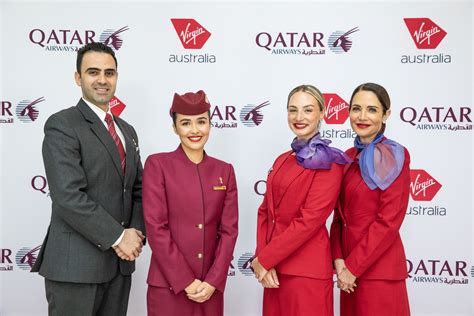
The Qatar-Virgin Australia alliance not only boosts convenience for passengers but also strengthens economic and diplomatic ties between the two nations. Yet, even as this aviation synergy flourishes, authorities are urging travelers not to overlook the wider implications of being in a region facing potential geopolitical escalation.
Australia’s Diplomatic Caution and Proactive Guidance
The DFAT’s updated advisory is not a call for panic, but a clear signal for Australians to exercise heightened awareness and preparedness. The Middle East remains a dynamic and often volatile landscape, and government officials are underlining the importance of planning, flexibility, and information access for anyone considering travel to or through Qatar.
In practical terms, DFAT recommends travelers to:
- Monitor local and international news outlets closely for any signs of tension escalation.
- Register travel plans via the Smartraveller portal, which allows consular assistance in emergencies.
- Purchase comprehensive travel insurance that specifically covers trip disruptions due to geopolitical conflict.
- Maintain flexible itineraries that allow for sudden changes or rerouting.
This precautionary approach is particularly relevant for business travelers, diplomatic staff, expatriates, and tourists using Qatar as a stopover on their international journeys.
Contextualizing the Risk: Qatar’s Unique Geopolitical Position
Unlike its regional neighbors, Qatar has remained diplomatically agile, balancing complex relationships with Western allies and regional actors. It hosts the Al Udeid Air Base, a critical military installation for the United States, and has often played the role of mediator in regional disputes and hostage negotiations.
Nonetheless, its geographic closeness to both Iran and Israel raises legitimate concerns. Should direct confrontations between these two nations escalate, airspace security, cyber threats, or targeted disruptions could potentially impact even nations not actively involved in the fighting.
Furthermore, Qatar’s media visibility through Al Jazeera, its energy-based economic leverage, and its independent foreign policy often place it in a delicate balancing act. While none of these factors suggest imminent risk for tourists or transit passengers, they do create a backdrop in which caution becomes essential, especially under rapidly changing geopolitical conditions.
Aviation Safety and Operational Continuity in Qatar
It’s important to note that, as of now, flight operations in and out of Doha remain unaffected. Hamad International Airport continues to function at full capacity, and neither Qatar Airways nor Virgin Australia has announced any service disruptions or cancellations.
Airlines and airport authorities have emphasized that safety protocols are in place, and they are constantly monitoring developments with global intelligence and aviation security partners. Nonetheless, passengers are being advised to stay updated on flight information and be ready for potential changes if the regional climate deteriorates.
Looking Forward: Travel With Eyes Open
Australia’s travel advisory upgrade for Qatar is a reminder of the new complexities in global mobility. It reflects a world where even stable nations can be indirectly impacted by nearby conflicts, and where travelers must adopt a more informed, proactive, and flexible approach.
Qatar, despite being surrounded by zones of high tension, continues to deliver high-caliber transit and hospitality services, sustaining its role as a crucial international hub. Yet, the risks—however indirect—warrant careful attention.
Australians with planned itineraries through Doha or connecting flights via Qatar Airways should not cancel travel unnecessarily, but they should prepare with open eyes and layered safeguards. Regional dynamics can shift with little notice, and being ahead of the curve with updated information, insurance, and contingency plans can be the difference between a seamless trip and a disrupted one.
In summary, the message from DFAT is not one of alarm, but of awareness. As Australia’s diplomatic lens sharpens over Middle Eastern flashpoints, its citizens are being called upon to match that focus with cautious vigilance and readiness. The skies over Qatar remain blue—for now. But preparedness, in such times, is not paranoia; it is prudent travel in a complicated world.