Amid rising tensions in the Middle East, the Foreign, Commonwealth, and Development Office (FCDO) has issued updated travel warnings for several key countries in the region, including Jordan, the UAE, Tunisia, Qatar, and Oman. The advisory, published on June 13, 2025, comes in response to escalating geopolitical instability, primarily stemming from the ongoing conflict between Israel and Iran. As the situation grows increasingly volatile, travelers are advised to remain alert and flexible when planning their trips.
Jordan’s Security Measures and Advisory
Jordan, strategically located in the heart of the Middle East, has become a primary focus of concern in the latest FCDO advisory. The country, being in close proximity to both Israel and Iran, faces the risk of collateral damage from the ongoing tensions. On June 13, 2025, sirens were activated across Jordan at 9:30 AM as part of precautionary measures due to the potential risk of missile exchanges between Israel and Iran. The alert instructed residents to remain indoors to avoid falling debris caused by intercepted missiles. Though the alarm was lifted by noon, travelers were still advised to exercise caution.

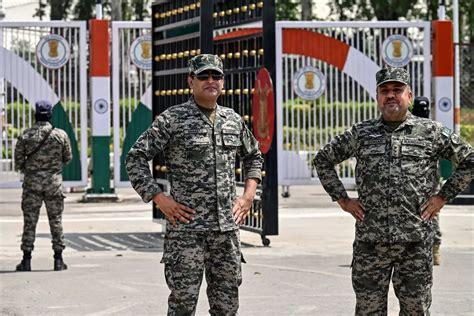
The FCDO has emphasized that the threat from missile fragments still exists, advising travelers to avoid any debris and report sightings to local authorities. Additionally, Queen Alia International Airport in Amman temporarily suspended operations, disrupting several flights. Passengers are encouraged to check with their airlines for updates, as further disruptions could occur. Travelers are also advised to stay informed about conditions at border crossings, particularly the King Hussein/Allenby Bridge, which saw temporary closures.
UAE, Tunisia, Qatar, and Oman: Regional Risks and Advisory
Although the UAE, Tunisia, Qatar, and Oman have not yet experienced direct security incidents, the FCDO has raised concerns about the broader regional risks posed by the ongoing conflict. The situation remains highly fluid, and tensions between Israel and Iran could quickly spill over into neighboring countries, heightening the risk for travelers.
The FCDO’s advisory highlights the need for travelers to remain vigilant, monitor local news, and stay in touch with official sources for the latest updates. Although these countries have not faced direct attacks, emergency measures, including curfews or road closures, could be implemented with little notice. This unpredictability makes it essential for travelers to remain adaptable and flexible in their plans.
Key Recommendations for Travelers
Given the volatile nature of the current geopolitical situation, the FCDO has issued several crucial recommendations for travelers:
- Stay informed: Keep up-to-date with the latest news, especially regarding developments in the Israel-Iran conflict, which could have ramifications for neighboring countries.
- Follow local authorities’ instructions: In case of a security event, it is vital to follow any instructions from local authorities, including curfews or evacuation orders.
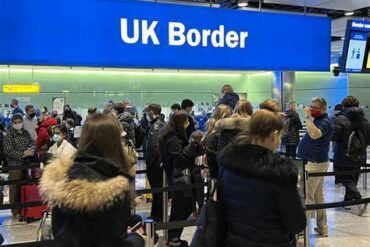
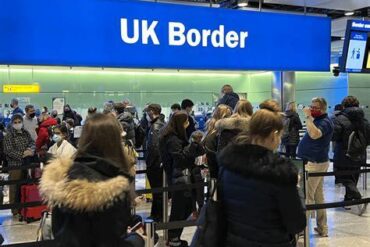
- Monitor flight and border conditions: Keep informed about flight schedules, especially in Jordan, where disruptions at Queen Alia International Airport could continue. Travelers crossing borders should be prepared for potential delays.
- Prepare for changes: The rapidly changing security environment means that travelers should have contingency plans in place. Ensure travel arrangements are flexible, including alternate routes and accommodations.
- Emergency contacts: Have the contact details for your embassy or consulate, as well as local emergency services, readily available.
Conclusion
The updated travel advisories issued by the FCDO underscore the growing security concerns in Jordan, the UAE, Tunisia, Qatar, and Oman due to the escalating tensions between Israel and Iran. As the situation evolves, travelers are strongly encouraged to stay informed, heed local authorities’ instructions, and prepare for potential disruptions. By staying flexible and vigilant, travelers can better navigate the uncertainty and safeguard their safety while visiting the region.