Canada’s latest travel advisory has cast a wide net across seven popular destinations—Jordan, Italy, China, Brazil, the United Kingdom, India and Oman—warning travelers of escalating regional conflicts, terrorism risks, political instability and violent crime. With the security landscape shifting rapidly around the globe, Canadians are being urged to avoid non‑essential journeys to high‑risk zones and to exercise the utmost vigilance when visiting even relatively stable areas. This in‑depth analysis explores the unique threats in each country, outlines the factors driving the new warnings and offers practical guidance for those who must travel.
Jordan: Rising Regional Tensions and Border Instability
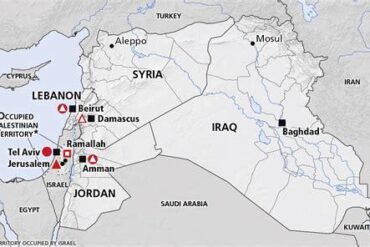
Jordan, long regarded as a bastion of stability in the Middle East, has seen its security environment deteriorate amid spillover from the civil war in Syria and the ongoing conflict in Iraq. Armed clashes and military operations along the borders have surged, prompting Canada to recommend avoiding all areas within five kilometers of the Syrian and Iraqi frontiers. In the north near Ruwaished, increased troop deployments and frequent border skirmishes have overwhelmed local infrastructure and rendered emergency response capabilities virtually non‑existent. Visitors risk being caught in sudden exchanges of fire or left stranded without medical or security support.
The massive refugee camps of Zaatari and Azraq further complicate the security picture. Housing tens of thousands of displaced Syrians, these encampments have witnessed sporadic outbreaks of violence, organized criminal activity and limited law enforcement presence. Canada’s advisory strongly discourages non‑essential travel to these sites, where tensions can flare unpredictably and evacuations may be delayed. Even popular archaeological attractions such as Umm Qais, though technically outside the no‑go zone, remain vulnerable to disruptions if the broader security situation worsens. Travelers should register with the Government of Canada’s Registration of Canadians Abroad service, monitor real‑time updates from local media outlets and maintain flexible itineraries in case of flight cancellations or airspace closures.
Italy: Elevated Terrorism Threat and Petty Crime
Italy’s enduring appeal—its art‑strewn streets, world‑class museums and Mediterranean vistas—masks a growing risk from both terrorism and everyday criminality. In recent years, Italian authorities have foiled plots involving vehicle‑borne improvised explosive devices and lone‑actor attacks aimed at crowded plazas and transport hubs. While the probability of falling victim to terrorism remains low, the unpredictability of such attacks necessitates constant awareness. Tourists should heed security cordons, submit to bag checks at major sites like the Colosseum or St. Mark’s Basilica and remain vigilant in high‑traffic areas such as Termini Station in Rome or the Grand Canal in Venice.
Petty crime compounds the danger. Pickpockets operate with startling efficiency in crowded piazzas and on public transit, employing distraction techniques that can leave victims unaware until after the theft. Visitors are advised to carry minimal cash, secure valuables in money belts and avoid displaying expensive cameras or jewelry. Vehicle theft and smash‑and‑grab incidents are on the rise in tourist‑heavy districts; rental cars should always be locked, windows closed and personal items hidden in the trunk. By blending in—dressing modestly and avoiding overt displays of wealth—travelers can reduce their attractiveness to opportunistic criminals.
China: Arbitrary Law Enforcement and Legal Hazards
China’s meteoric economic growth has drawn millions of international visitors, but its strict legal framework and opaque judicial processes pose unique risks. Minor breaches of local regulations—ranging from unauthorized drone flights to social media posts on sensitive topics—can trigger severe penalties, including substantial fines, detention and even exit bans that prevent travelers from boarding flights home. Dual nationals hold particular vulnerability: if they enter or exit on a Chinese passport, consular protection from other governments may be denied, leaving them isolated during legal disputes.
Canada’s advisory urges all travelers to carry and use their Canadian passport exclusively, avoid public criticism of the government and steer clear of demonstrations or politically charged gatherings. Those planning to attend business meetings or cultural events should verify that venues are properly licensed and comply with local ordinances. In the event of detention, maintaining respectful communication with authorities and requesting consular access at the earliest opportunity are critical measures.
Brazil: Urban Violence and Border‑Zone Crime
Brazil’s stunning beaches, verdant rainforests and vibrant festivals draw visitors worldwide, yet high levels of violent crime in urban centers present grave dangers. Cities such as Rio de Janeiro, São Paulo, Recife and Salvador report frequent armed robberies, carjackings and assaults, with tourists often targeted for perceived affluence. Criminals wield firearms and knives, making many robberies far from non‑violent. Travel after dark in unfamiliar neighborhoods should be avoided, and even daytime excursions require awareness of escape routes and proximity to police stations.
Beyond the cities, Brazil’s borders with Argentina, Bolivia, Colombia, French Guiana, Guyana, Paraguay, Peru and Suriname are hotspots for narcotics trafficking and arms smuggling. Canada recommends steering clear of any non‑essential travel within 20 kilometers of these frontiers, where organized crime syndicates wield significant power and local law enforcement may be outmatched. Travelers exploring the Amazon basin or remote ecotourism lodges should arrange guided tours with reputable operators, carry satellite communication devices and register precise travel plans with consular services to facilitate emergency extraction if needed.
United Kingdom: Persistent Terrorism and Rising Violent Crime
The United Kingdom continues to welcome millions of visitors annually, but the specter of terrorism and an uptick in violent offenses have prompted heightened caution. Landmark attacks such as the 2017 Manchester Arena bombing and subsequent plots underscore the enduring threat to crowded venues. Airports, major train stations and iconic tourist sites—from Buckingham Palace to the British Museum—maintain elevated security protocols, including random bag searches and surveillance patrols. Travelers should respect cordoned‑off zones, avoid large demonstrations and familiarize themselves with emergency evacuation routes.
Simultaneously, incidents of knife crime and random attacks have seen an increase in urban areas such as London, Birmingham and Manchester. While overall rates remain below those of many global cities, the randomness of street violence heightens unpredictability for visitors. Walking alone after dark in poorly lit districts is discouraged; taxis or rideshare services offer safer alternatives. Registering in advance for timed‑entry tickets can minimize time spent queuing in exposed public spaces, reducing vulnerability to opportunistic criminals.
India: Terrorism Hotspots and Border‑Area Dangers
India’s tapestry of cultural richness and natural diversity attracts countless travelers, yet certain regions remain embroiled in conflict and political unrest. The provinces of Jammu & Kashmir, Assam and Manipur face ongoing insurgencies, terrorist attacks and heavy military presence. Canada’s advisory explicitly warns against all non‑essential travel to these areas, where checkpoints, curfews and sporadic violence disrupt civilian life. Border zones with Pakistan—spanning parts of Gujarat, Punjab and Rajasthan—carry additional risks from unexploded ordnance and artillery exchanges, making a ten‑kilometer buffer zone a critical safety margin.
For those visiting more stable regions, vigilance remains vital: unauthorized entry into restricted zones can result in detention or fines. Travelers should verify permit requirements well in advance, follow the directions of security personnel at checkpoints and maintain regular contact with local hosts. Flight delays and road closures due to security operations are common; flexible schedules and travel insurance that covers conflict‑related disruptions are essential.
Oman: Gulf Serenity Amid Yemen‑Border Volatility
Oman’s reputation for hospitality, serene wadis and majestic desert landscapes has made it a rising star in Middle Eastern tourism. Nonetheless, its shared border with Yemen introduces a layer of instability. Sporadic cross‑border shelling, potential airstrikes and the presence of armed factions in neighboring Yemen have led Canada to advise heightened caution. Regions within 50 kilometers of the frontier are particularly susceptible to intermittent violence and military activity.
Travelers planning to explore the Empty Quarter or mountain villages near the Yemeni border should enlist the services of licensed tour operators who maintain real‑time security updates and coordinate with Omani authorities. Checking daily travel advisories, avoiding nighttime road travel in border districts and registering itineraries with the Canadian consulate can significantly reduce vulnerability. Inland attractions such as Nizwa Fort and the Musandam Peninsula remain largely unaffected but warrant standard safety measures, including staying informed about regional developments.
Mitigation Strategies and Final Recommendations
In the face of multifaceted threats spanning terrorism, armed conflict, violent crime and arbitrary law enforcement, Canadians must adopt a layered approach to travel safety. Continuous monitoring of local and international media sources will provide early warnings of emerging incidents. Enrolling in the Government of Canada’s Registration of Canadians Abroad service ensures prompt consular support in emergencies. Travel insurance policies should explicitly cover conflict‑related evacuation and medical care in remote areas.
Practical precautions—such as maintaining a low profile, securing travel documents, avoiding high‑risk zones after dark and using reputable transportation—can mitigate many common hazards. Building flexible itineraries that allow for rapid changes, carrying emergency contacts and understanding local customs and legal frameworks will further enhance resilience. Above all, a proactive mindset that anticipates potential disruptions and prioritizes personal security will empower travelers to navigate complex environments safely.
While no destination is entirely risk‑free, informed decision‑making and meticulous planning can transform even challenging journeys into rewarding experiences. By heeding Canada’s updated travel advisory for Jordan, Italy, China, Brazil, the UK, India and Oman, travelers can balance their wanderlust with unwavering vigilance, ensuring that exploration does not come at the expense of safety.