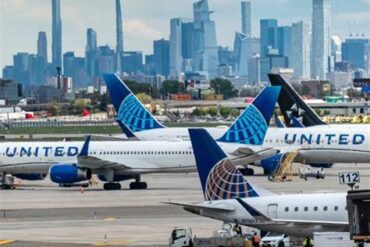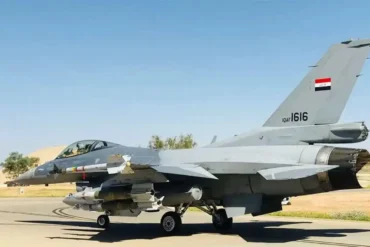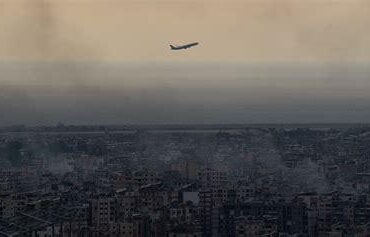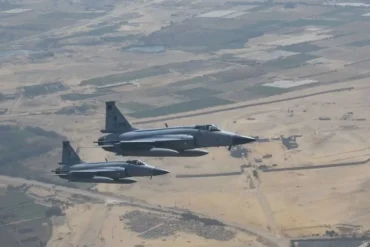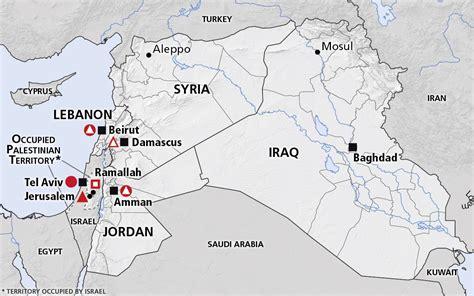
The long-standing conflict between Israel and Iran has significant implications that extend beyond immediate borders, affecting not just the nations involved but also their neighbors. As tensions escalate, a critical issue has emerged: a substantial rise in air ticket fares. This increase is impacting not only Israel but also its close neighbors, including Jordan, Syria, Iraq, and Pakistan. The tourism industry, which has been striving to recover from the aftermath of the pandemic, now faces another formidable challenge due to inflationary trends in aviation.
Israel: A Struggle for Affordable Travel
In Israel, a pivotal player in the ongoing conflict, airfares have soared as airlines respond to the volatile geopolitical landscape. The aviation sector in Israel has undergone significant disruption, with ticket prices escalating due to reduced flight availability and soaring operational costs. The ongoing conflict has compelled many international airlines to reconsider their flight routes, leading to service halts to Tel Aviv or rerouting flights over longer paths to avoid areas impacted by the unrest. For travelers seeking to visit Israel, this situation has resulted in a dramatic increase in travel costs. Flights that once offered reasonable rates have become prohibitively expensive, leading to a marked decline in tourism numbers. Consequently, tourism operators in Israel are experiencing a downturn in inbound tourists, prompting travelers to seek alternative, more affordable routes.
Jordan: Struggling to Maintain a Steady Flow of Tourists
Jordan, renowned for its historical sites like Petra and the Dead Sea, is also grappling with the repercussions of rising airfares. While Jordan remains largely insulated from direct conflict, the increased costs associated with flying to the region have led to a decrease in international visitors. Tourists eager to explore the archaeological marvels of Petra or bask in the serenity of the Dead Sea now find it increasingly expensive to travel to Jordan. The surge in flight costs can be traced back to multiple factors, including airspace restrictions, limited flight options, and the prevailing regional uncertainty stemming from the ongoing conflict. For tourism operators in Jordan, the hike in airfare prices translates into reduced booking numbers, as travelers pivot towards more budget-friendly destinations or choose to postpone their vacations altogether.
Syria: A Tourism Sector in Recovery Faces New Setbacks
Syria, still on the path to recovery from years of civil war, is experiencing yet another setback due to the rising airfares. The country’s tourism sector had recently shown signs of revival, with some travelers returning to discover its historical treasures, such as the ancient city of Palmyra. However, the ongoing conflict between Iran and Israel has exacerbated the costs associated with air travel, further deterring potential visitors. The increase in ticket prices has prompted many tourists to reevaluate their plans to visit Syria, as the escalating costs render trips to the region less feasible. Airlines operating in and out of Syria are either scaling back services or inflating prices to offset the risks linked to flying in a geopolitically unstable region. This shift has precipitated a decline in tourism arrivals, placing additional strain on the nation’s recovery efforts.
Iraq: Tourism Lags as Airfares Soar
Iraq, a country rich in historical and cultural significance, is similarly facing challenges due to the rise in airfares related to the ongoing conflict. Despite its importance within the Middle Eastern tourism circuit—especially for those interested in sites like Babylon or the religious significance of cities such as Najaf and Karbala—the surging travel costs have dampened its appeal. High airfares adversely affect not only leisure tourists but also religious pilgrims who typically travel to Iraq for significant observances. With ticket prices skyrocketing, many are choosing to defer their trips or consider other, more affordable destinations. This economic burden posed by elevated airfares is particularly challenging for Iraq’s tourism sector, already grappling with the lingering impacts of past conflicts and political instability.
Pakistan: Regional Impact Extends Beyond the Middle East
Pakistan, positioned to the east of Iran, is feeling the ramifications of rising airfares as well. Although Pakistan is not directly embroiled in the conflict, its geographical proximity to the areas most affected by the Middle Eastern turbulence has resulted in increased airfares across the region. Airlines operating within Pakistan have had to adjust ticket prices upward, resulting in a decline in international visitors. The tourism industry in Pakistan, known for its stunning natural landscapes and rich cultural heritage, is suffering due to these rising costs. Both leisure travelers and business visitors, who may have planned trips to Pakistan, are now reconsidering their travel arrangements due to financial constraints.
The Broader Economic Fallout
The surge in airfares triggered by the Iran-Israel conflict is part of a broader economic fallout impacting the entire region. Airlines are compelled to elevate ticket prices to accommodate the added expenses associated with rerouting, fuel, and increased insurance premiums in light of the uncertain political climate. As a result, travelers are confronted with significantly higher ticket prices, particularly in the Middle East and its surrounding areas. For nations like Israel, Jordan, Syria, Iraq, and Pakistan, the challenge extends beyond the immediate impact on tourism; it encompasses the wider economic consequences that accompany a decline in international visitors. As travel becomes more expensive, the tourism-dependent economies of these countries are poised to feel the effects for months, if not years, to come.
Tourism Industry Adjustments
In response to the escalating airfares, the tourism industry in the affected countries is actively seeking strategies to mitigate the impact. Some travel agencies and operators are exploring partnerships with airlines to offer discounted rates or package deals aimed at attracting tourists despite rising costs. Others are focusing on alternative marketing strategies, targeting local and regional travelers who may be less impacted by the increasing costs of international travel. However, the road to recovery for these nations’ tourism sectors remains long and uncertain. While efforts to attract visitors persist, the ongoing geopolitical situation poses a significant challenge. As the conflict endures, the tourism industries in Israel, Jordan, Syria, Iraq, and Pakistan must quickly adapt to the shifting realities of the region. The hope is that with time, stability will return, allowing tourism to once again become a driving force in these economies.
Far-reaching Consequences
The Israel-Iran conflict carries long-lasting repercussions, particularly for the nations in its vicinity. The spike in airline ticket prices, driven by Middle Eastern uncertainty, has tempered tourism across Israel, Jordan, Syria, Iraq, and Pakistan. As the costs of airline travel soar, numerous tourists are opting to forgo trips to these regions, resulting in a severe downturn in tourism. While the scenario continues to evolve, its broader impact on tourism and the respective economies of these nations is unequivocal. The rebound of the tourism market will heavily depend on the cessation of hostilities and the stabilization of air travel costs throughout the Middle East.