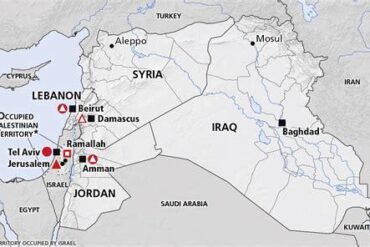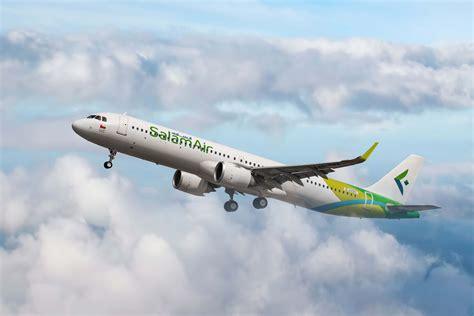
In a significant development for travelers in the Middle East, SalamAir, a prominent low-cost airline, has announced an extension of its flight suspension to and from Iran, Iraq, and Azerbaijan until June 30, 2025. This decision, deeply rooted in the escalating geopolitical tensions and unrest in these regions, underscores the airline’s steadfast commitment to passenger safety and operational integrity. The ongoing instability has necessitated a careful reevaluation of flight routes, leading to this extended halt not only for direct flights but also affecting passengers planning to connect through Muscat International Airport.
As part of this precautionary strategy, passengers who have booked flights to these destinations are being strongly encouraged to update their contact information through SalamAir’s official website. By utilizing the “Manage Booking” tool, travelers can ensure they receive timely notifications regarding their travel status. The airline has committed to closely monitoring the situation and is prepared to resume services as soon as it is deemed safe to do so.
The implications of this suspension stretch far beyond immediate travel inconveniences. For many international travelers, especially those flying from Europe, Asia, or other Middle Eastern countries, the closure of these routes translates into significant disruptions in connectivity. Muscat has long served as a vital transit hub for individuals traveling to Iran, Iraq, and Azerbaijan. With these connections now severed, travelers may encounter a host of challenges, including:
- Increased travel times due to necessary rerouting through alternative nations.
- Higher costs associated with unexpected travel changes.
- Fewer flight options, particularly detrimental for last-minute travel arrangements.
- Potential delays affecting family reunions, business commitments, and diplomatic travel.
The suspension also raises broader questions about the future of air travel in the region. Business travelers, members of the diaspora, and tourists alike may find their long-term plans disrupted, potentially leading to a shift in preferred airline hubs and altered itineraries across the Middle Eastern aviation landscape. It is crucial for travelers to be proactive during this period, staying informed and prepared for any changes that may arise.
The Strategic Importance of Muscat in Air Connectivity
This recent decision by SalamAir emphasizes the strategic role of Muscat as a regional aviation hub. With its position in the Gulf’s aviation network, any disruption at this key airport can create ripples across international schedules and commercial logistics. The airline’s choice to suspend flights to these volatile regions illustrates a measured approach to risk management, highlighting the pressing need for flexibility within the aviation industry. Airlines must be agile in their planning, ready to respond swiftly to emerging threats and adapt to the unpredictable nature of the current geopolitical climate.
As this situation unfolds, it is likely that other airlines operating in the region will take note of SalamAir’s decision, potentially leading them to reassess their own routes and operational strategies. The ongoing unrest in parts of West Asia presents unique challenges, and airlines must prioritize passenger safety while navigating these complexities.
Guidelines for Affected Passengers
For those impacted by this extended flight suspension, the message from SalamAir is unequivocal: Safety comes first. While such interruptions can be incredibly inconvenient, they arise from circumstances beyond the airline’s control. To facilitate a smoother experience during this challenging time, passengers are advised to:
- Stay informed: Regularly check emails and the airline’s official website for updates on the situation.
- Keep contact details updated: Ensure that phone numbers and email addresses in booking profiles are current to receive real-time alerts.
- Plan ahead: Consider alternative routes or potential delays, and remain flexible with travel plans.
By remaining vigilant and prepared, travelers can navigate the challenges posed by this ongoing suspension more effectively.
Conclusion: The Future of Air Travel in a Changing Landscape
As SalamAir extends its flight suspension to Iran, Iraq, and Azerbaijan, the airline reflects a growing trend among carriers prioritizing passenger safety in an increasingly uncertain world. This decision serves as a reminder of the interconnectedness of global travel and the profound impact of geopolitical events on commercial aviation. As conditions evolve, the industry must adapt and innovate to ensure safe and reliable travel options for all.
As we look to the future, it is essential for travelers to remain engaged and informed, working closely with airlines to navigate the complexities of an ever-changing aviation landscape.