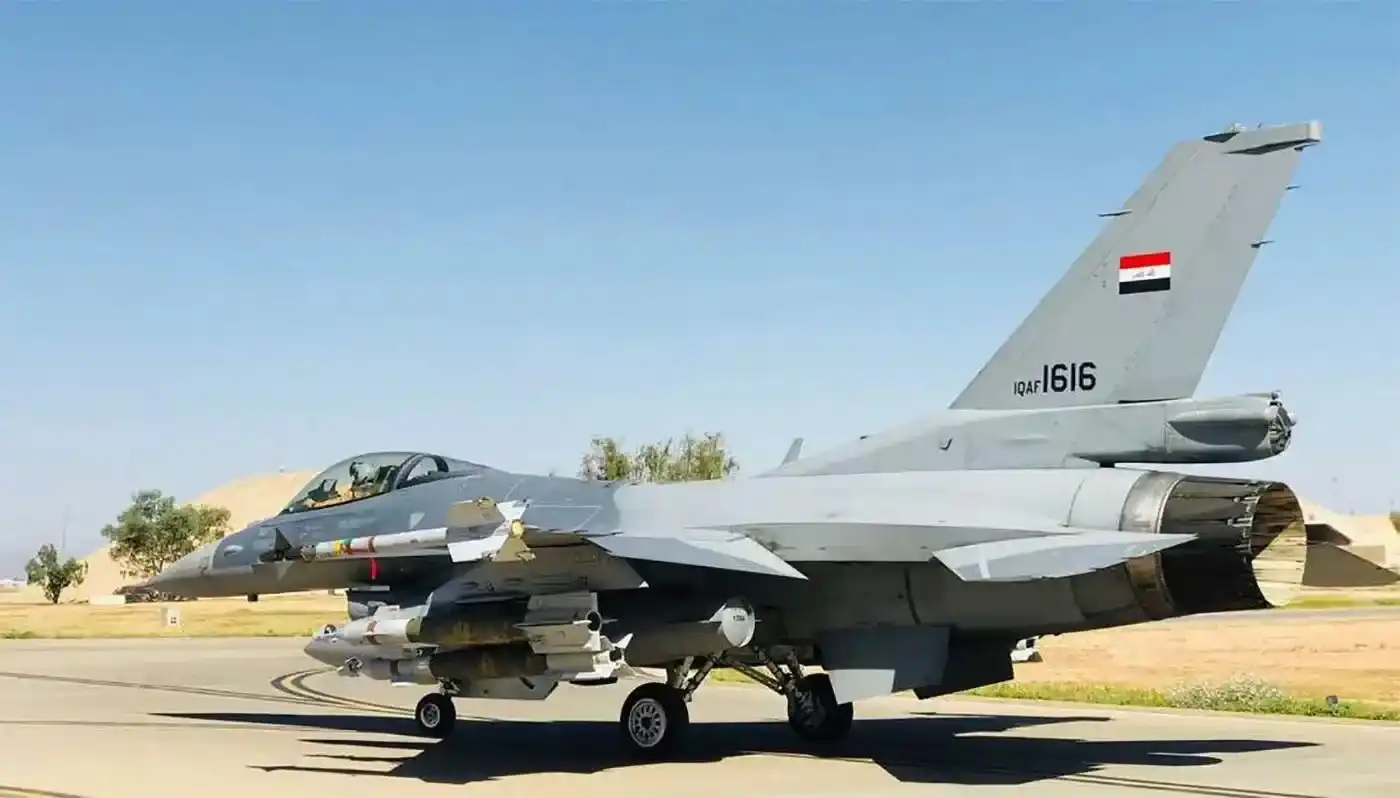
The United States has approved a $252,050,925 sustainment contract designed to keep Iraq’s F-16IQ fighter fleet fully operational at Martyr Brigadier General Ali Flaih Air Base, marking one of the most consequential U.S.–Iraq defense collaborations in recent years. The agreement, awarded to Vectrus Systems LLC under the Foreign Military Sales framework, secures critical base operations, life-support, and layered security through September 2026, anchoring Iraq’s airpower readiness at a moment of elevated regional volatility.
Strategic U.S.–Iraq Defense Alignment Under a High-Stakes Contract
The newly awarded contract consolidates a wide array of base operations support functions into a single long-term framework, ensuring that the airbase remains stable and fully functional despite fluctuating threat conditions. By utilizing a cost-plus fixed-fee, indefinite-delivery/indefinite-quantity structure, Washington prioritizes continuity, availability, and resilience over short-term deliverables. This model grants Vectrus responsibility for essential operational pillars such as utilities, airfield services, warehousing, force protection, communications infrastructure, and fuel management — all of which directly shape whether the F-16 fleet can generate steady sortie rates.
Securing a Base That Has Endured Years of Militia Threats
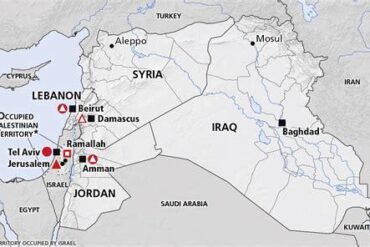
Martyr Brigadier General Ali Flaih Air Base (formerly Balad Air Base) serves as the beating heart of Iraq’s fixed-wing combat aviation. Located north of Baghdad in Salah al-Din province, it hosts the nation’s frontline F-16 squadrons responsible for precision strike missions against ISIS remnants in Kirkuk, the Hamrin mountain range, and along the Syrian frontier. The base also facilitated cross-border airstrikes into Syria during the height of the ISIS campaign, underscoring its operational value beyond Iraq’s borders.
This strategic weight has made the base a recurring target for Iran-aligned militias, whose rocket and drone attacks between 2019 and 2021 repeatedly injured personnel and forced the temporary withdrawal of foreign contractors. During one such withdrawal in 2021, Iraq’s F-16 readiness suffered severe degradation as domestic crews struggled to maintain aircraft without specialized support. The new Vectrus contract seeks to prevent similar disruptions by embedding a unified, continuous support ecosystem hardened against both logistical gaps and security shocks.
Operational Backbone for Iraq’s Frontline Fighter Fleet
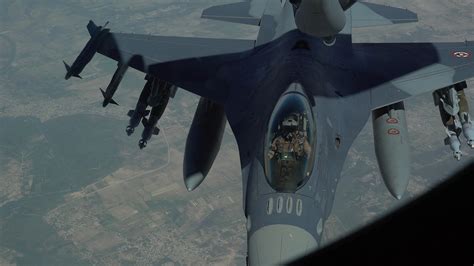
Beyond its symbolic significance, the contract directly strengthens Baghdad’s ability to conduct counterterrorism operations. The F-16IQ, equipped with precision-guided munitions and modern avionics, remains Iraq’s most capable platform for striking insurgent hideouts in difficult terrain where ground forces cannot easily maneuver. Reliable sustainment ensures that surveillance flights, defensive counter-air missions, and rapid-response strike packages remain available even as regional tensions surge.
From the U.S. perspective, a functioning Iraqi air arm supports burden-sharing in scenarios where direct American involvement could be politically sensitive. In crisis conditions involving Iran or escalating militia threats, a capable Iraqi Air Force complicates Tehran’s strategic calculus by introducing an additional, U.S.-aligned airpower node west of Iranian territory.
Geopolitical Weight in a Time of U.S.–Iran Confrontation
The timing of the contract adds a layer of geopolitical significance. The year 2025 has seen renewed U.S.–Iran confrontation, including strikes on Iranian nuclear infrastructure and retaliation threats against American installations across the Middle East. Washington has simultaneously increased pressure on Iran-aligned Iraqi militias, designating several as terrorist organizations. In this climate, anchoring Iraq’s main F-16 base with robust logistics, hardened security, and stable life-support systems strengthens the country’s defensive posture and enhances U.S. crisis-response options.
A Long-Term Investment in Iraq’s Sovereign Airpower
For Iraq, the sustainment contract represents a careful balance of sovereignty and strategic necessity. While Baghdad publicly emphasizes the drawdown of foreign combat forces, it has consistently requested continued technical support for high-end platforms such as the F-16IQ. Structuring this assistance under the government-to-government Foreign Military Sales system signals Iraq’s commitment to institutionalizing the fighter fleet as a central pillar of national defense.
The arrangement grants Iraq space to expand its cadre of technicians, logisticians, and base defense personnel who will eventually take on a greater share of responsibilities. Strengthening infrastructure and security at Martyr Ali Flaih ensures that the airbase does not again suffer the collapses in readiness seen during past contractor withdrawals.
Integrating Iraq into a Wider Western Sustainment Architecture
The Air Force Life Cycle Management Center at Wright-Patterson Air Force Base oversees the program, integrating Iraq’s fleet into the same sustainment networks that support allied fighter programs globally. The contract’s sole-source structure favors continuity and institutional memory, allowing experienced teams familiar with the airbase’s history and unique challenges to maintain operational stability.
This mirrors sustainment practices for other allied air forces that operate Western fast jets without fully mature domestic maintenance ecosystems. Over time, these arrangements serve as stepping stones toward greater self-sufficiency, while ensuring high sortie-generation rates during the transition.
A Reinforced Airbase at the Center of Regional Security Dynamics
The Vectrus contract is ultimately more than a sustainment package. It is a structural reinforcement of Iraq’s principal fighter hub, a security investment in a base long targeted by Iran-aligned groups, and a reaffirmation of the U.S.–Iraq defense partnership as the region enters an uncertain strategic phase.
By consolidating base operations, improving life-support resilience, and strengthening perimeter defenses, the contract positions Martyr Ali Flaih Air Base as a protected, fully functional node in Iraq’s airpower architecture through at least 2026. In doing so, it helps ensure that Iraq retains a credible, interoperable F-16 fleet capable of supporting national security priorities while contributing to broader regional stabilization efforts.