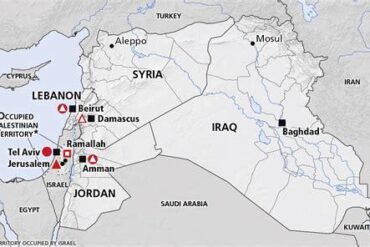
In a significant move reflecting the escalating geopolitical tensions in the Middle East, major U.S. airlines American Airlines, United Airlines, and Delta Air Lines have announced temporary suspensions of their flights to and from the region. This decision comes as the security situation deteriorates, raising serious concerns over the safety of air travel in light of heightened military conflicts involving Israel, Iran, and Iraq. The airlines are taking these precautionary measures to protect passengers and ensure operational safety, particularly given the ongoing volatility in airspace management over contested regions.
The recent escalation of hostilities has not only affected the local populace but has also had profound implications for international travel. As tensions between these nations reach alarming levels, travelers planning to visit the Middle East are now faced with uncertainty regarding their travel itineraries and the timeline for potential flight resumption. With air travel routes being significantly impacted, this situation has forced many passengers to reconsider their plans and make alternative arrangements.
United Airlines Suspends Newark-Dubai Route
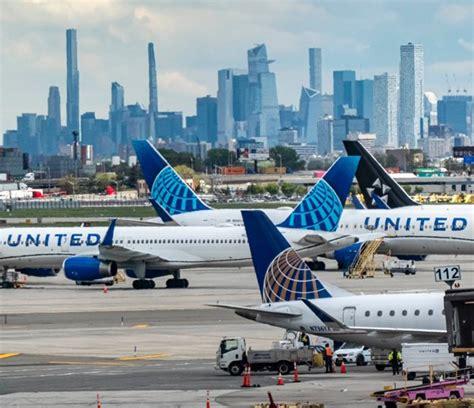
United Airlines has announced the suspension of its daily flights between Newark Liberty International Airport and Dubai, effective immediately. This route, which serves as a critical link for many travelers seeking to connect with various destinations in the Middle East, has been halted due to the escalating tensions that have raised alarms regarding passenger safety. Although United has not specified a date for the resumption of services, the airline has indicated that the decision was made in light of the potential risks associated with the ongoing conflict. The proximity of the clashes to essential air corridors is a significant factor influencing this decision, leaving many travelers stranded and uncertain about their future travel plans.
American Airlines Halts Flights to Doha
Following suit, American Airlines has also suspended its flights to the Middle East, specifically halting services between Philadelphia International Airport and Doha, Qatar. This suspension went into effect immediately, with the last flight to Doha having departed early Thursday. This critical route’s cessation highlights the broader impacts of the current geopolitical landscape on international travel. Although American Airlines has not provided detailed explanations for its decision, it has reaffirmed that the suspension is a necessary precaution amidst ongoing safety concerns in the region. Passengers are now left to navigate the complexities of altered travel schedules as they seek alternative means to reach their destinations.
Delta Air Lines Suspends Service to Tel Aviv
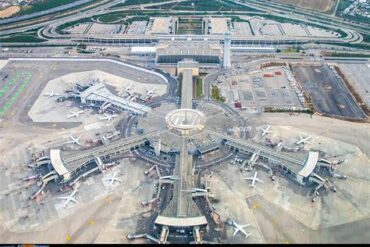
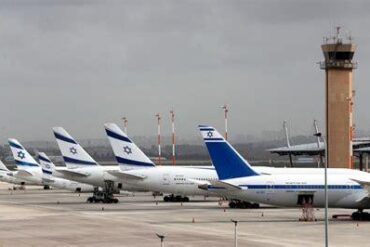
Delta Air Lines has also taken decisive action by suspending flights between New York’s John F. Kennedy International Airport and Tel Aviv, Israel. This suspension, initiated last week, will remain in effect until August 31, 2025, reflecting the airline’s commitment to prioritizing passenger safety amid escalating conflict. The closure of Ben Gurion International Airport, Israel’s primary international gateway, due to the ongoing military operations has rendered it impossible for Delta to maintain regular flight operations without incurring significant risks. As the conflict intensifies, airlines face logistical challenges that complicate standard operations, forcing them to reassess flight schedules and routes.
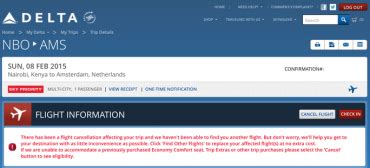
International Airlines Affected by Regional Disruptions
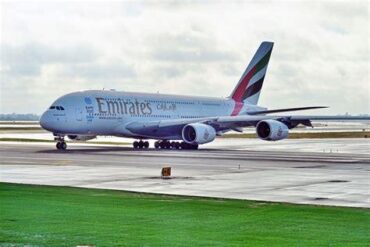
The ramifications of the Israel-Iran conflict extend beyond U.S. airlines, impacting major international carriers such as Emirates, Etihad Airways, and Lufthansa. These airlines have also canceled or modified several routes within the region, further complicating the air travel landscape. Reports from aviation industry news outlets, including AviationA2Z, indicate that these cancellations stem from heightened conflicts following Israel’s military operations targeting Iran’s nuclear and military infrastructure, dubbed Operation Rising Lion. This operation commenced in late May after intelligence suggested that Iran was nearing the development of nuclear weapons, leading to a series of retaliatory strikes that have escalated tensions across the region.
As airspace closures become more common, the disruption to global air travel intensifies. Countries in the region are increasingly shutting down their airspaces to commercial flights, compounding the challenges faced by airlines and travelers alike. The Israeli Ministry of Transportation has announced an indefinite closure of Israeli airspace, leaving airlines scrambling to revise flight schedules and manage the fallout from these restrictions. Simultaneously, the U.S. Embassy in Jerusalem has issued a Level 4 travel advisory, warning U.S. citizens against traveling to Israel due to “armed conflict, terrorism, and civil unrest.” Furthermore, the State Department is actively working to facilitate the safe departure of U.S. citizens from Israel, employing various means, including evacuations via cruise ships.
Impact on Travelers and the Aviation Industry
The ongoing conflict continues to disrupt the plans of countless travelers, many of whom are grappling with canceled flights and altered itineraries. Airlines like American, United, and Delta are striving to assist affected passengers; however, the uncertainty surrounding the conflict complicates their ability to provide definitive timelines for service restoration. For the broader aviation industry, this crisis underscores the vulnerabilities of flight routes traversing conflict zones. Airlines are becoming increasingly cautious about operating in regions fraught with geopolitical instability, prompting a reevaluation of risk management strategies and route planning.
Ongoing Challenges and Alternative Travel Plans
As the situation unfolds, travelers hoping to visit the Middle East or transit through the region must remain vigilant and informed about potential delays, cancellations, or changes to flight routes. With the evolving nature of the conflict, alternative travel arrangements may be necessary for those intending to travel to or from the region in the coming months. This ongoing crisis serves as a stark reminder of the delicate balance between international air travel and geopolitical dynamics. Airlines are tasked with safeguarding their passengers while navigating the operational demands of maintaining a global air network, all while travelers must adapt to the uncertainties stemming from events beyond their control.
In conclusion, the temporary suspensions of flights by American, United, and Delta Air highlight the priority placed on passenger safety amidst escalating tensions in the Middle East. As the situation remains fluid, affected travelers should stay updated and flexible, as the aviation industry grapples with the significant challenges posed by the current geopolitical landscape.