Most travelers treat airport security as a box to tick: pack light, keep the liquids bag handy, reach the front of the queue, and move on. That confidence is exactly what blinds experienced flyers to a set of perfectly legal, ordinary items that quietly pull bags out of line, send travelers to secondary screening lanes, and occasionally result in gifts and supplements being thrown away at the checkpoint. In 2026, the Transportation Security Administration, USA.gov guidance, and Department of Defense travel advisories define firm operational thresholds across identification, liquids, powders, and everyday goods, and those thresholds do not bend because an item is a snack, a toiletry, or a thoughtful holiday gift for relatives. What follows is a detailed breakdown of seven commonly misunderstood triggers, each drawn from official, source-validated rules, plus the practical habits that keep a traveler moving through the checkpoint instead of standing at a table explaining a tub of protein powder.
Firearms in Unchecked Bags: The Item That Stops an Entire Checkpoint
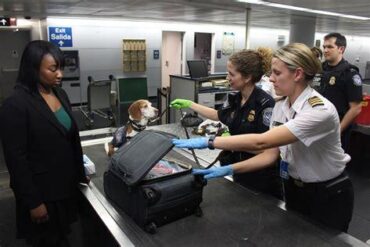
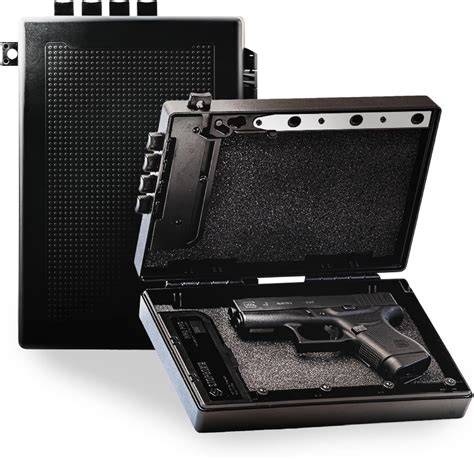
The most severe and least forgiving trigger is a firearm, or undeclared ammunition, found inside a carry-on bag. Passengers who legally transport a firearm for a hunting trip routinely make the same mistake: they leave the sidearm tucked in an exterior compartment, convinced that a locked case at home or a planned check later will satisfy the rules. When a weapon appears on the X-ray monitor, the checkpoint shuts down for the bag, law enforcement is called in, and the traveler faces consequences that far exceed a missed boarding slot. Civil penalties enforced by the TSA can reach approximately $15,000, and the offending traveler also loses access to TSA PreCheck for a mandatory five years. The only compliant path for a legally transported firearm is to keep it completely unloaded, locked inside a hard-sided container, and declared at the airline check-in counter for checked baggage. Because those boundaries are set in federal rule rather than airport preference, there is no exception, and checking for stray magazines, lone rounds, or forgotten pocket items before packing is the simplest defense against catastrophic legal and financial outcomes.
Corkscrews and Kitchen Knives: Where Sharp-Object Rules Draw the Line
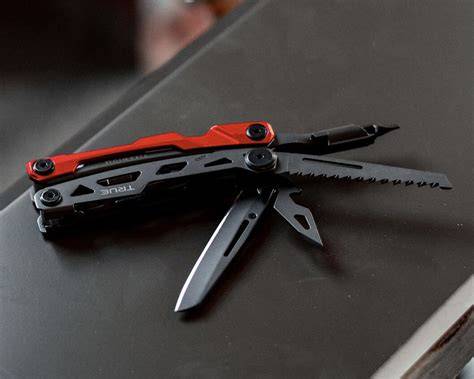
A multi-tool with a built-in corkscrew and folding blade feels like harmless luggage prep, yet sharp-object guidance separates bladeless accessories from bladed tools in a way most passengers never read closely. Corkscrews with an integrated blade and standard kitchen knives are universally banned from carry-on bags, so they land on the immediate confiscation list when X-ray inspection flags them. The single knife exception applies narrowly to blunt-edged butter knives, meaning sharp culinary gear belongs in checked luggage only. Enforcement agencies have documented travelers resorting to outright deception, including a case in Dane County, Wisconsin, where a passenger taped a knife to the bottom of a carry-on bag to dodge a checked-bag fee. That gamble rarely pays off: hidden blades surface on screening monitors and convert an ordinary transit stop into a disposal, an interview, or worse. Swapping a bladed corkscrew for a bladeless alternative is the cleaner solution, since a foldout bottle opener or bare corkscrew screw serves an identical purpose without halting the line.
Eggnog, Cranberry Sauce, and the 3.4-Ounce Rule
Seasonal travel tempts passengers to hand-carry gifts that relatives cannot easily find elsewhere, and homemade cranberry sauce, jarred preserves, and cartons of eggnog rank among the most common. Federal liquid rules classify all of them as liquids or gels subject to the 3.4-ounce (100-milliliter) carry-on limit, regardless of how traditional or non-threatening they appear. Any sauce, spread, or festive beverage above that threshold is prohibited in the cabin and must move to a checked bag before the traveler enters the security queue. Wrapped gifts compound the problem: security officers will unwrap packages containing drinks or preserves that exceed the threshold, and the uninspected gift ends up unsealed on the checkpoint belt. Solid food alternatives travel without friction, and when the item cannot be sacrificed, checked baggage is the only reliable option. The frustration is avoidable, and the number of travelers who begin a family visit by abandoning a homemade gift at security is far higher than most would guess.

Butane Curling Irons and the Cartridge Ban Most Travelers Never Read
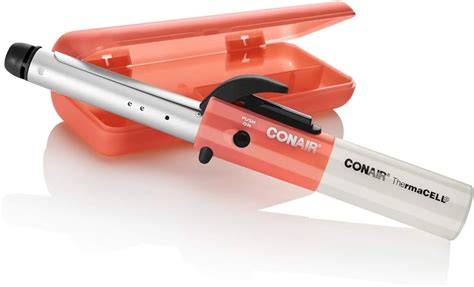
Cordless butane styling tools occupy an unusual middle ground in security rulebooks. The devices themselves are permitted in carry-on luggage, but only if a secure safety cover is fitted over the heating element at all times during transport. The strictest detail concerns fuel: spare butane cartridges are prohibited anywhere in passenger baggage, so an uninstalled refill left in a toiletries pouch triggers immediate confiscation. Many travelers pack a second cartridge for short trips without realizing that the accessory, not the tool, is the item that fails the check. Because cordless butane tools are also restricted from checked baggage in certain configurations, checking the current TSA guidance before leaving home prevents an awkward choice at the screening lane. Verification takes less than two minutes and spares the traveler a station-style lecture about compressed gas canisters while a favorite styling tool heads for the disposal bin.
Contact Lens Solution and Prescription Liquids: Exemptions With Conditions
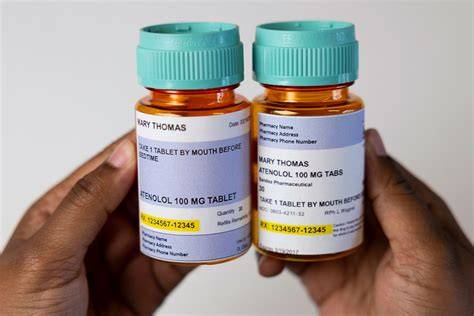
Large bottles of contact lens solution and liquid prescription medications sit in a category that offers genuine relief but comes wrapped in precise obligations. Medical exemptions do exist for legitimate therapeutic needs, and liquid prescriptions are exempt from the standard three-one-one volume caps, yet the exemption is not automatic in practice. Travelers must declare liquid medications to security officers before screening begins rather than waiting for an officer to discover them, and flagged prescription liquids may be subjected to specialized testing, including vapor analysis, to verify chemical composition and confirm checkpoint safety. Multi-purpose lens solutions are a frequent source of alarm activations, which is why TSA guidance on tsa.gov explicitly warns that certain formulations can set off screening equipment even when they are entirely benign. Informing officers early and separating medical liquids from the rest of the carry-on contents accelerates inspection for the whole traveling party and everyone behind them in the queue. Travelers with qualifying medical needs should contact TSA in advance so that expectations, documentation, and packaging are settled long before the checkpoint belt.
Protein Powder, Energy Mixes, and Baby Powder Above 12 Ounces
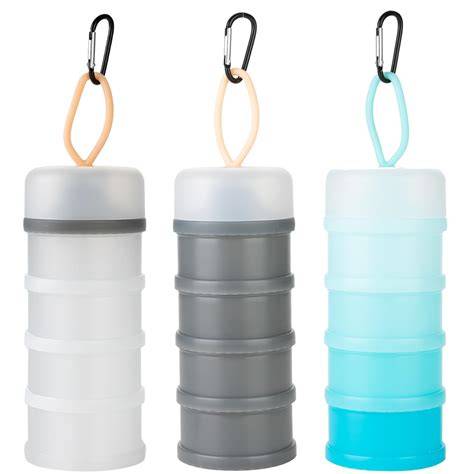
Supplement routines do not pause because a traveler is boarding a flight, and that is how large containers of post-workout protein powder, energy blends, and baby powder end up in carry-on bags. Security guidelines treat powdery substances as a distinct category: any powder exceeding 12 ounces (350 milliliters) triggers mandatory separate screening at the security lane, and officers may need to test the substance directly. When X-ray inspection cannot definitively determine the composition of a large container, the material may face voluntary or mandatory disposal, a policy designed to keep cabins safe and to prevent dense powders from obscuring organic items on screening monitors. Transferring a serving or two into containers under 12 ounces, or placing the full tub in checked luggage, avoids the checkpoint restriction altogether. Travelers who insist on keeping supplements in checked bags should seal containers against spills and label them clearly, which reduces the likelihood of secondary screening delays and of arriving at a destination without the product they rely on.
Non-REAL ID Licenses and the ConfirmID Receipt
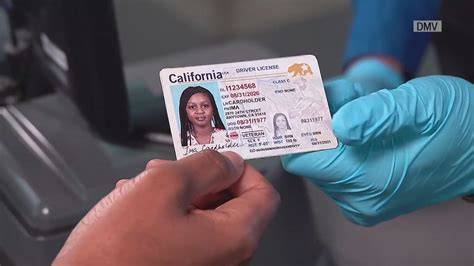
Identification failures sit at the root of more checkpoint rejections in 2026 than most travelers anticipate. A standard state driver’s license placed casually in a wallet no longer guarantees unverified passage now that REAL ID Act enforcement is fully active, and a non-compliant card can stop a traveler at the document check before bags are even screened. The TSA ConfirmID program, launched in February 2026, provides a temporary workaround for travelers caught without compliant identification: a $45 fee buys a 10-day validity window, and the traveler must present either an electronic or printed proof-of-payment receipt at the checkpoint. Defense Travel Management Office documentation notes that the fee is non-reimbursable for official travel, so military and government travelers cannot expect to reclaim it. Checking that a license meets federal standards weeks before departure, renewing a REAL ID card early, and keeping a digital or printed receipt readily accessible when using a temporary program are the habits that prevent document-stage rejections. Identification compliance is the one trigger on this list that travelers can fully eliminate at home, before the suitcase is even opened, and that single step is worth more than any amount of repacking at the terminal.
Packing Habits That Keep the Checkpoint Moving
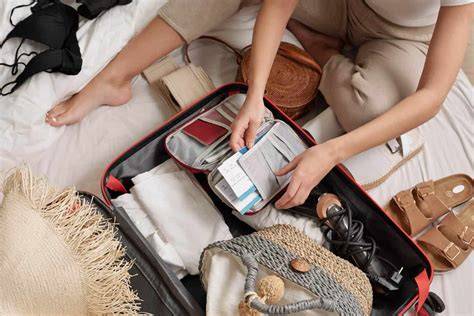
Every item on this list shares a common thread: the rules are published, stable, and readable in minutes, yet the details are buried in advisories that most passengers never open. A deliberate packing routine closes that gap. Travelers should unpack every bag at home against the official prohibited-items guidance, move any knife, liquid gift, large powder, or fuel cartridge into checked luggage, declare medical liquids and firearms at the appropriate stage, and verify identification well ahead of the trip. Dressing for security also matters, since pockets, layers, and accessories create avoidable secondary checks that have nothing to do with the bag itself. The travelers who move fastest through a checkpoint are rarely the ones who pack the lightest; they are the ones who have already answered every question the screening officers might ask, so the lane becomes a formality rather than an investigation.