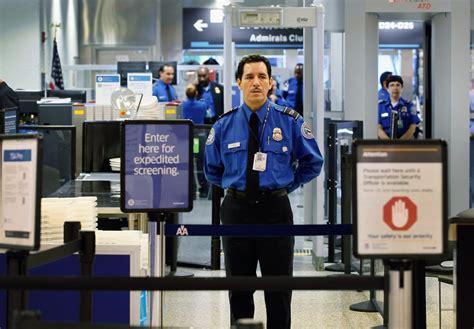
Airlines across the United States are preparing for one of the biggest changes to crew security screening in more than a decade. Beginning in 2027, the Transportation Security Administration (TSA) will fully replace the long-running Known Crew Member (KCM) program with the new Crew Member Access Point (CMAP) system, shifting responsibility for crew screening directly into federal hands. The transition comes with a substantial price tag, with American Airlines, Delta Air Lines, and United Airlines expected to collectively pay approximately $6.8 million every year to participate in the new program.
While the new fees represent a significant operational expense, major airlines view the investment as essential. Fast, predictable access through airport security is critical for pilots and flight attendants who often have limited time between arriving at the airport and reporting for duty. Even minor delays at security checkpoints can ripple through an airline’s network, affecting departures, aircraft utilization, and passenger connections.
Unlike the existing KCM system, which has operated as a partnership between airline organizations and the TSA since 2011, CMAP places virtually every aspect of crew verification, database management, and access control under direct federal oversight. The change reflects the government’s desire to modernize crew screening following several high-profile security and technology incidents that exposed weaknesses in the existing framework.
Why the TSA Is Replacing the Known Crew Member Program
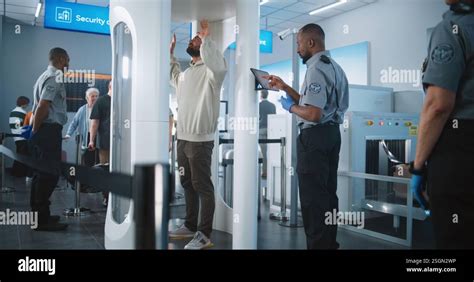
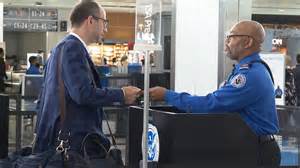
The Known Crew Member program was originally introduced to streamline airport security for professional flight crews. Instead of passing through the same screening lanes as passengers before every flight, verified pilots and flight attendants could access dedicated checkpoints after their employment credentials were confirmed through airline-managed databases.
For years, the system helped reduce congestion at airports while ensuring flight crews reached aircraft on schedule. The program also minimized unnecessary delays that could disrupt airline operations, particularly during busy travel periods when passenger security lines became lengthy.
However, KCM relied heavily on airline associations maintaining personnel records while the TSA handled identity verification at checkpoints. Under CMAP, that responsibility shifts almost entirely to the federal government. The TSA will maintain its own roster of authorized crew members, allowing information to be updated directly through government systems rather than relying primarily on airline-managed databases.
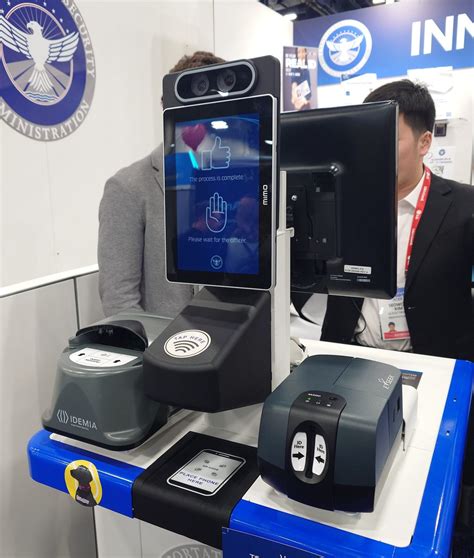
The modernization effort also introduces expanded biometric identity verification, providing an additional layer of security intended to reduce identity fraud and strengthen oversight of authorized personnel.
American Airlines Will Shoulder the Largest Annual Cost
Among all participating carriers, American Airlines is expected to pay the highest annual participation fee because of its enormous workforce. The airline employs approximately 30,000 flight attendants and 17,500 pilots, resulting in an estimated annual CMAP cost of roughly $2.64 million.
The TSA’s participation fee of approximately $19 per eligible crew member scales with airline size, meaning carriers with larger pilot and cabin crew workforces naturally face higher bills.
Estimated annual CMAP participation costs include:
- American Airlines: approximately $2.64 million
- United Airlines: approximately $2.17 million
- Delta Air Lines: approximately $1.95 million
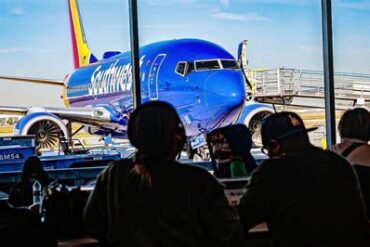
- Southwest Airlines: approximately $1.38 million
- JetBlue: approximately $456,000
Although these figures represent millions of dollars in new annual expenses, airlines generally view expedited crew processing as far less costly than operational disruptions caused by delayed flight crews.
Operational Reliability Matters More Than the New Fees
For airline network planners, keeping crews moving efficiently through airports is not merely a convenience—it directly affects profitability.
Pilots and flight attendants often report for duty shortly before scheduled departures, particularly during aircraft rotations involving multiple flights throughout the day. If a crew becomes delayed at security, the aircraft cannot legally depart until required staffing levels are present onboard.
A single delayed departure can trigger cascading disruptions across an airline’s schedule, affecting aircraft positioning, connecting passengers, and subsequent crew assignments. By maintaining dedicated screening points under TSA supervision, airlines hope CMAP will provide greater consistency even as additional security measures are introduced.
The program may ultimately reduce the need for crew members to enter crowded passenger screening lanes whenever random checks occur, helping preserve operational reliability during peak travel periods.
Security Incidents Accelerated the Transition
The move toward direct TSA management was influenced by several serious incidents that raised concerns about vulnerabilities within the KCM framework.
One of the most significant cases emerged in 2024 at John F. Kennedy International Airport in New York. Federal investigators arrested four flight attendants accused of exploiting KCM privileges while participating in an operation involving the movement of more than $8 million in drug proceeds connected to an international fentanyl trafficking network.
The investigation highlighted how trusted-crew programs can be abused when individuals intentionally exploit expedited access designed for legitimate airline personnel.
Although such incidents remain extremely rare compared with the vast number of daily crew movements, they reinforced calls for tighter federal oversight and stronger identity verification procedures.
Cybersecurity Weaknesses Also Raised Concerns
Physical security was not the only challenge facing the previous system.
Researchers uncovered a significant cybersecurity vulnerability affecting FlyCASS, a third-party platform used by some regional and smaller airlines participating in KCM. The flaw reportedly allowed attackers to exploit a SQL injection vulnerability capable of manipulating administrative functions within the authorization system.
While authorities responded quickly after learning of the issue, the incident underscored the importance of consolidating sensitive personnel information within government-managed infrastructure featuring standardized cybersecurity protections.
By maintaining centralized databases under TSA administration, officials aim to reduce dependence on multiple external systems while strengthening monitoring and access controls.
American Airlines Previously Considered Leaving KCM
Interestingly, American Airlines had already questioned its continued participation in KCM several years before CMAP was announced.
During 2022, multiple American crew members were found carrying prohibited items, including narcotics and weapons, during random inspections conducted under the KCM program. Those discoveries resulted in increased random screening rates for American employees.
The airline reportedly worried that additional screening would cause operational delays if crew members frequently had to join regular passenger security lines before flights. Rather than abandoning expedited screening altogether, the introduction of CMAP offers a federally managed alternative designed to restore confidence while maintaining efficient crew processing.
Early Rollout Signals the Beginning of a Nationwide Transition
The transition has already begun at selected airports before nationwide implementation.
Initial CMAP operations have launched at Ronald Reagan Washington National Airport and Washington Dulles International Airport, with additional rollout expanding to Harry Reid International Airport in Las Vegas. These early deployments allow the TSA and participating airlines to refine procedures before the full nationwide transition scheduled for 2027.
Testing at major airports provides valuable operational feedback, helping identify potential bottlenecks before millions of annual crew movements shift to the new system.
A More Secure Future for Airline Crew Screening
The replacement of KCM with CMAP represents far more than an administrative change. It marks a significant evolution in how airline crew members are verified, screened, and managed within the United States aviation security system.
While airlines will collectively spend millions of dollars every year to participate, the investment supports a program designed to improve both security and operational consistency. Centralized federal management, biometric verification, and standardized databases aim to reduce vulnerabilities exposed by recent criminal investigations and cybersecurity incidents.
Some crew members may experience slightly longer screening times compared with the previous system, particularly as enhanced verification procedures become routine. Nevertheless, dedicated crew access points should continue to keep professional flight crews separate from passenger screening lines while providing airport operators with greater flexibility and security oversight.
As CMAP expands nationwide over the coming year, airlines and the TSA will closely monitor whether the new system successfully balances efficiency with stronger security. For an industry where minutes can determine whether flights depart on schedule, achieving both objectives will be essential.