The future of airport security in the United States is entering a new phase as Tampa International Airport (TPA), Des Moines International Airport (DSM), and Charleston International Airport (CHS) become the first three airports to adopt the Transportation Security Administration’s new TSA Gold Plus private screening model. The program represents a major shift in how passenger checkpoints may be operated, allowing private security contractors to manage screening personnel and technology while remaining under TSA oversight.
The move has created a sharp debate between supporters who believe private screening can reduce airport congestion and critics who argue that replacing federal officers with contractors could weaken the public-service mission of aviation security. At the center of the discussion is a larger question: can a private-sector approach deliver faster and more flexible airport screening without compromising safety standards?
TSA Gold Plus Emerges After Airport Security Crisis
The introduction of TSA Gold Plus follows a period of severe disruption caused by government shutdown-related staffing challenges. During the longest government shutdown in US history, TSA officers were required to continue working despite delayed paychecks, creating significant operational pressure across the aviation system.
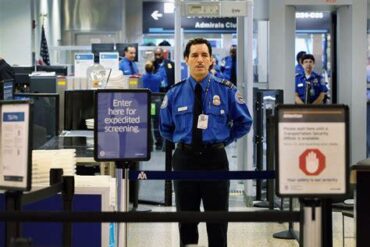
At several airports, security checkpoints experienced extreme delays, with passengers facing hours-long waits and lines stretching beyond terminal areas. Some travelers encountered flight disruptions as airports struggled to maintain normal screening capacity. The crisis highlighted the vulnerability of relying entirely on a federal workforce during prolonged political disputes.
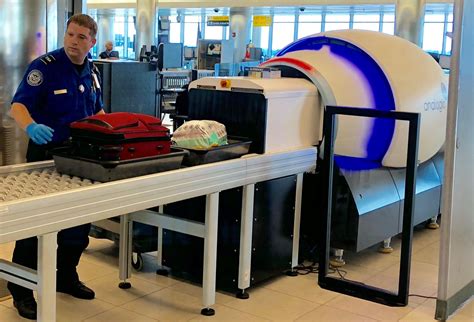
The new program expands on the existing Screening Partnership Program (SPP), which already allows participating airports to use private contractors for passenger screening instead of directly employing TSA officers. More than 20 airports have used the partnership model, including during periods when additional flexibility was needed to maintain operations.
Supporters of Gold Plus argue that private contractors can provide more predictable staffing levels and reduce the impact of federal workforce disruptions. They believe airports should have more control over their security operations, especially during unusual situations that create sudden staffing shortages.
How Private Contractors Will Change Airport Screening Operations
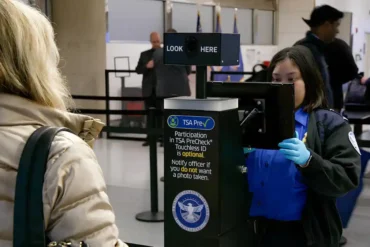
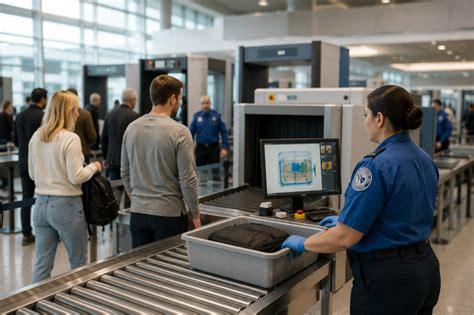
Under the TSA Gold Plus model, participating airports will not simply replace TSA officers with private guards. The program allows approved contractors to manage checkpoint employees and operate screening technology while TSA continues providing regulatory oversight, security standards, and supervision.
This structure is designed to create a balance between federal security requirements and private-sector efficiency. The TSA will continue establishing procedures, monitoring performance, and ensuring that contractors meet national aviation security standards.
However, critics argue that transferring checkpoint operations to private companies creates potential risks. They believe aviation security should remain a direct government responsibility because the primary objective should always be public protection rather than operational cost savings.
The American Federation of Government Employees (AFGE), which represents approximately 47,000 TSA employees, has strongly opposed the expansion of Gold Plus. The union argues that privatization could reduce worker protections and replace experienced federal officers with lower-paid contractors.
AFGE leaders have also warned that airport security should not become dependent on corporate priorities. They point to the security failures before the September 11 attacks, when airport screening was primarily handled by private companies, as an important historical lesson about the importance of government oversight.
Supporters Highlight Efficiency and Operational Flexibility
Despite opposition, advocates of the program believe TSA Gold Plus offers important advantages for smaller and mid-sized airports. Many airports struggle with staffing shortages, seasonal passenger increases, and limited resources compared with major international hubs.
Private screening companies can often adjust hiring and scheduling more quickly than federal agencies. Supporters say this flexibility could help airports avoid long security lines and improve the passenger experience.
The TSA has described Gold Plus as an evolution in aviation security management, emphasizing that private contractors will still operate within strict federal guidelines. The agency maintains that the program is not a removal of TSA authority but rather a different operational model designed to improve reliability.
Some aviation industry leaders have also supported keeping privatization voluntary. They argue that individual airports should be able to decide whether the model fits their operational needs rather than forcing every airport into a single approach.
First Three Airports Prepare for Transition
The three airports joining the TSA Gold Plus program will follow different transition schedules. Des Moines International Airport is expected to begin the change early next year, while Tampa International Airport has planned its transition for May 2027. Charleston International Airport has announced participation but has not yet established a final implementation date.
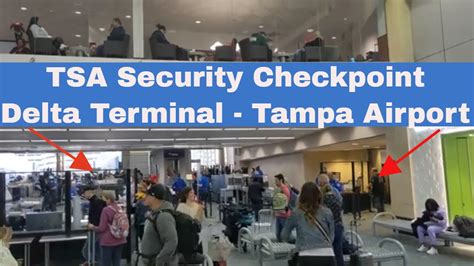
The transition process will likely involve extensive coordination between airport officials, TSA representatives, and private contractors. Companies participating in the program must meet federal requirements, maintain properly trained personnel, and ensure that security technology continues operating according to TSA standards.
Existing TSA officers may also have opportunities to move into private-sector positions. TSA Administrator David Cummins has stated that current employees will receive a right of first refusal to transfer to contracted agencies while maintaining comparable pay and benefits.
Companies already involved in the existing screening partnership system may have an advantage because they possess established hiring processes, security clearances, and operational experience.
The Future of Airport Security Privatization in America
The adoption of TSA Gold Plus at Tampa, Des Moines, and Charleston could become a significant test for the future of airport security in the United States. If the program successfully reduces delays while maintaining strong security performance, more airports may consider following the same path.
The broader debate, however, extends beyond staffing and efficiency. It reflects a long-running discussion about the role of government in protecting critical infrastructure and whether private companies can deliver essential public services effectively.
The administration’s broader budget proposals have suggested expanding private screening options to hundreds of smaller airports, potentially creating one of the largest changes to US airport security operations since the creation of the TSA after 9/11.
For travelers, the biggest measure of success will be simple: shorter lines, reliable screening, and confidence that security remains strong. The coming years will determine whether TSA Gold Plus becomes a practical modernization effort or a controversial turning point in the history of American aviation security.