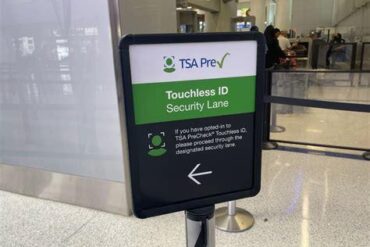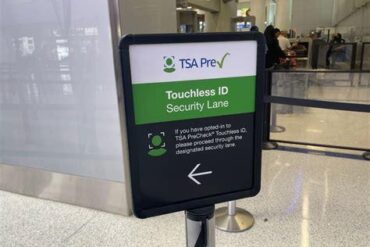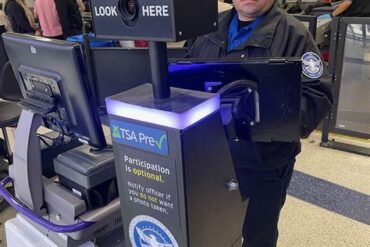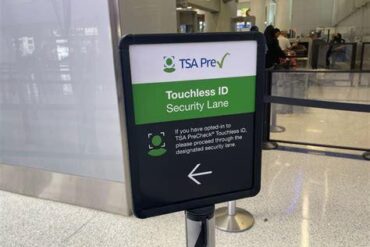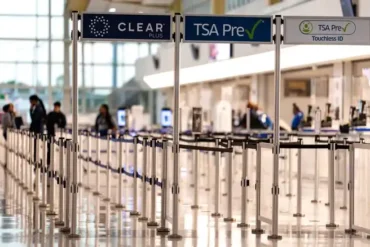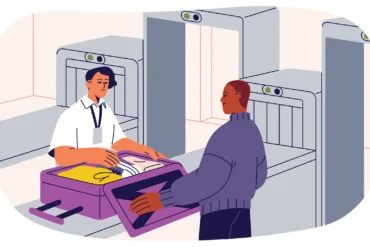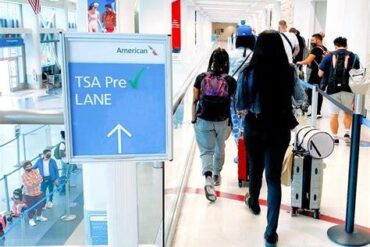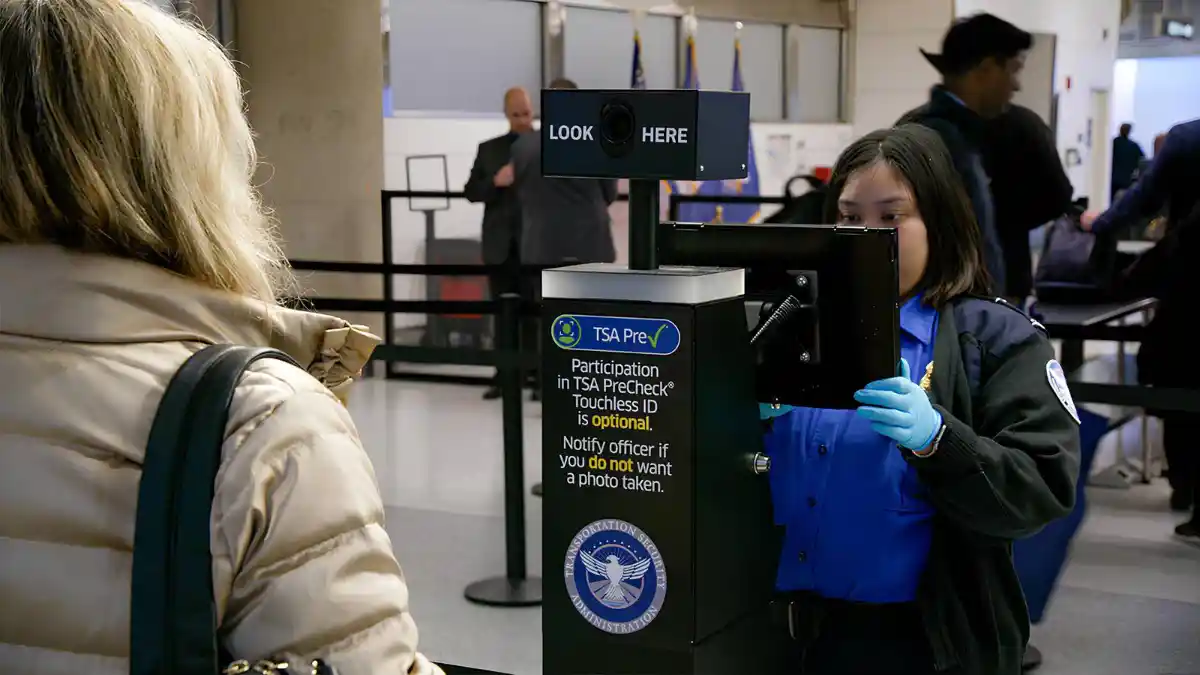
The Transportation Security Administration (TSA) has significantly expanded its TSA PreCheck Touchless ID program by introducing Google Wallet as its first supported digital wallet for biometric enrollment. The move marks a major step in the modernization of airport security, allowing eligible travelers to access Touchless ID screening with a simpler, more unified enrollment process. As the rollout reaches airports across the United States, travelers can expect a faster checkpoint experience without compromising existing security standards or privacy protections.
The announcement comes as air travel demand continues to rise ahead of the busy summer season. By integrating Google Wallet directly into the TSA PreCheck ecosystem, the agency is removing one of the biggest barriers that previously limited adoption of biometric screening: the need to enroll separately with individual airlines. Instead of managing multiple registrations for different carriers, eligible passengers can now complete a streamlined enrollment process that follows them across participating airlines.
The expansion represents one of the most meaningful upgrades to TSA’s biometric identity verification program since its introduction. Currently available at 65 airports and supporting more than 100 airlines, TSA PreCheck Touchless ID is steadily becoming a standard feature for frequent travelers seeking a quicker path through airport security.
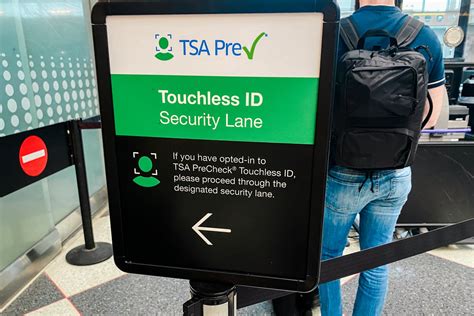
Google Wallet Becomes the First Digital Wallet Integrated With TSA Touchless ID
Google Wallet’s integration introduces a centralized enrollment experience that replaces the fragmented airline-by-airline registration model many travelers previously faced.
Before this update, passengers typically needed to upload passport information into individual airline accounts and opt into biometric verification separately for every participating carrier. Travelers who regularly flew with multiple airlines often repeated the same verification process numerous times, creating unnecessary complexity despite the convenience of biometric screening itself.
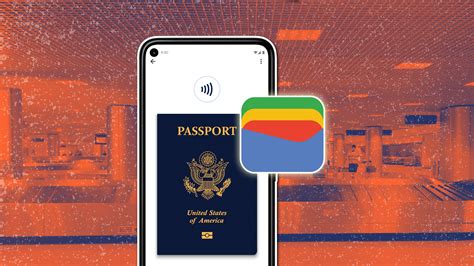
With Google Wallet serving as the enrollment platform, that repetitive process largely disappears. Eligible travelers first create a digital ID inside Google Wallet using a valid United States passport. After checking in with a participating airline, they save their boarding pass to Google Wallet. When eligible, the wallet automatically displays a “Get Started” prompt that links directly to the TSA consent process.
Once travelers authorize the sharing of their digital identification and boarding pass information, TSA verifies enrollment electronically. The boarding pass is then updated with a TSA PreCheck Touchless ID indicator, allowing passengers to proceed through participating biometric screening lanes without the routine presentation of physical identification documents.
The result is a smoother enrollment experience that requires significantly less effort while maintaining the same eligibility standards.
A Faster Airport Experience Without Reducing Security
Although the enrollment process has become considerably simpler, the underlying security procedures remain unchanged.
Touchless ID uses secure facial comparison technology to verify that the traveler standing at the checkpoint matches the identity associated with the stored digital credential. Rather than manually inspecting a driver’s license or passport during routine verification, TSA officers confirm identity through facial matching technology, helping reduce checkpoint processing times while maintaining established security protocols.
Importantly, the system does not eliminate traditional screening procedures. Travelers continue to undergo the same airport security screening after identity verification. The primary improvement lies in accelerating the identity confirmation stage, one of the most common bottlenecks during busy travel periods.
Only travelers enrolled in TSA PreCheck who possess a valid U.S. passport are currently eligible to participate through Google Wallet.
As passenger volumes continue climbing throughout the year, reducing even small delays at identity checkpoints can have a meaningful impact on overall airport efficiency.
Simplifying Multi-Airline Travel
One of the most practical advantages of the Google Wallet integration is its usefulness for travelers who regularly fly different airlines.
Business travelers, consultants, and frequent vacationers often switch carriers depending on schedules, destinations, pricing, or loyalty benefits. Under the previous enrollment system, each participating airline maintained its own Touchless ID enrollment workflow, requiring users to register repeatedly.
The new Google Wallet approach introduces a single enrollment pathway that works across participating airlines, greatly reducing administrative overhead.
Rather than remembering which airlines support biometric enrollment or maintaining separate profile settings, travelers manage their eligible digital identity through one secure platform. This consistency helps eliminate confusion while making biometric verification far more accessible to travelers who fly multiple carriers throughout the year.
The previous airline enrollment options remain available, ensuring travelers can continue using existing methods if they prefer.
Privacy Protections Remain a Core Part of the Program
Biometric identity verification inevitably raises questions about privacy, and both TSA and Google have emphasized that user control remains central to the program.
Participation is entirely voluntary. Travelers must actively choose to enroll and must provide consent before each eligible trip. No biometric information is automatically shared simply because a digital ID exists inside Google Wallet.
Google states that digital identification credentials remain encrypted on the user’s device. Before any information is transmitted, users must authenticate the request using their device’s existing security protections, such as fingerprint recognition, facial authentication, a PIN, or a screen unlock pattern.
This layered authentication ensures that travelers retain control over when and how their digital credentials are used.
TSA also outlines strict policies governing the facial images captured during identity verification. According to the agency, photographs collected during the process are used solely to verify traveler identity at the checkpoint. They are not intended for surveillance, law enforcement investigations, or unrelated government databases.
Additionally, TSA states that these verification images generally are deleted within 24 hours following the traveler’s scheduled departure, minimizing long-term storage concerns while supporting operational requirements.
Physical Identification Is Still Recommended
Despite the convenience offered by digital identity verification, travelers should continue carrying traditional identification documents.
TSA advises passengers to keep a REAL ID-compliant driver’s license, passport, or another acceptable physical identification document available during travel. Security officers may still request physical identification if operational circumstances require additional verification.
The introduction of Google Wallet therefore complements existing identification procedures rather than replacing them entirely.
This layered approach provides flexibility while ensuring security personnel retain the ability to respond appropriately whenever additional identity confirmation becomes necessary.
Growing Availability Across U.S. Airports
The continued expansion of Touchless ID reflects TSA’s broader effort to modernize airport operations through secure digital technologies.
With availability now extending to 65 airports nationwide and compatibility across more than 100 participating airlines, biometric identity verification is rapidly becoming more accessible to millions of eligible travelers.
As additional airports upgrade their infrastructure and more travelers adopt digital identification, Touchless ID is expected to become an increasingly common feature within TSA PreCheck lanes. The simplified Google Wallet enrollment process removes one of the biggest adoption barriers, potentially accelerating participation among travelers who previously avoided the program because of repeated airline registrations.
The rollout also arrives at a strategically important time, helping airports prepare for peak seasonal passenger traffic while reducing congestion at identity verification checkpoints.
What Travelers Need to Use Google Wallet Touchless ID
Eligible travelers should meet several basic requirements before using the new enrollment option:
- Be enrolled in TSA PreCheck.
- Possess a valid U.S. passport.
- Create a compatible digital ID inside Google Wallet.
- Fly with a participating airline.
- Save the boarding pass to Google Wallet after check-in.
- Complete the TSA consent process when prompted.
- Continue carrying an acceptable physical identification document during travel.
Meeting these requirements enables travelers to take advantage of dedicated Touchless ID lanes wherever the service is available.
A Significant Step Toward Digital Airport Security
The expansion of TSA PreCheck Touchless ID through Google Wallet represents far more than a simple mobile wallet integration. It signals a broader transition toward digitally connected airport experiences that prioritize both convenience and security.
By eliminating repetitive airline-specific enrollment, simplifying biometric verification across participating carriers, and maintaining strong privacy safeguards, TSA has made one of its most advanced passenger screening technologies substantially easier to use.
For frequent flyers, the practical benefits are immediate: fewer enrollment steps, quicker identity verification, and a more seamless experience across multiple airlines. For airports, the technology offers another tool to reduce congestion as passenger volumes continue to grow.
As digital identification becomes increasingly integrated into the travel ecosystem, the partnership between TSA and Google Wallet demonstrates how modern technology can streamline airport operations while preserving the security standards that remain essential to commercial aviation.