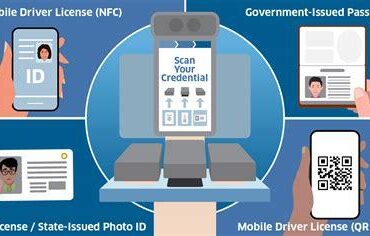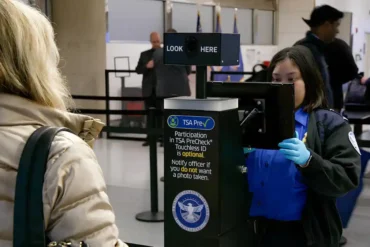
The long-standing hassle of navigating TSA checkpoints in the United States is undergoing a groundbreaking transformation. Apple’s introduction of digital passports in Apple Wallet promises to redefine domestic air travel, offering a more seamless, contactless, and secure identification experience for iPhone and Apple Watch users.
Apple Wallet Welcomes the US Digital Passport
Starting this fall, US citizens will be able to upload their US passport directly into the Apple Wallet app, allowing them to present their ID digitally when passing through TSA checkpoints. This is a strategic collaboration between Apple and the Transportation Security Administration (TSA), aimed at simplifying domestic travel without compromising on security.
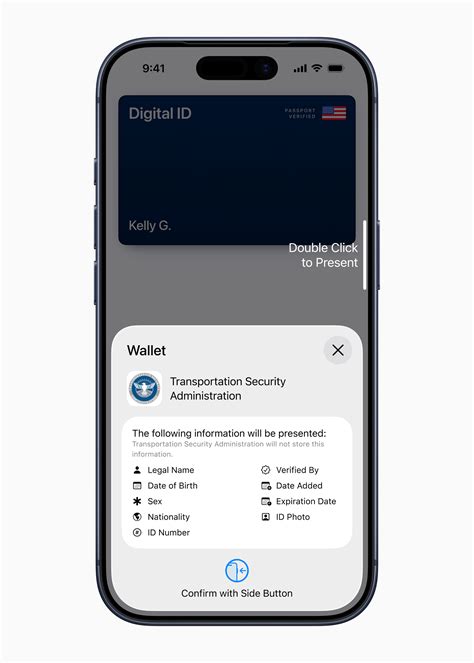
The system builds upon existing digital ID functionality that some states have already rolled out. While state-issued digital driver’s licenses and IDs have been available in Apple Wallet in select regions, the inclusion of a US passport marks a significant leap forward in digital identity integration. This advancement isn’t just a minor update—it represents a larger shift in how Americans may soon travel.
Enhancing Speed and Efficiency at TSA Checkpoints
Apple’s innovation addresses one of the most frustrating aspects of air travel: the wait. With digital passports, passengers can tap their devices at supported TSA security checkpoints, eliminating the need to pull out physical documents. The speed and ease of this process have the potential to drastically reduce congestion and bottlenecks at airport security lines.
The TSA has confirmed that this digital passport functionality will be valid only for domestic air travel, stressing that the traditional physical passport remains mandatory for international flights, customs, and immigration.
Security Measures and User Privacy
Apple has reiterated its commitment to privacy and data protection with this rollout. Digital passports will be protected using Face ID or Touch ID, combined with device encryption and secure enclave architecture already trusted for sensitive Apple Pay transactions. This ensures that personal data cannot be accessed without user authorization.
Moreover, users will be notified each time their ID is accessed, including a summary of the information shared. TSA officers will be able to view only the necessary data—such as name, birthdate, and passport number—without seeing the entire passport document.
Infrastructure Limitations and Rollout Challenges
As with any major tech deployment, infrastructure readiness will vary by airport. Not every TSA checkpoint in the country will initially support the new digital passport feature. This makes it crucial for travelers to check if their departure airport is equipped to handle digital IDs before relying solely on their iPhone or Apple Watch.
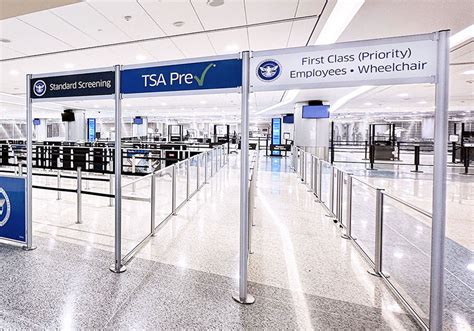
In addition, only travelers with Apple devices—running updated iOS versions—can utilize the digital passport. Those with Android phones or travelers who opt out of using digital identification will still need to present traditional documents.
Real ID, Misconceptions, and TSA Clarifications
This rollout comes amid confusion surrounding the May 7 Real ID compliance deadline, which has already tripped up numerous travelers. Inaccurate reports have claimed that Costco membership cards and other loyalty programs could be used as valid identification at airports, causing chaos and misinformation.
The TSA has made it explicitly clear: only state-issued Real IDs, valid driver’s licenses, and now approved digital IDs through Apple Wallet are acceptable for domestic travel ID requirements. Apple’s new feature adds another legitimate option for compliant travelers.
Integration With Other Apple Wallet Features
The digital passport is part of a broader Apple Wallet redesign that aims to make travel documentation more intuitive and user-friendly. Users will not only store IDs, but also boarding passes, flight alerts, hotel reservations, and vaccination cards—all in one place.

This centralized approach to travel management supports Apple’s vision for a frictionless travel experience. By enabling quick access to all essential documents, travelers can manage their entire journey from a single interface, reducing stress and saving time.
The Shift Toward Fully Digital Travel
Apple’s move is part of a larger industry trend aimed at digitizing key aspects of travel. From e-gates at international borders to biometric boarding and mobile immigration forms, airports and airlines around the world are investing in technologies that prioritize speed and safety.
With the global emphasis on touchless experiences post-COVID, the demand for digital solutions has skyrocketed. Apple’s digital passport initiative is aligned with these developments and could pave the way for more global standards and cross-border digital ID acceptance in the future.
Limitations and Future Outlook
Despite its promise, the digital passport currently faces key limitations:
- Domestic use only: It is not valid for international travel or reentry into the U.S.
- Apple exclusivity: Only available for Apple devices running the latest software.
- TSA infrastructure dependency: Limited to participating TSA checkpoints.
Still, this innovation represents a paradigm shift in how identification is handled in the United States. The growing push for federally recognized digital ID standards may one day allow Americans to travel both domestically and internationally using their phones alone.
Expert and Consumer Reactions
Security experts have applauded the robust privacy controls Apple has put in place, though some have raised questions about data sovereignty, especially if similar tools are rolled out internationally. Meanwhile, frequent travelers and early adopters have welcomed the update, citing convenience and security as major benefits.
For families, business travelers, and tech-savvy individuals, the digital passport feature provides a taste of what the future of travel could look like—fast, secure, and paperless.

Final Thoughts: A Milestone in Modern Air Travel
As Apple prepares to launch its digital passport feature this fall, US travelers are poised to benefit from one of the most meaningful upgrades to domestic air travel in recent years. The integration of digital ID into everyday devices could soon become standard, not just for flights, but for hotels, car rentals, and even international border crossings—once regulatory frameworks catch up.
This development underscores a simple truth: the future of travel is digital. And with Apple leading the charge, the era of forgotten documents and slow security lines may soon become a thing of the past.
While the physical passport remains essential for now, Apple Wallet’s digital passport is a game-changing step toward more intelligent, efficient, and user-friendly travel experiences.