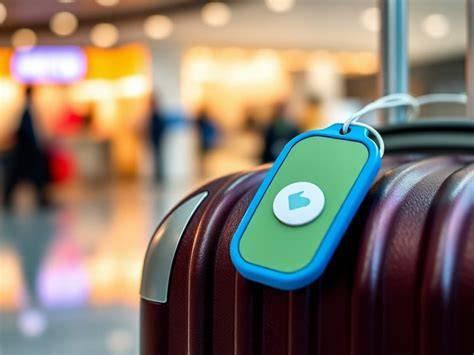
Apple’s AirTag has evolved from a simple consumer tracking accessory into one of the aviation industry’s most effective baggage recovery tools. Less than two years after airlines began integrating Apple’s Find My Share Item Location feature with the global WorldTracer baggage management platform, the results have exceeded expectations. According to SITA’s 2026 Baggage IT Insights Report, airlines participating in the initiative have reduced permanently lost baggage by an extraordinary 90%, marking one of the biggest operational improvements the industry has seen in decades.
Rather than replacing existing baggage systems, the technology creates a digital bridge between passengers and airline operations. Travelers voluntarily share the temporary location of their AirTag-equipped luggage whenever a bag goes missing, allowing airline staff to pinpoint its exact position instead of relying solely on traditional barcode scans and manual tracing. The approach dramatically shortens recovery times while lowering compensation costs and improving customer confidence.
For an industry that spends billions every year dealing with mishandled luggage, the integration represents far more than a technological upgrade—it signals a fundamental shift toward collaborative baggage tracking powered by both airlines and passengers.

Apple AirTags Turn Passenger Tracking Into Airline Intelligence
The breakthrough comes through WorldTracer, the global baggage tracking platform jointly developed by SITA and IATA, which processes millions of delayed baggage reports worldwide. Since late 2024, WorldTracer has supported Apple’s Share Item Location feature alongside Google Find Hub, making the solution available to both iPhone and Android users.
When a traveler discovers that a checked suitcase has not arrived, they can generate a secure, temporary tracking link directly from their smartphone. That link is shared with the airline and automatically incorporated into the passenger’s WorldTracer case. Instead of searching broad airport zones, baggage specialists receive highly accurate geolocation data displayed on airport maps, allowing them to identify the luggage’s precise location—including the terminal, storage room, baggage cage, or transfer facility where it is waiting.
This level of precision eliminates much of the uncertainty traditionally associated with delayed baggage investigations. Rather than depending on intermittent barcode scans, airline representatives can immediately determine whether luggage missed a connection, was mistakenly stored, or simply awaits loading onto the next available flight.
More Than 50 Airlines Are Already Seeing Dramatic Results
The initial rollout included just 29 airlines, but the system’s effectiveness quickly encouraged wider adoption. More than 50 airlines are now using the technology, demonstrating growing confidence in customer-assisted baggage recovery.
According to Nicole Hogg, Portfolio Director of Baggage at SITA, the industry is witnessing a transition from manual investigations toward data-supported recovery. When travelers choose to share their bag’s location, airlines receive actionable information precisely when it is most valuable. The result is a recovery process that is faster, more transparent, and significantly more accurate than previous methods.
Instead of treating passengers as passive observers waiting for updates, the new model transforms them into active participants whose devices contribute valuable real-time information without compromising privacy. Because tracking links remain temporary and under the customer’s control, users decide exactly when and how long airlines can access their luggage’s location.
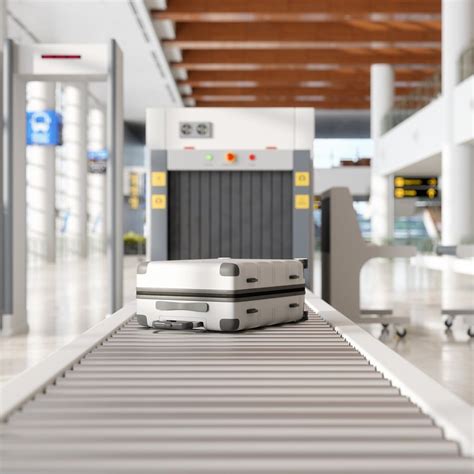
Lost Bags Still Cost Airlines More Than $6 Billion Every Year
Although baggage handling performance has steadily improved over the past decade, delayed and lost luggage continues to impose enormous financial pressure on airlines. SITA estimates that baggage mishandling costs the global airline industry approximately $6.3 billion annually, representing nearly 15% of the industry’s estimated $41 billion profit during 2025.
These expenses extend well beyond compensation payments. Airlines must dedicate employees to tracing luggage, arranging transportation for recovered bags, handling customer service inquiries, and processing reimbursement claims. Every delayed suitcase generates additional administrative costs while negatively affecting passenger satisfaction and brand reputation.
Because airlines typically operate with relatively narrow profit margins while facing volatile fuel prices, labor expenses, and geopolitical uncertainty, reducing baggage losses has become one of the industry’s highest-return operational improvements.
Europe Faces the Greatest Baggage Handling Challenge
The financial burden is particularly severe across Europe, where airports experience the world’s highest rate of baggage mishandling. Approximately 10.5 bags per 1,000 passengers are mishandled, while the average recovery cost reaches roughly $295 per bag.
One major reason is Europe’s extensive network of international hub airports. Around 39% of all baggage delays worldwide occur during passenger transfers, making complex connecting itineraries especially vulnerable. Every additional aircraft change creates another opportunity for luggage to miss its intended flight.
Many European airports also operate within decades-old infrastructure originally designed for lower passenger volumes. Expanding physical baggage systems inside crowded terminals is both expensive and logistically challenging, limiting opportunities for conventional improvements.
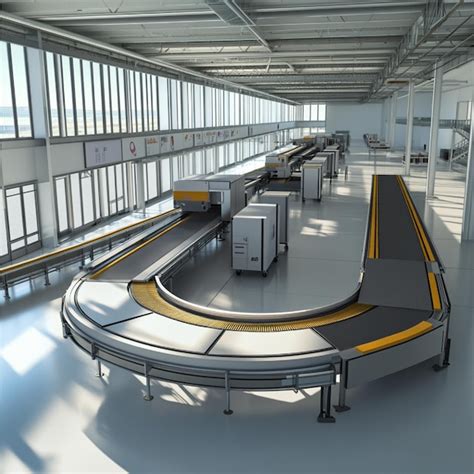
Modern Airports Show What Efficient Baggage Systems Can Achieve
The contrast with Asia highlights how infrastructure influences baggage performance. Across the Asia-Pacific region, the mishandled baggage rate stands at only 3.4 bags per 1,000 passengers, substantially below Europe’s figures.
Newer airports benefit from advanced automated baggage handling systems, optimized terminal layouts, and modern logistics networks developed long after many European airports were built.
One frequently cited example is Kansai International Airport in Japan. Since opening in 1994, the airport has earned global recognition for its exceptional baggage handling performance and has famously maintained a record of never permanently losing a passenger’s checked bag. Its highly automated processes demonstrate how thoughtful infrastructure design can dramatically reduce operational errors.
Consumer Technology Is Reshaping the Future of Airline Operations
SITA believes integrating consumer tracking devices with airline infrastructure represents only the beginning of a broader transformation. Rather than relying exclusively on expensive airport expansion projects, airlines can leverage existing passenger technology to improve operational visibility throughout the baggage journey.
Future developments are expected to incorporate artificial intelligence, predictive analytics, and increasingly sophisticated automation capable of identifying potential baggage disruptions before they occur. These technologies could recommend proactive rerouting, optimize transfer decisions, and alert baggage teams before delays develop into customer service incidents.
The remarkable 90% reduction in permanently lost baggage demonstrates how connecting consumer devices with global aviation systems delivers tangible operational value. By combining passenger-controlled location sharing with industry-wide baggage management, airlines are modernizing one of the most frustrating aspects of air travel while reducing costs, improving efficiency, and giving travelers greater confidence that their luggage will arrive exactly where it belongs.