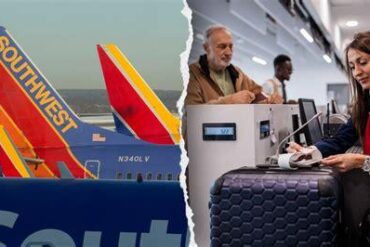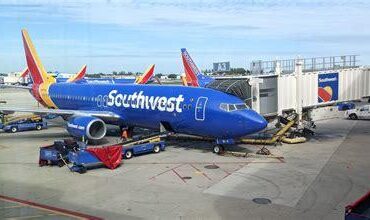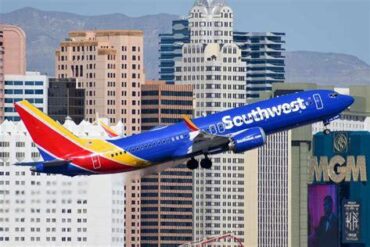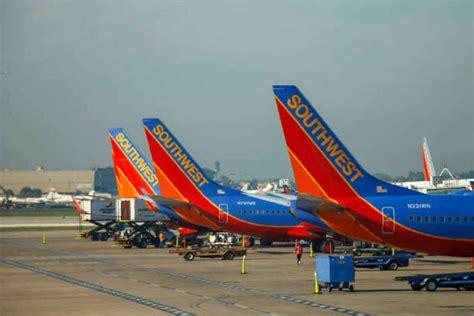
Southwest Airlines, once the industry outlier proudly championing a no-hidden-fee philosophy, has officially abandoned one of its most beloved and distinguishing perks: free checked baggage for all passengers. As of May 28, 2025, new baggage fees are in effect for most travelers booking or changing their flights on or after this date. This sweeping shift puts the Dallas-based carrier in direct alignment with its major competitors—American Airlines, Delta Air Lines, and United Airlines—all of which have long embraced tiered, fare-linked baggage fee structures.
The End of an Iconic Brand Promise
For decades, “Bags Fly Free” wasn’t just a marketing slogan—it was a strategic identity. From national ad campaigns to airport banners, Southwest leveraged this customer-first approach to capture market share among leisure travelers, families, and price-conscious flyers. This policy, offering two free checked bags per passenger, helped Southwest stand apart from an increasingly fee-heavy airline industry.
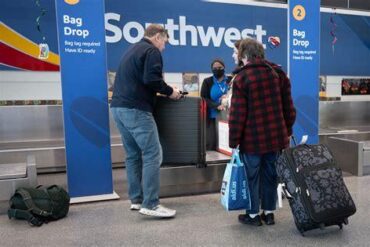
Yet mounting financial headwinds have forced a reconsideration of this once-sacred tenet. Southwest announced that, for tickets booked or voluntarily modified on or after May 28, passengers will now pay $35 for the first checked bag and $45 for the second.
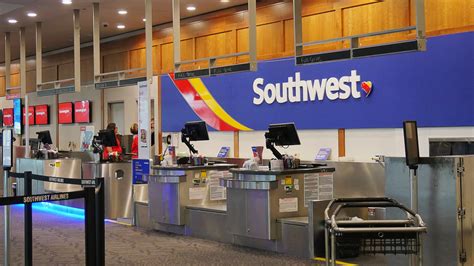
The move marks a profound philosophical and operational shift, suggesting Southwest is no longer content to leave billions of dollars in ancillary revenue untapped. It signals a transition away from legacy practices and toward a more profit-driven model in line with industry norms.
Who Still Qualifies for Free Checked Bags?
While the majority of passengers will now have to pay for their checked luggage, certain high-value customer segments remain exempt. This includes:
- Business Select ticket holders, who will continue to receive two free checked bags.
- Rapid Rewards A-List Preferred members, who retain the two-bag allowance.
- A-List members and Southwest co-branded credit card holders, who are each granted one free checked bag.
This new structure effectively mirrors the systems in place at American, United, and Delta, all of which link baggage fees to fare class and elite status.
A Necessary Pivot: Why Now?
Multiple intersecting pressures have converged to force this policy transformation. At the core lies a challenging operating environment marked by:
- Rising fuel and labor costs
- A sluggish rebound in business travel
- Fierce pricing competition from ultra-low-cost carriers (ULCCs)
- Increasing passenger expectations around digital services and flexibility
The airline’s CEO Bob Jordan emphasized that this strategic reorientation is not just about baggage—it’s about ensuring long-term viability. The expected hundreds of millions in annual revenue generated from baggage fees will help fund much-needed upgrades across aircraft fleets, digital platforms, and customer service operations.
Moreover, this revenue is seen as essential for the airline’s sustainability efforts, allowing investment in more fuel-efficient aircraft and other green initiatives.
Public Reaction: From Disappointment to Disillusionment
The backlash from loyal customers was almost immediate. Many took to social media to express a mix of frustration and resignation. Frequent fliers and families who once relied on Southwest’s transparent pricing model now feel betrayed.
Longtime patrons viewed the free bag policy as an extension of the airline’s culture of fairness and simplicity. With its removal, Southwest risks alienating its core audience, many of whom intentionally avoided other carriers precisely because of their fee-heavy structures.
That said, premium travelers and elite status holders remain largely unaffected, softening the impact among Southwest’s most profitable segment. The real sting lies with leisure travelers and budget-conscious families, who now face the same nickel-and-dime model they sought to avoid by flying Southwest.
Following the Industry Playbook
Southwest’s new baggage policy doesn’t reinvent the wheel—it simply conforms to long-standing norms. American, Delta, and United have each been charging baggage fees since the late 2000s, making ancillary revenue a core part of their financial strategy. These fees have helped airlines keep base fares competitive while monetizing additional services.
- American Airlines: First checked bag: $35; second: $45
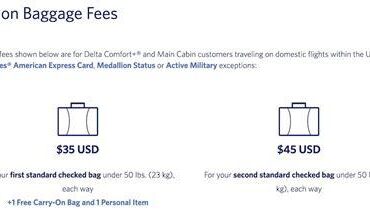
- Delta Air Lines: First checked bag: $35; second: $45–$50
- United Airlines: Similar tiered structure, with premium status exemptions
Now, Southwest enters this mix, but not without offering key differentiators. The airline still does not charge for flight changes or cancellations, a customer-friendly benefit largely abandoned by its peers.
Strategic Overhaul in Progress
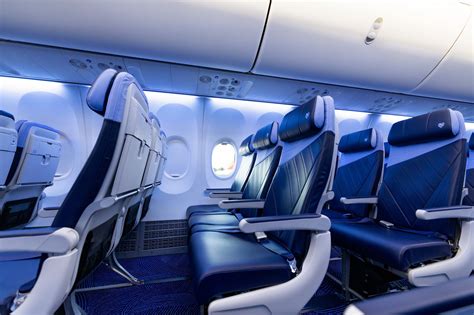
The elimination of free bags is only the beginning of a broader restructuring underway at Southwest. Sources suggest that the airline is reevaluating many of its core service philosophies, including its long-standing open seating policy.
Traditionally, Southwest has operated with no assigned seating, allowing passengers to board in groups and choose any open seat. This format has been both a cultural hallmark and an operational enabler. However, signals from leadership hint at a possible move toward assigned seating, aimed at appeasing modern travelers who prefer certainty and order.
Further changes likely include:
- New fare classes offering greater customization and perks
- Upgraded digital platforms for easier self-service options
- Enhanced loyalty rewards based on spending rather than segments
Repercussions for the Airline Landscape
Southwest’s decision reverberates beyond its own customer base. It validates an industry-wide shift toward monetization of core services once considered essential to air travel. This not only underscores the growing dependence on non-ticket revenues but also highlights the diminishing space for differentiation among major U.S. airlines.
For passengers, it signals a need to rethink how they shop for flights. Base fares may no longer reflect the true cost of travel. Instead, the final price will depend on a matrix of baggage fees, seating upgrades, and optional services.
The Trade-Off: Innovation Versus Identity
Southwest’s pivot away from free bags isn’t just about revenue—it’s a symbolic step away from a brand identity forged in contrast to legacy carriers. Yet, it’s also a strategic necessity. The airline faces economic realities that demand evolution or obsolescence.
As fuel prices remain volatile, labor costs escalate, and passengers seek more modern digital conveniences, Southwest must find ways to invest, compete, and grow. Baggage fees may be unpopular, but they represent a financial lever with proven efficacy.
By adopting these fees selectively and still rewarding loyal customers, the airline is trying to balance modernization with tradition—a tightrope walk that could determine its relevance in the next decade of air travel.
Looking Ahead: A New Chapter Begins
The era of “Bags Fly Free” may be over, but a new phase of data-driven, tiered service customization is just beginning. As the airline rolls out its updated policies and tests new operational formats, travelers will need to reassess how they engage with Southwest.
Whether this change leads to greater efficiency and profitability, or sparks a long-term erosion of loyalty, will depend on how well the airline delivers on its evolving promises.
In this moment, Southwest Airlines has chosen to adapt rather than resist the financial currents shaping global aviation. It’s a pragmatic move with deep implications—for the airline, its customers, and the very future of flying in America.