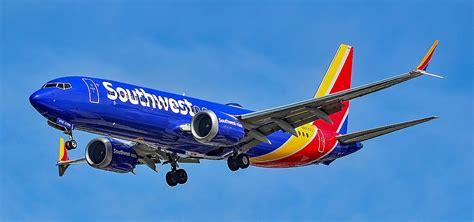
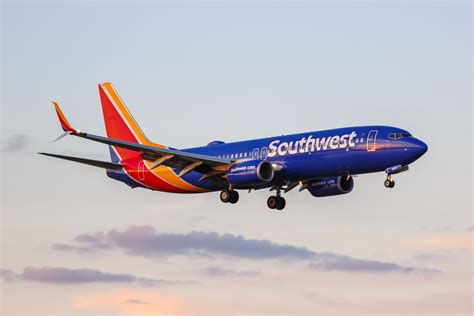
For decades, Southwest Airlines stood out as the airline that “got it right.” Its friendly, no-nonsense approach to air travel—no baggage fees, open seating, and a simple loyalty program—fostered loyalty and admiration from travelers across the United States. But in a stark pivot, the airline is now shedding that image in favor of a revenue-driven strategy, following industry norms it long resisted. The result is a corporate transformation that’s raising eyebrows among longtime loyalists and market observers alike.
The Fall of Simplicity: From Straightforward to Surcharged
Southwest’s evolution isn’t subtle. With the introduction of baggage fees, the airline has crossed a line it defended for decades. The “bags fly free” policy wasn’t just a gimmick—it was a core brand promise that distinguished Southwest from competitors like American, Delta, and United, which have long charged for every checked item. For budget-conscious travelers, that commitment symbolized transparency, fairness, and value.
Now, by rolling out baggage fees, Southwest is chasing a strategy designed to extract more revenue per passenger—a path well-trodden by its rivals. Although the move may boost the company’s short-term bottom line, it threatens to erode customer goodwill built over years of resisting nickel-and-dime tactics.
Passengers who previously chose Southwest to avoid hidden costs are now faced with the very fee structures they once escaped. This seismic shift in the airline’s operations underscores a deeper philosophical departure: profit now outweighs passenger-first policies.
Assigned Seating: Flexibility Replaced with Fee-Based Preference
Just as monumental as baggage fees is the dismantling of Southwest’s open seating model, a hallmark of its brand identity. For years, boarding was a free-for-all in the best sense—a democratic process that gave travelers the freedom to choose their seats based on boarding group priority and availability.
Today, that flexibility is being monetized. Passengers seeking preferred seating options will be required to pay, mirroring policies of legacy carriers. By placing a price tag on seat selection, Southwest is institutionalizing hierarchy—a step away from its former egalitarian in-flight culture.

The move also complicates what used to be a delightfully simple travel experience. Critics argue that Southwest’s embrace of complexity—through fees and assigned seating—places it firmly in the company of carriers it once stood against. The charm of “sit where you like” is being traded for a tiered, price-driven structure.
Rapid Rewards Reimagined: Loyalty, But Not For All
Not even Southwest’s Rapid Rewards loyalty program is immune to this strategic overhaul. Once praised for its clarity and accessibility, the program is now on the verge of becoming more convoluted and exclusive. Future iterations suggest a shift toward revenue-based rewards, which prioritize high spenders over frequent, budget-conscious flyers.
This mirrors moves seen from Delta and United in recent years—rewarding not loyalty in flight frequency, but loyalty in spending power. For casual travelers who relied on Rapid Rewards for occasional perks or free flights, the changes represent another departure from Southwest’s inclusive legacy.
The accessibility of rewards was central to the airline’s identity, and by altering how points are earned and redeemed, Southwest risks alienating a large segment of its base. The program may become lucrative for high-yield travelers, but it’s likely to disenfranchise regular passengers who don’t spend thousands annually.
Psychological Pricing Takes Flight
The changes at Southwest also reveal a deeper adoption of psychological pricing techniques. Rather than offering an all-inclusive fare, the airline now joins competitors in presenting a low base fare only to upsell for everything else—from bags to seats to early boarding.
This method, designed to lure consumers with attractive prices while increasing the final ticket cost through surcharges, can significantly inflate revenue per passenger. But the downside is transparency—or the lack thereof. Customers often feel tricked or misled, particularly if they fail to factor in all ancillary fees at the point of booking.
For an airline once synonymous with straightforwardness, this shift is especially jarring. Southwest isn’t just adding costs; it’s redefining the passenger experience in ways that clash with the trust it spent years building.
A Brand Identity Crisis: Who Is Southwest Now?
The cumulative effect of these changes raises a critical question: What does Southwest Airlines stand for in 2025? If it no longer champions “bags fly free,” open seating, or transparent loyalty rewards, then what remains of its original brand DNA?
These decisions—while perhaps financially strategic—represent more than policy adjustments. They signify a cultural transformation at Southwest. By prioritizing profit-maximization strategies that reflect Wall Street demands over customer loyalty and satisfaction, the airline is signaling a full-fledged identity shift.
Travelers who once saw Southwest as a refuge from the commodified chaos of modern air travel are left with a sense of loss. The carrier is becoming what it once was not: just another airline.
Financial Pressures and Market Dynamics: What’s Driving the Change?
Southwest’s transformation isn’t occurring in a vacuum. The airline industry has faced intense financial pressure, from pandemic-induced downturns to rising fuel prices, labor negotiations, and competitive fare wars. In such a climate, Southwest’s historic resistance to baggage fees and seat charges increasingly looked like a missed revenue opportunity.
Executives are now leaning into revenue optimization, using the same tools that bolstered margins at Delta, American, and United. According to analysts, Southwest could see revenue per passenger increase by up to 20–25%, depending on how aggressively it monetizes services. These additional streams are essential in an environment where base fares often don’t cover operating costs.

But that logic, while sound from a boardroom perspective, doesn’t always resonate with travelers. The very survival tactics Southwest is adopting may ensure short-term gains but compromise the brand’s long-term equity—particularly if passengers defect to carriers that offer better overall value, even with similar fee structures.
Industry Normalization or Strategic Regression?
Some view Southwest’s move not as innovation, but as capitulation. In aligning with traditional airline practices, the company is forgoing its unique market differentiation. This opens it up to a different kind of risk: brand commoditization.
In a world where all airlines offer the same pricing tactics and similar customer experiences, what incentive does a consumer have to choose one over another? Southwest, once the outlier, may find itself lost in the crowd.
This isn’t just a story of added baggage fees—it’s a narrative of brand philosophy, strategic integrity, and what happens when a company once rooted in purpose chooses profit as its North Star.
Will Passengers Accept the New Southwest?
Early passenger reactions have been mixed to negative, with many frequent flyers expressing disappointment and concern. Social media and airline forums are awash with complaints about Southwest “selling out” and abandoning the very ethos that made it trustworthy.
Still, some passengers concede that industry-wide trends make such changes inevitable. They argue that as long as base fares remain low, and Southwest maintains its safety and on-time performance record, the airline can weather the backlash. Others believe a more loyal customer base—drawn to Southwest for its culture, humor, and history—may begin to erode if these fee structures stick.
Conclusion: A New Flight Path with Uncertain Altitude
Southwest Airlines has entered a new phase, one marked not by customer-first values but by bottom-line prioritization. The shift away from open seating, free checked bags, and egalitarian rewards marks a philosophical break with the airline’s past.
Whether this new identity will serve it well in the long term remains unclear. What is certain, however, is that Southwest can no longer claim the moral high ground in airline pricing or customer care. It has joined the fray, and with it, the burden of proving that profit and passenger satisfaction can still coexist.
For now, the skies may remain friendly—but for Southwest loyalists, they’re a little less free.