United Airlines’ latest baggage policy overhaul is about far more than luggage. While the headline-grabbing change is the increase in checked bag fees across a large portion of the carrier’s network, the deeper story reveals how modern airlines are reshaping customer behavior through loyalty programs, premium travel benefits, and co-branded credit cards.
For travelers booking tickets purchased on or after April 3, 2026, United’s new baggage fees represent another step in the airline industry’s long-running shift toward unbundled travel. Yet for many passengers, the higher fees will never actually be paid. A growing segment of United customers can still check bags for free, creating a clear divide between those who participate in the airline’s ecosystem and those who do not.
The result is a travel landscape where loyalty increasingly determines value. While occasional travelers face higher costs, elite members, premium cabin passengers, and credit card holders continue to enjoy benefits that shield them from the latest fee increases.
Understanding who still flies free—and why United has structured its policy this way—offers valuable insight into the future of airline economics.
United Airlines has become one of the world’s largest carriers, operating an extensive network spanning North America, Latin America, Europe, Asia, and beyond. As operating costs continue rising, airlines have sought new methods of generating revenue without dramatically increasing advertised ticket prices. Ancillary charges such as baggage fees have become one of the most effective tools available.
For United, the latest changes represent a strategic decision designed to increase revenue while simultaneously encouraging stronger customer loyalty.
After all, a passenger may complain about a higher checked bag fee once. However, that same traveler may decide to apply for a United credit card, pursue MileagePlus elite status, or purchase premium cabin tickets to avoid paying those fees altogether.
That is precisely where the airline’s long-term value lies.
United Airlines’ New Checked Bag Fees Are Significantly Higher
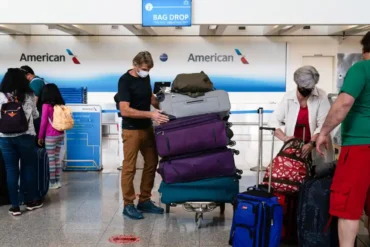
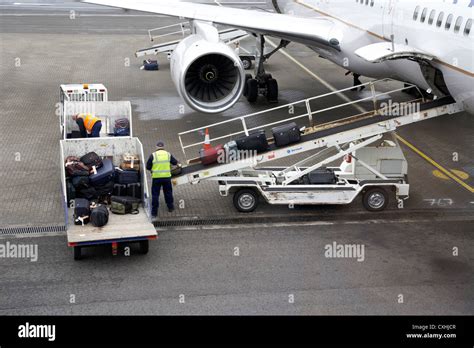
The most immediate impact of United Airlines’ baggage overhaul is the increased cost of checking luggage.
Passengers flying within applicable routes across the United States, Mexico, Canada, and much of Latin America now face higher charges for checked baggage. Travelers who pay for their luggage at the airport encounter the highest costs, while those who prepay online receive a small discount.
Under the revised fee structure:
- First checked bag: $50 at the airport or $45 prepaid online
- Second checked bag: $60 at the airport or $55 prepaid online
- Third checked bag: $200 on eligible routes
The increase to the third checked bag is particularly noteworthy. A $200 fee transforms excess baggage from a minor travel expense into a significant financial consideration.
For families, the numbers add up quickly. A family of four taking a round-trip domestic vacation could easily spend several hundred dollars simply transporting luggage. These charges come before paying for seat selections, inflight purchases, Wi-Fi access, or other optional services.
While some travelers may absorb these costs without much concern, many others will begin evaluating alternatives that allow them to avoid baggage fees altogether.
That appears to be exactly what United intends.
Rather than simply generating additional revenue, the fee structure creates powerful incentives that push customers toward loyalty products offering baggage exemptions.
Why United Airlines Raised Checked Bag Fees
United Airlines has publicly linked the fee increase to rising operating expenses, particularly fuel costs.
Jet fuel remains one of the largest expenses for any airline. When fuel prices rise significantly, carriers face enormous pressure on profitability. Even relatively modest increases can translate into hundreds of millions of dollars in additional annual expenses.
Recent global energy market disruptions have caused fuel costs to surge. United reported substantial increases in fuel expenditures, with prices rising from roughly $2.50 per gallon to nearly $5.00 per gallon during certain periods.
For an airline operating thousands of flights every day, these cost increases cannot simply be ignored.
Instead of dramatically raising ticket prices across the board, airlines often prefer increasing ancillary fees. This approach provides several advantages.
First, advertised fares remain competitive, helping airlines attract price-sensitive customers during the booking process.
Second, only travelers who use specific services pay the additional charges.
Third, ancillary revenue streams often produce exceptionally strong margins.
The result is a business model where airlines can maintain attractive headline fares while generating substantial income from optional services.
Baggage fees fit perfectly within this strategy.
Passengers who travel with only a carry-on bag may never notice the changes, while travelers checking luggage contribute additional revenue that helps offset operating costs.
Who Still Gets Free Checked Bags on United Airlines?
Despite the higher fees, numerous travelers remain exempt from paying checked baggage charges.
These exemptions reveal which customer groups United values most highly and where the airline sees its greatest long-term profitability.
The primary categories of passengers who continue receiving complimentary checked bags include:
- MileagePlus Premier elite members
- United Airlines co-branded Chase credit card holders
- First Class passengers
- Business Class passengers
- Active-duty military personnel
- Certain international travelers depending on fare rules and itinerary
For these travelers, the baggage fee overhaul may have little direct impact.
Instead, the changes effectively increase the value of benefits they already receive.
A traveler who avoids paying a $50 checked bag fee immediately experiences a tangible savings that can be easily understood and appreciated.
Unlike abstract loyalty perks or complicated mileage calculations, baggage fee exemptions deliver instant financial value.
That simplicity makes them incredibly powerful.
MileagePlus Premier Members Remain Among the Biggest Winners
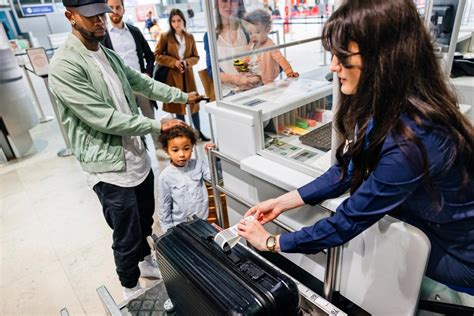
United’s MileagePlus program has long rewarded frequent travelers with elite status benefits, and the latest baggage fee changes make those benefits even more valuable.
Premier members continue enjoying baggage allowances that can save substantial amounts of money throughout the year.
For travelers who regularly fly across North America or Latin America, checked bag savings can accumulate surprisingly fast.
Consider a traveler who takes ten round-trip flights annually and checks one bag on each trip. Under the new fee structure, avoiding those charges could save approximately $1,000 or more over the course of a year.
That savings exists before considering additional elite benefits such as:
- Priority boarding
- Complimentary upgrades
- Preferred seating
- Bonus mileage earning
- Priority airport services
As baggage fees increase, elite status becomes easier to justify financially.
Many travelers previously focused primarily on upgrades or mileage bonuses when evaluating status. Now, baggage fee exemptions represent a straightforward and measurable component of the value equation.
This dynamic may encourage more customers to pursue Premier qualification thresholds and maintain loyalty to United.
Why Chase United Credit Cards Just Became More Valuable
Perhaps the biggest winner from the baggage fee overhaul is the partnership between United Airlines and Chase.
Co-branded airline credit cards have become essential revenue generators throughout the airline industry. In many cases, these partnerships generate billions of dollars annually.
United’s baggage policy increases the attractiveness of its Chase-issued cards without requiring any major changes to card benefits.
Cardholders who receive free checked bags now avoid even larger fees than before.
This creates an immediate and highly visible benefit.
Imagine a family of four taking two round-trip vacations per year. Depending on baggage usage, they could save hundreds of dollars annually through complimentary checked bags alone.
In some situations, those savings may offset most or all of a card’s annual fee.
This calculation is easy for consumers to understand.
Rather than analyzing complex reward structures or redemption values, travelers can simply compare the cost of baggage fees against the cost of maintaining the credit card.
As baggage fees rise, the financial argument for carrying a United credit card becomes increasingly compelling.
Premium Cabin Passengers Continue Receiving Protection
United Airlines has invested heavily in premium travel experiences over the past decade.
Business Class and First Class products have become increasingly important revenue drivers as airlines compete for high-spending customers.
Maintaining complimentary baggage benefits for these passengers aligns naturally with that strategy.
Premium travelers already pay significantly higher fares than economy passengers. Free checked bags reinforce the perception of added value while improving the overall travel experience.
For these customers, the baggage fee increase may go largely unnoticed.
The same principle applies across much of the airline industry.
Premium cabins increasingly include bundles of services such as:
- Free baggage
- Lounge access
- Priority security screening
- Priority boarding
- Enhanced dining
- Additional seat space
Together, these benefits help justify premium ticket prices and strengthen customer satisfaction.
As airlines continue investing in premium offerings, complimentary baggage remains a relatively inexpensive but highly appreciated benefit.
Active-Duty Military Personnel Retain Baggage Benefits
United Airlines continues providing baggage allowances for active-duty military personnel.
These exemptions remain consistent with longstanding industry practices across the United States.
Military travelers often face unique transportation requirements, including frequent relocations, deployments, and official travel assignments.
Providing generous baggage allowances helps accommodate these needs while recognizing military service.
Importantly, the latest baggage fee changes did not alter these benefits.
As a result, military personnel remain insulated from the fee increases affecting many civilian travelers.
The Growing Divide Between Loyal and Occasional Travelers
One of the most important aspects of United’s baggage strategy is how clearly it separates different customer groups.
Frequent flyers and loyal customers receive meaningful protection from rising fees.
Occasional travelers often do not.
This reflects a broader transformation occurring throughout commercial aviation.
Years ago, airlines frequently offered more uniform experiences across passenger groups. Today, benefits increasingly concentrate among customers who generate the highest long-term value.
The airline industry has become deeply focused on customer segmentation.
Rather than providing broad perks to everyone, carriers reserve their most valuable benefits for:
- Elite members
- Premium travelers
- Credit card holders
- High-frequency flyers
The baggage fee overhaul fits neatly within this strategy.
Each fee increase effectively widens the value gap between loyal customers and infrequent travelers.
That gap encourages passengers to deepen their relationship with the airline.
Baggage Fees Have Become a Multi-Billion-Dollar Industry
United’s decision does not exist in isolation.
Across the airline industry, baggage fees have evolved into one of the most important ancillary revenue sources.
U.S. airlines collectively generated approximately $5.5 billion in baggage fee revenue during 2025, highlighting the enormous financial significance of these charges.
What initially began as a controversial experiment has become a permanent feature of airline business models.
The appeal is obvious.
Baggage fees allow airlines to maintain lower advertised fares while generating additional revenue from travelers who require extra services.
This creates pricing flexibility and allows carriers to compete aggressively on ticket prices.
Meanwhile, travelers who check bags effectively pay more for the overall experience.
The system rewards light packers while generating revenue from customers who need additional baggage capacity.
From a business perspective, it is an extremely effective model.
What United Airlines’ Fee Overhaul Really Means
The 2026 checked bag fee increase is about far more than luggage.
At first glance, it appears to be a straightforward pricing adjustment driven by higher operating costs. Fuel expenses, inflationary pressures, and broader economic challenges certainly played a role.
However, the deeper significance lies in how the policy strengthens United’s loyalty ecosystem.
Every baggage fee increase makes MileagePlus status more attractive.
Every baggage fee increase enhances the value of United’s Chase credit cards.
Every baggage fee increase reinforces the advantages of purchasing premium cabin tickets.
In effect, the airline has transformed baggage fees into a strategic marketing tool.
Travelers who continue flying without status, premium tickets, or co-branded credit cards will pay more. Those who engage with United’s broader ecosystem will often avoid the charges entirely.
For many passengers, the lesson is increasingly clear. The cheapest way to avoid rising baggage costs may no longer involve packing lighter. Instead, it may involve becoming the type of customer United Airlines is actively trying to keep.
Frequently Asked Questions
Does United Airlines still offer free checked bags?
Yes. Free checked bags remain available for eligible MileagePlus Premier members, qualifying Chase United credit card holders, premium cabin passengers, active-duty military personnel, and certain travelers on specific international itineraries.
How much is United Airlines charging for a checked bag in 2026?
For applicable tickets purchased on or after April 3, 2026, the first checked bag costs $50 at the airport or $45 when prepaid online. The second checked bag costs $60 at the airport or $55 when prepaid online.
How much does a third checked bag cost on United Airlines?
United increased the fee for a third checked bag to $200 on eligible routes within the United States, Mexico, Canada, and Latin America.
Why did United Airlines raise baggage fees?
United cited rising operating expenses, particularly higher fuel costs. The airline also continues following an industry trend that emphasizes ancillary revenue generation.
Are United credit cards worth it for baggage savings?
For travelers who frequently check luggage, United co-branded Chase credit cards can provide significant value. In many cases, baggage fee savings alone may offset a substantial portion of the card’s annual fee.
Does MileagePlus elite status protect travelers from baggage fees?
Yes. MileagePlus Premier members generally receive complimentary checked baggage benefits, making elite status more valuable as baggage fees continue increasing.