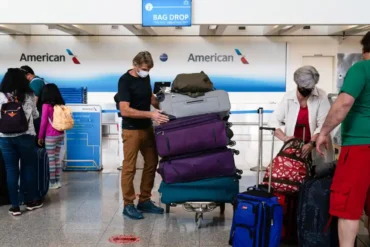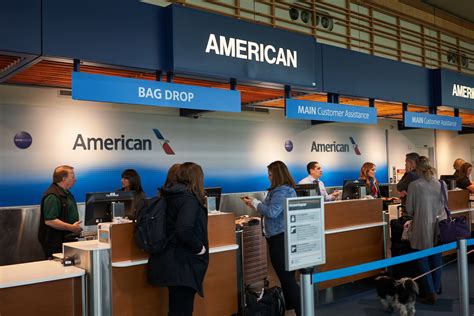
American Airlines has once again recalibrated the economics of air travel, raising the fee for passengers checking a second bag at the airport. The Fort Worth–based carrier’s latest pricing adjustment adds $5 to the airport cost of a second checked bag, sharpening the price gap between advance online purchases and last-minute airport transactions. While modest on the surface, the increase signals a broader strategic shift in how legacy airlines manage passenger behavior, airport congestion, and ancillary revenue.
The updated fee structure applies to domestic and short-haul international routes and took effect immediately for new bookings from February 18. Travelers who prepay for a second checked bag online will continue paying $45, but those waiting until arrival at the airport will now be charged $50. The first checked bag fee remains unchanged, preserving the airline’s existing baseline pricing while targeting late planners for incremental revenue.
This move is not an isolated adjustment but part of a deliberate digital-first operational strategy. Airlines increasingly rely on behavioral pricing—charging less for actions that streamline operations and more for those that create friction. By widening the prepay versus airport price spread, American Airlines is nudging passengers toward advance trip management, improving forecasting accuracy for baggage loads and staffing needs.
Why American Airlines Is Raising Second Bag Fees
At the operational level, baggage is logistics disguised as luggage. Every additional suitcase affects aircraft weight distribution, fuel calculations, cargo capacity, and turnaround time at the gate. When passengers add bags without advance notice, airlines must absorb planning inefficiencies that ripple through ground operations.
By incentivizing early baggage declarations, American Airlines gains predictive visibility. Knowing how many bags will be loaded before passengers even arrive allows ground crews to allocate equipment, optimize cargo holds, and reduce delays. The $5 differential functions less as a penalty and more as a behavioral lever—small enough to avoid outrage, large enough to change habits.
The policy also aligns American with industry precedent. United Airlines and other major carriers have already deployed similar pricing structures, rewarding digital pre-planning while monetizing airport transactions. The convergence suggests a normalized ancillary revenue model where convenience costs extra and preparation earns discounts.
Current Checked Bag Fee Structure Explained
While the second bag fee has risen, the broader baggage pricing framework remains intact. For domestic and short-haul international flights:
- First checked bag (prepaid online): $35
- First checked bag (airport purchase): $40
- Second checked bag (prepaid online): $45
- Second checked bag (airport purchase): $50
Elite loyalty tiers continue to buffer frequent flyers from these increases. AAdvantage elite members receive one complimentary checked bag, while Platinum members can check up to two bags free of charge. These benefits reinforce loyalty retention while insulating high-value customers from ancillary fee fatigue.
Digital Transformation Driving Fee Strategy
The baggage fee increase arrives alongside significant upgrades to American Airlines’ digital ecosystem. The airline has expanded the functionality of its mobile app and website, allowing passengers to add checked bags at any point from booking through check-in—a shift from earlier systems that restricted baggage additions to narrow time windows.
This expanded flexibility serves both customer convenience and airline efficiency. Passengers can now modify luggage plans as trips evolve, while the airline collects earlier operational data. Same-day itinerary changes, including prepaid baggage adjustments, can be processed digitally without agent intervention, reducing airport counter congestion.
Refund automation represents another notable enhancement. Travelers who cancel or modify trips that include prepaid bags can receive reimbursements either to their original payment method or as travel credits. These credits can also be applied toward standalone baggage purchases, expanding redemption utility and reducing friction in rebooking scenarios.
Airport Experience and Queue Reduction
One of the most tangible passenger benefits tied to prepaid baggage is time savings at the airport. Customers who purchase baggage in advance can access Express Bag Tag kiosks, now installed at more than 100 kiosks across 16 of American Airlines’ busiest airports.
These self-service stations allow travelers to print bag tags, attach them independently, and proceed directly to bag-drop counters—bypassing traditional check-in lines. The operational effect is twofold: passengers experience shorter wait times, and airlines redistribute staffing toward complex service needs rather than routine transactions.
From a systems perspective, this is queue theory in motion—reducing service time variance by migrating predictable transactions into automated channels.
Financial Context Behind the Fee Adjustment
Ancillary fees—baggage, seat selection, priority boarding—have become critical profit stabilizers for airlines navigating volatile fuel prices and fluctuating demand. American Airlines’ decision arrives amid financial pressure, with recent profit reports showing a year-over-year decline.
When base fares face competitive constraints, airlines turn to unbundled pricing to protect margins. Charging for optional services allows carriers to advertise lower ticket prices while generating revenue from passengers who require add-ons.
The second-bag increase, though small individually, scales dramatically across millions of passengers annually. Even marginal fee adjustments can translate into substantial revenue inflows without materially affecting booking demand.
Competitive Landscape and Industry Alignment
American’s policy mirrors a broader industry migration toward dynamic ancillary pricing. United Airlines implemented comparable incentives nearly two years prior, reinforcing prepayment through discounted baggage rates.
This alignment reduces competitive disadvantage. If one carrier alone charged airport premiums, passengers might defect. But when multiple legacy airlines adopt similar fee architectures, the pricing becomes an industry norm rather than a differentiator.
Low-cost carriers pioneered this model, charging for nearly every add-on. Legacy airlines, once resistant, have steadily integrated à-la-carte structures into their revenue frameworks.
Passenger Behavior and Travel Planning Shifts
Fee differentials subtly reshape traveler psychology. A $5 increase may seem trivial, but behavioral economics shows that visible surcharges influence planning habits. Passengers become more likely to finalize packing decisions earlier, weigh luggage more carefully, and engage with airline apps before departure day.
This digital engagement benefits airlines beyond baggage. Once inside the app ecosystem, travelers are more exposed to seat upgrades, lounge passes, and co-branded credit card offers—expanding ancillary revenue pathways.
In effect, baggage prepayment becomes a gateway interaction within the airline’s broader digital commerce environment.
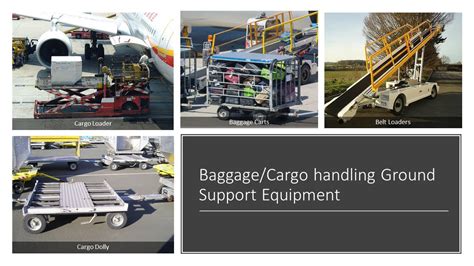
Operational Efficiency in Aircraft Loading
Aircraft cargo holds operate under strict weight and balance parameters. Advance baggage data enables load planners to optimize container placement, fuel burn calculations, and trim settings (the aircraft’s balance along its longitudinal axis).
Unexpected baggage volume can trigger last-minute recalculations or cargo offloading. By tightening forecasting accuracy, prepaid baggage reduces these disruptions, contributing to on-time departures and fuel efficiency.
Even small efficiencies matter at scale. Saving minutes per turnaround compounds across fleet networks, improving aircraft utilization rates.
What Travelers Should Expect Next
Given industry trends, baggage pricing is unlikely to remain static. Airlines continuously experiment with fee tiers, loyalty incentives, and bundled fare families that include luggage allowances.
Future developments may include:
- Dynamic baggage pricing tied to demand
- Subscription-style luggage programs for frequent travelers
- Expanded elite-status baggage perks
- Deeper integration of biometric and self-tagging technologies
Each innovation aims to balance three forces: revenue growth, operational efficiency, and passenger satisfaction.
The Bottom Line on American Airlines’ Bag Fee Increase
American Airlines’ latest checked bag fee adjustment is less about the extra $5 and more about behavioral engineering within modern air travel. By widening the cost gap between digital preparation and airport spontaneity, the airline sharpens operational predictability while reinforcing ancillary revenue streams.
For travelers, the implication is straightforward: planning ahead is no longer just convenient—it is economically advantageous. As airlines continue digitizing the passenger journey, the humble suitcase has become a data point, a revenue lever, and a logistical variable all at once.
Air travel, once ticket-centric, now operates as an ecosystem of micro-transactions where timing, technology, and traveler behavior intersect. The second checked bag, it turns out, carries more than clothes—it carries the evolving economics of aviation.