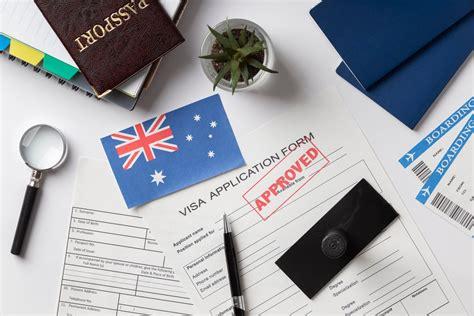
Starting July 1, 2025, Australia will impose the world’s most expensive student visa, with the fee for the Subclass 500 visa soaring to AUD 2,000. This significant hike has ignited global concern regarding the affordability and accessibility of education for international students, as well as Australia’s commitment to inclusive education. The Australian government asserts that this steep increase—a staggering 247 percent rise over five years—is part of a broader strategy aimed at curbing the misuse of student visas, restoring integrity to the migration system, and generating additional public revenue. However, critics argue that this decision risks alienating prospective students, particularly those from low and middle-income countries.
The new fee structure places the Subclass 500 visa at the top of the global expense chart for student visas, raising serious questions about accessibility and fairness. The AUD 2,000 fee, roughly equivalent to USD 1,330, surpasses those of the United States, the United Kingdom, and Canada, making Australia the most expensive destination for international students. For context, the U.S. F-1 visa costs USD 185, the UK student visa is priced at GBP 490 (USD 620), and the Canadian study permit is only CAD 150 (USD 110). This staggering increase effectively raises the financial barrier for students wishing to pursue their academic aspirations in Australia.
The Subclass 500 visa, which enables foreign nationals to study at accredited institutions in Australia for up to five years, has long been considered a gateway for students from diverse regions including Asia, Africa, Europe, and the Americas. However, with the new fee in place, many potential applicants may be forced to reconsider their educational goals. Despite the advantages associated with the Subclass 500 visa, such as permission to work limited hours while studying and access to Australia’s public health insurance system via OSHC (Overseas Student Health Cover), the soaring costs have placed it under renewed scrutiny.
The rationale behind this drastic fee increase is multi-faceted. Government officials argue that the hike serves not merely as a financial adjustment but as a strategic maneuver to strengthen immigration integrity. Key justifications for the increase include:
- Deterring non-genuine students: By increasing the financial barrier, the government aims to reduce fraudulent or non-serious applications, particularly those using student visas as a pathway for migration.
- Recovering public costs: Officials claim that the higher fees will help offset administrative and social costs associated with public services for international students.
- Reinforcing credibility: The government asserts that these changes will enhance the sustainability and credibility of the migration system, aligning with national interests.
This fee increase follows a shocking 125 percent spike in 2024 when the visa fee jumped from AUD 710 to AUD 1,600 in one go. Over the past five years, Australia’s student visa cost has surged by more than 247 percent, outpacing inflation and increases across other visa categories. The trajectory of these fees signals a more aggressive focus on generating revenue from visa applications, contrasting sharply with the inflation-linked adjustments seen in other visa streams.
Five-Year Trend of Australia’s Student Visa Fee Increases
- 2019–2020: AUD 575 → AUD 620 (+7.8%)
- 2020–2021: AUD 620 → AUD 710 (+14.5%)
- 2021–2022: AUD 710 (Stable)
- 2022–2023: AUD 710 → AUD 1,600 (+125%)
- 2023–2025: AUD 1,600 → AUD 2,000 (+25%)
This aggressive approach raises concerns about who will be impacted by the new fee structure. The increased costs will affect all new applicants for the Subclass 500 visa starting July 1, 2025, including students beginning their academic programs in late 2025 or beyond. Notably, this change applies to all nationalities, with no financial concessions offered for students from low-income or developing countries. Consequently, applicants from regions such as South Asia, Africa, Southeast Asia, and Latin America—traditionally vital sources of international students—may face disproportionate challenges in pursuing education in Australia.
For prospective students planning to study in Australia, several strategies can help mitigate the financial strain associated with the new visa fee:
- Apply early: Submitting your visa application before July 1, 2025, can help avoid the increased fee.
- Adjust your budgeting: It is essential to factor in the higher visa cost along with tuition fees, rent, food, and OSHC.
- Look for scholarships: Some Australian universities may offer financial support or fee reimbursements to help offset the visa costs.
- Explore other study destinations: Consider countries like Canada, Germany, and the Netherlands, which may offer lower upfront costs alongside high academic standards.
The policy change has sparked mixed reactions across the board. Critics argue that this fee hike threatens educational equity, potentially pricing out talented, low-income students who could contribute significantly to Australia’s academic and economic landscape. On the other hand, supporters contend that tighter visa controls and higher fees will deter non-serious applicants, ultimately helping to maintain the quality of Australia’s international student system.
University administrators are particularly concerned that this move may diminish Australia’s appeal in an increasingly competitive global education market, especially as countries like Canada and the UK seek to ramp up their international student intake. As Australia navigates its balancing act between reputation and revenue, it faces the challenge of preserving its standing as a leader in accessible and high-quality education while ensuring the sustainability and integrity of its migration system.
As the landscape of international education continues to evolve, prospective students must remain informed about these changes and consider their options carefully. The implications of Australia’s new visa fee structure will undoubtedly shape the future of international education in the country, making it essential for students to stay updated and prepared for the new realities ahead.