Alaska Airlines is preparing to make one of the most significant changes to its loyalty program in recent years, eliminating mileage and elite-status earnings for passengers traveling on its lowest-priced Saver fares. Beginning this summer, travelers purchasing new Saver tickets will no longer receive redeemable miles or elite-qualifying credits, marking a major shift in how the airline rewards budget-conscious customers.
The move reflects a broader transformation across the airline industry, where loyalty programs have become increasingly valuable business assets and carriers are carefully refining which customers receive rewards benefits. For Alaska Airlines, the change represents the end of a long-standing policy that helped distinguish the carrier from many of its competitors.
Alaska Airlines Removes Rewards From Basic Economy Tickets
Alaska Airlines announced that Saver fares booked for travel from August 1 onward will no longer earn Atmos Rewards miles or elite-status credits. The policy change affects the airline’s most restrictive fare category, which is designed to offer lower ticket prices in exchange for fewer benefits and reduced flexibility.
Until now, Alaska Airlines had maintained a relatively generous approach compared with several major U.S. carriers. Passengers flying on eligible Saver fares could still earn rewards, albeit at a reduced rate of 30% of the miles flown. This provided travelers with at least some progress toward future flights and elite status while taking advantage of lower ticket prices.
Customers traveling on flights departing on or before July 31 will continue earning rewards under the existing structure. Additionally, passengers who purchase Saver tickets before June 11 will retain eligibility for the current earning rules even if their travel takes place after the July 31 cutoff date.
After August 1, however, newly purchased Saver fares will no longer contribute toward mileage balances or status qualification, creating a much sharper distinction between Alaska’s fare classes.
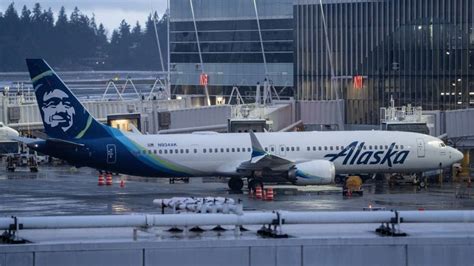
A Major Shift for Alaska’s Traditionally Generous Loyalty Strategy
For years, Alaska Airlines cultivated a reputation for maintaining one of the most customer-friendly frequent flyer programs in North America. Even as competitors introduced increasingly restrictive basic economy products, Alaska continued allowing passengers on lower-cost fares to earn at least partial rewards.
That approach helped the airline stand out in a competitive marketplace where loyalty benefits often influence purchasing decisions. Frequent travelers could still justify choosing a Saver fare because every trip contributed, even modestly, toward future redemptions and elite status.
The elimination of those earnings changes that equation significantly. Travelers focused on maximizing rewards will now need to evaluate whether the price difference between Saver and Main Cabin fares justifies forfeiting mileage accumulation and status progress.
For occasional travelers, the impact may appear limited. For regular Alaska Airlines customers, however, the long-term value of repeatedly choosing Saver fares will be substantially reduced.
Industry-Wide Pressure Is Reshaping Loyalty Programs
Alaska Airlines is far from alone in moving away from rewarding passengers on its lowest fare products. Across the United States, major airlines have steadily tightened loyalty benefits as they seek to encourage customers to purchase higher-value tickets.
Basic economy fares were originally introduced to help network airlines compete with ultra-low-cost carriers without lowering standard economy prices across their entire networks. Over time, those products evolved into heavily restricted fare categories that often include limitations on seat assignments, boarding priority, ticket flexibility, and baggage privileges.
Loyalty benefits have increasingly become another lever airlines use to differentiate fare products. Delta Air Lines eliminated mileage earnings on many basic economy tickets years ago, while American Airlines recently adopted similar restrictions within its own loyalty ecosystem.
The trend reflects a growing belief among airline executives that loyalty rewards should function as premium incentives rather than universal benefits available to all passengers regardless of ticket type.
As a result, travelers seeking rewards increasingly face a choice between paying the absolute lowest fare and maintaining access to valuable loyalty benefits.
Additional Changes Affect Partner Award Bookings
The Saver fare adjustment is only one component of a broader loyalty program restructuring taking place this year.
Beginning July 1, Alaska Airlines will also increase partner award booking fees. The charge applied to award tickets redeemed on partner airlines will rise from $12.50 to $20 per direction.
The airline says the increase is intended to support the long-term economics of the program while preserving partner award availability. Rather than increasing mileage redemption rates or reducing access to partner seats, Alaska appears to be shifting a larger portion of program costs into transaction fees.
Premium Atmos Rewards credit card holders will continue receiving a waiver for these booking charges, reinforcing the airline’s strategy of offering additional benefits to its most engaged customers.
Why Loyalty Programs Have Become More Important Than Ever
Modern airline loyalty programs have evolved far beyond their original role as customer retention tools. Today, they represent powerful revenue-generating businesses that influence everything from credit card partnerships to corporate travel agreements.
As these programs grow in financial importance, airlines are becoming increasingly selective about how rewards are distributed. Every mile issued carries a future cost, and carriers are scrutinizing whether low-fare passengers generate sufficient long-term value to justify those rewards.
Alaska Airlines’ latest changes illustrate this balancing act. The carrier is attempting to preserve the attractiveness of its loyalty program while controlling the expenses associated with earning and redemption activity.
For travelers, however, the practical reality is straightforward. Beginning in August, purchasing the lowest available Alaska Airlines fare will no longer contribute toward future free flights or elite status achievements.
What the Change Means for Travelers
The immediate effect will be felt most strongly by bargain hunters and occasional travelers who routinely select Saver fares. While these passengers will continue benefiting from lower ticket prices, they will no longer accumulate rewards that can offset future travel costs.
More frequent flyers may increasingly view Main Cabin fares as the minimum entry point for meaningful participation in the airline’s loyalty ecosystem.
The decision also sends a broader signal about the future of airline loyalty programs. As competition intensifies and operating costs remain under pressure, even traditionally generous carriers are becoming more selective about which customers receive rewards benefits.
Alaska Airlines built much of its reputation on offering strong value to loyal customers. The removal of mileage earnings from Saver fares demonstrates that, in today’s airline industry, loyalty benefits are increasingly reserved for travelers willing to pay beyond the lowest advertised fare.