Alaska Airlines has officially revamped its Mileage Plan redemption system, introducing a distance-based structure that significantly increases flexibility for frequent flyers. In tandem with this overhaul, the airline has expanded its existing partnership with Porter Airlines, Canada’s third-largest carrier. Together, these developments mark a milestone in loyalty program accessibility, offering more value-packed options across North America and select destinations in the Caribbean and Central America.
This update is particularly meaningful for travelers navigating popular business and leisure routes between the United States and Canada. By allowing Mileage Plan miles to be redeemed on Porter-operated flights, Alaska Airlines broadens the horizon for its members, aligning the program with modern travel patterns and the evolving needs of mileage collectors.

Expanded Partnership With Porter Airlines Redefines Redemption Reach
Previously limited to reciprocal earning opportunities, the Alaska-Porter alliance now opens two-way redemption functionality. While customers could already earn Mileage Plan miles on Porter and VIPorter points on Alaska, the game-changer is the new ability to spend Alaska miles on Porter flights. This brings Porter’s rapidly growing network — including routes from Toronto, Ottawa, and Montréal to the U.S., Caribbean, and Central America — within easy reach for Mileage Plan users.
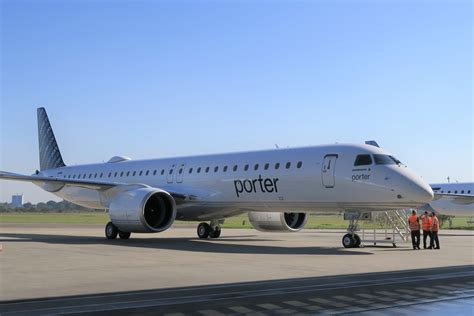
Porter Airlines, based in eastern Canada, has earned a reputation for comfortable, customer-first air travel with generous legroom and upscale cabin service even in economy class. Its expanding route map, fueled by a growing fleet of Embraer E195-E2 jets, includes major hubs such as Toronto Pearson (YYZ), Billy Bishop (YTZ), Ottawa (YOW), and Montréal-Trudeau (YUL). The network now stretches to key U.S. cities like New York, Miami, and Los Angeles, as well as sun-soaked international destinations such as Cancun, the Cayman Islands, and Liberia, Costa Rica.
The Distance-Based Redemption Chart: A Practical Breakdown
Alaska Airlines now calculates Mileage Plan redemption rates for partner airlines using a distance-based award chart, simplifying the redemption process and aligning it with traveler expectations. The award structure for Porter Airlines flights is divided into four bands based on mileage distance:
Under 700 miles
- Economy: 4,500 miles
- Premium Economy: 6,000 miles
- Business: 9,000 miles
701–1,400 miles
Example: Toronto to Miami, Montreal to Fort Myers
- Economy: 7,500 miles
- Premium Economy: 10,000 miles
- Business: 15,000 miles
1,401–2,100 miles
Example: Ottawa to Cancun, Toronto to Grand Cayman
- Economy: 12,500 miles
- Premium Economy: 17,500 miles
- Business: 25,000 miles
2,101–4,000 miles
Example: Montreal to Vancouver, Toronto to Puerto Vallarta
- Economy: 17,500 miles
- Premium Economy: 22,500 miles
- Business: 35,000 miles
This structured layout provides clarity while offering Mileage Plan members the ability to plan and predict their redemptions with confidence.
Value Analysis: Short Flights Win, Long Routes Require Strategy
For savvy travelers, understanding cents-per-mile (CPM) value is crucial. This metric helps evaluate whether a redemption is a smart use of miles or better reserved for another occasion. On this front, shorter flights shine. For instance, booking a Toronto (YTZ) to Newark (EWR) economy seat using 4,500 miles and $67 in taxes saves a traveler approximately $107 off the cash fare. That redemption yields a value of 2.38 CPM, well above the average Alaska mile value of 1.6 cents.
In premium economy, the same route costs 6,000 miles, and cash fares often hit $282. After subtracting fees, this gives a whopping 3.58 CPM, making it one of the best-value redemptions in the new setup.
By contrast, longer and more seasonal routes — like Toronto to Liberia, Costa Rica — can offer subpar returns. In one scenario, a winter flight priced at $275 can be redeemed using 17,500 miles plus $88 in taxes. This results in a value of 0.6 CPM, far below average, unless ticket prices spike closer to departure during peak seasons.
Strategic Planning Now Crucial for Mileage Optimizers
Not all redemption opportunities are created equal. Alaska Mileage Plan members must now evaluate each route individually by calculating the miles required versus cash fare. The best values emerge on high-cost, short-distance flights, particularly in premium economy, where the dollar cost far outweighs the relatively low miles needed.
To get the most from the Mileage Plan:
- Check dynamic pricing trends for Porter-operated flights.
- Book short-haul business travel where fares are high but distances are low.
- Avoid redemptions during peak travel seasons unless fares spike drastically.
- Compare with other Alaska partners to see if a better CPM can be found.
Why This Move Matters in the Competitive Loyalty Landscape
Frequent flyer programs are evolving rapidly, with travelers demanding greater utility and transparency. Alaska Airlines’ decision to roll out a region-based distance chart and expand real functionality through Porter redemptions speaks directly to those demands. This shift mirrors the broader industry trend of de-emphasizing elite tiers in favor of more accessible, democratized rewards.
Unlike dynamic pricing models that often obscure the best redemption opportunities, Alaska’s structured, distance-based format allows members to forecast their travel costs in miles and make smarter planning decisions. Coupled with Porter’s boutique appeal and rich route map, Mileage Plan now competes more strongly with rival programs from Delta, Air Canada, and United.
The North American Traveler Stands to Benefit Most
The biggest winners here are North American flyers, especially those in eastern Canada and the northeastern U.S., who can now access a wealth of short-haul, high-value routes. With frequent service between key business markets and vacation spots, this move increases the practical use of Alaska miles tenfold.
It’s also a strategic move to attract new members who may be loyal to other programs but are intrigued by Porter’s growing U.S. presence and Alaska’s reputable customer experience. Travelers who often split itineraries between the U.S. and Canada now have an incentive to consolidate their mileage activity under one flexible, high-value program.

Final Thoughts: A Smart, Transparent Upgrade for Mileage Enthusiasts
Alaska Airlines’ enhancement of its Mileage Plan redemption model — coupled with Porter Airlines integration — delivers a meaningful boost in flexibility, transparency, and traveler-centric value. It equips frequent flyers with new tools to evaluate mile usage intelligently and seize opportunities where the return is strongest.
While long-haul redemptions may not always provide optimal value, the power of the new system lies in its predictability and widened access. For those who analyze before they redeem, this partnership stands as a new benchmark in cross-border loyalty strategy. The emphasis now shifts toward redemption efficiency, placing true value into the hands of Alaska’s most loyal customers.
The journey is no longer just about earning miles. It’s about spending them wisely — and this new structure makes that decision easier than ever.