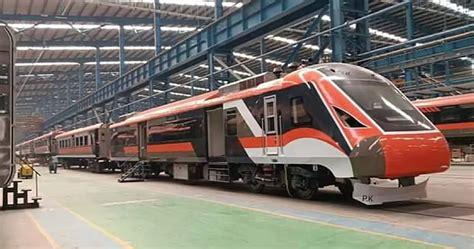
In a significant leap towards enhancing India’s transportation infrastructure, the Indian Railways has announced a transformative plan to manufacture 100 state-of-the-art Mainline Electric Multiple Unit (MEMU) trains and an additional 50 cutting-edge Namo Bharat trains. This bold initiative aims to provide substantial relief to travelers frequently commuting over short to medium distances and further solidify railways as the backbone of India’s intercity connectivity.
Reinventing Short-Distance Rail Travel
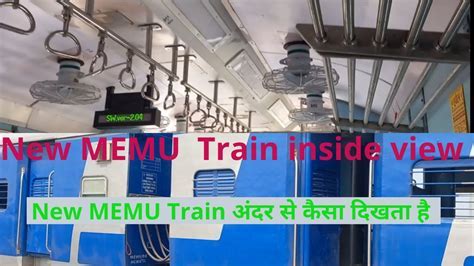
Short-distance rail journeys have long been a challenge for millions of daily commuters in India. Overcrowding, infrequent trains, and aging infrastructure have contributed to the frustration of countless passengers. Recognizing these issues, the government has now prioritized the enhancement of the rail network with modern MEMU trains designed specifically for short-haul travel. The new fleet of MEMU trains, comprising both 16 and 20-coach configurations, marks a significant upgrade from the existing smaller units with just 8 to 12 coaches. With expanded capacity, improved amenities, and better frequency, these MEMU trains are expected to redefine commuter experiences, significantly reducing congestion and travel time.
New Manufacturing Hub at Kazipet, Telangana
To ensure seamless and rapid production, a state-of-the-art facility is being established in Kazipet, Telangana. This new manufacturing hub will not only bolster local employment but will also accelerate production timelines, allowing quicker deployment of these modern trains. The choice of Kazipet underscores the strategic geographical advantage, facilitating easy distribution across the country. The establishment of this hub aligns with the Indian government’s push for ‘Make in India,’ promoting domestic manufacturing and innovation.
Introducing the Innovative Namo Bharat Trains
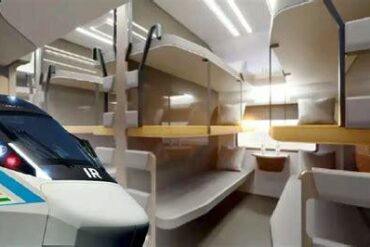
Complementing the MEMU trains, the Railways Ministry is set to roll out 50 advanced Namo Bharat trains. These air-conditioned trains are specifically engineered to cater to shorter intercity routes. Following the successful launch of the initial Namo Bharat train in Gujarat last year, the government is confident that expanding this fleet will transform regional connectivity and passenger comfort. The Namo Bharat trains, renowned for their superior comfort and swift operations, will play a pivotal role in reshaping perceptions of regional rail travel, attracting more travelers to choose trains over other modes of transport.
Strategic Enhancements in Cargo Transportation
Parallel to passenger travel upgrades, the Railways Ministry inaugurated India’s largest automobile loading facility at Maruti Suzuki’s Manesar plant in Haryana. Known as the GatiShakti Cargo Terminal, this facility is designed to revolutionize logistics by shifting automobile transportation from roads to railways. This strategic shift will not only streamline logistics but will significantly contribute to reducing carbon emissions and enhancing sustainability. With a sprawling area of 45 acres, the Manesar terminal boasts a remarkable cargo handling capacity, facilitating the transportation of up to 450,000 cars annually. This development aligns seamlessly with the Prime Minister’s vision to strengthen multi-modal logistics, boosting efficiency and reducing environmental impact.
Advanced Charting for Enhanced Passenger Convenience
Addressing another critical aspect of rail travel, Indian Railways is piloting a pioneering initiative in the Bikaner division of North Western Railway. Traditionally, train passenger charts have been released merely two to three hours prior to departure, causing significant uncertainty for travelers. However, the pilot project aims to finalize passenger allocation charts 24 hours in advance. This advance charting initiative is already showing promising results, greatly alleviating passenger anxiety and enabling better travel planning. If successful, it will be expanded across other divisions, marking a significant step forward in improving customer satisfaction and journey planning.
Maruti Suzuki and Railways Collaboration: A Milestone in Automobile Logistics
The collaboration between Indian Railways and Maruti Suzuki marks a milestone in logistics innovation. In the fiscal year 2024-25, Maruti Suzuki transported a remarkable 518,000 vehicles through the railways, contributing significantly to the record-breaking milestone of over one million cars transported across India’s rail network. Currently, railways transport around 20% of all cars manufactured in India, a substantial increase reflecting the growing trust and reliability of rail logistics.
Boosting Haryana’s Connectivity and Export Potential
The strategic initiatives announced will profoundly benefit Haryana by significantly boosting connectivity to major ports along India’s western coastline. This enhanced connectivity will empower local industries, ease logistical bottlenecks, and foster economic growth through streamlined access to international export networks. The newly established GatiShakti Cargo Terminal at Manesar is poised to become a critical logistical hub, reinforcing Haryana’s position as a significant industrial and logistical center within India.
A Comprehensive Vision for India’s Railways
These recent announcements and strategic developments underscore a comprehensive vision to modernize India’s railways, making them more passenger-friendly, environmentally sustainable, and economically viable. The combination of expanded MEMU services, advanced Namo Bharat trains, strategic cargo logistics improvements, and innovative passenger services signifies a transformative era for Indian Railways. By prioritizing passenger convenience, sustainability, and economic efficiency, these initiatives promise to redefine India’s rail landscape, substantially enhancing the quality of life for millions of daily travelers and significantly boosting economic growth through improved logistical connectivity.