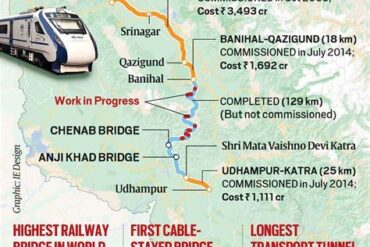
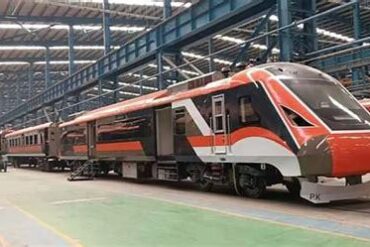
The Vande Bharat Express, inaugurated on June 7, has dramatically transformed the travel landscape between Katra and Srinagar, marking a significant evolution in how individuals explore the breathtaking beauty of Jammu and Kashmir. With its swift, reliable service, the train has become a preferred choice for travelers, evidenced by an unprecedented surge in bookings that has left many passengers on waiting lists. This newfound popularity underscores a pivotal shift in transportation preferences, as the Vande Bharat service captures the public’s imagination and reshapes travel habits across the region.
Since its launch, the Vande Bharat Express has seen full bookings consistently through to July 25, signaling a remarkable demand that few anticipated. The data reveals that this high-speed train has not only attracted leisure travelers but also business commuters, significantly boosting the inflow of tourists into the stunning Kashmir Valley. The appeal of the train lies in its efficiency, affordability, and the mesmerizing views it offers along its scenic route. This transformation suggests that the Vande Bharat service is redefining travel patterns, especially for those seeking a comfortable yet economical journey into one of India’s most picturesque locales.
As tourism flourishes, Kashmir has welcomed over 3.74 lakh visitors this year alone, surpassing previous figures. A notable trend emerges: a significant number of these travelers are opting for the train instead of traditional modes like flights or buses. The Vande Bharat Express stands out not only for its speed but also for its affordable ticket pricing, which provides an attractive alternative amidst rising airfares and declining flight availability.
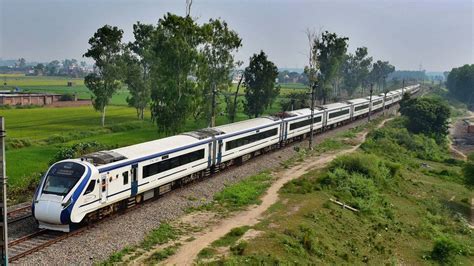
Air travel to Srinagar has experienced a sharp decline, particularly following the Pahalgam attack on April 22, which led to a drastic reduction in flights from an average of 104 daily to between 48 and 52. This drop has prompted many to reconsider their travel plans, with the Vande Bharat becoming a favored option. As a result, airfares have fallen significantly; what once averaged around ₹12,000 has now plummeted to approximately ₹5,000–₹6,000. Moreover, a staggering 50% increase in flight cancellations indicates a growing trust in rail travel, particularly under current circumstances where safety and reliability are paramount.
The affordability of the Vande Bharat service plays a crucial role in its success. Economy class fares range from ₹700 to ₹800, while executive class tickets are priced between ₹1,300 and ₹1,400. The train operates two daily services: the first departs Katra at 8:10 AM, arriving in Srinagar by 11:55 AM, and the second leaves at 2:55 PM, reaching its destination by 5:35 PM. On the return journey, trains depart Srinagar at 8:00 AM, arriving back in Katra by 2:00 PM. To date, approximately 52,000 passengers have boarded the Vande Bharat, with nearly 30,000 of them being tourists. Consequently, hotels in Srinagar and surrounding areas are experiencing full occupancy, marking a positive trend for the hospitality sector in the region.
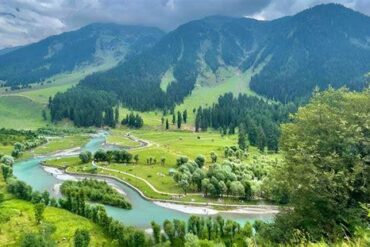
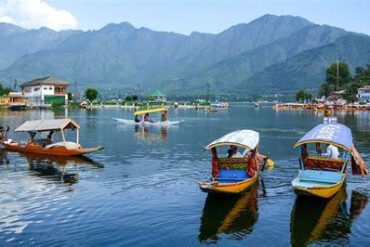
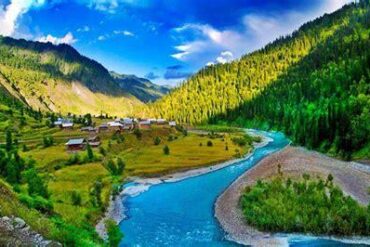
The economic benefits of the Vande Bharat service extend beyond mere passenger transport. Travelers are captivated by the breathtaking views throughout the journey, adding a leisure aspect to what is primarily a transit service. This influx of visitors has had a ripple effect on the local economy, fostering growth in various sectors. Business owners report improved supply chain efficiency, as goods can be transported more quickly and predictably via rail. Representatives from the Kashmir Chamber of Commerce and Industry have noted a decrease in transportation costs, allowing businesses to deliver goods more efficiently and at reduced prices. Additionally, the increased foot traffic benefits taxi drivers, tour guides, and local vendors, signaling a broader revival of the regional economy. It appears that the rail line has become a lifeline for many whose livelihoods depend on consistent visitor traffic.
The developments witnessed along the Katra-Srinagar route may serve as a model for future travel infrastructure initiatives worldwide. The overwhelming response to the Vande Bharat Express suggests that modern, fast, and reliable rail systems can effectively compete with air travel, especially in regions where security concerns, high costs, or environmental factors make flying less attractive. Such services not only alleviate pressure on air travel networks but also promote sustainable tourism, stimulate local economies, and offer a safer, more scenic, and cost-effective way to travel.
Key insights derived from this scenario underscore the transformative impact of high-speed rail, such as the Vande Bharat, as a formidable competitor to air travel, particularly for short to medium-distance routes. The dramatic rise in tourism in Kashmir reflects the ease of access the train provides, enabling more individuals to explore the region’s natural beauty effortlessly. The reduction in airfares and the increase in flight cancellations indicate a growing confidence in train travel, particularly following regional conflicts that have made air travel less appealing. Local businesses, including hotels, taxis, and retailers, are witnessing a resurgence due to the steady flow of visitors, contributing to a positive economic outlook.
In essence, what began as a transportation upgrade has quickly evolved into a multi-dimensional success story—driving tourism, enhancing commerce, and revitalizing local economies across Kashmir. The Vande Bharat service is more than just a train; it symbolizes renewed connectivity and regional prosperity, highlighting the potential of rail infrastructure to transform communities and boost economic growth in beautiful, culturally rich areas. As the journey continues, the impact of the Vande Bharat Express will likely resonate far beyond the tracks, paving the way for a brighter, more interconnected future for Jammu and Kashmir.